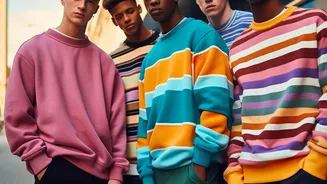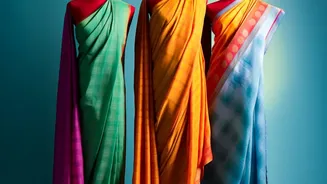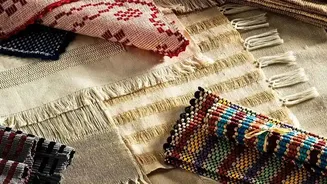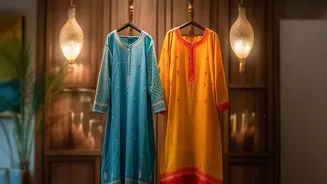


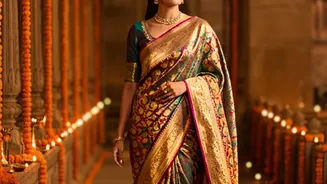
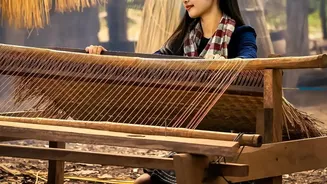
Scroll through any young Indian's social media feed, and you'll see it tucked between global trends: a flash of vibrant Ikat, the subtle grace of Bengal cotton, or the intricate block print of Ajrakh. This is more than a fleeting fashion moment.
From Heirlooms to Everyday Wear
For decades,
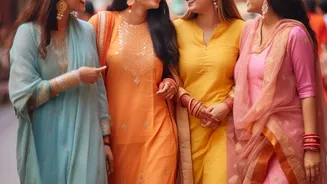
magnificent regional textiles were often reserved for special occasions—weddings, festivals, and family functions. They were heirlooms, brought out of storage to signify tradition. Today, that perception is rapidly changing, driven by a new generation of consumers. Millennials and Gen Z are integrating these heritage fabrics into their daily lives, pairing handloom kurtas with jeans, draping Bandhani scarves over workwear, and choosing Khadi shirts for casual outings. This shift marks a significant departure from viewing traditional textiles as purely ceremonial to embracing them as versatile, everyday expressions of personal style. The handloom is no longer just for celebrations; it's for life.
A Wardrobe Woven with Identity
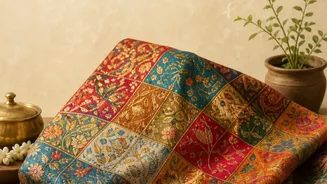
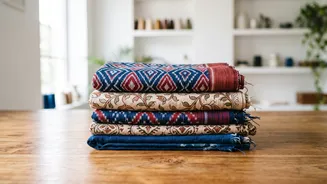
So, what’s behind this surge? The answer, in large part, is cultural pride. For many young Indians, choosing to wear a piece of handwoven fabric is a conscious decision to connect with their roots. In a world dominated by homogenized fast fashion, regional textiles offer a tangible link to a specific place, a unique history, and a community of artisans. Each pattern and weave tells a story, whether it's the geometric precision of Pochampally Ikat from Telangana or the earthy, natural-dyed motifs of Kalamkari from Andhra Pradesh. Wearing these fabrics becomes a declaration of identity, a quiet but powerful statement that says, 'I know where I come from, and I am proud of it'. It's a way of reclaiming a narrative that is authentically and unapologetically Indian.
The Rise of the Conscious Closet
The movement towards regional textiles is also deeply intertwined with the global conversation around sustainability. Younger consumers are increasingly aware of the environmental and ethical toll of fast fashion. Handloom production, by its very nature, is a slower, more sustainable process. It uses minimal electricity, supports local economies, and relies on skills passed down through generations. By choosing a handwoven garment, consumers are not just buying a piece of clothing; they are investing in a more ethical supply chain. This appeals to a generation that prioritizes purpose and transparency, seeking products that align with their values. The story behind the garment—who made it, where the material came from, and what it represents—has become as important as the aesthetic itself.
Designers and Instagram as Catalysts
This revival isn't happening in a vacuum. A new wave of contemporary Indian designers has been instrumental in bridging the gap between tradition and modernity. They are experimenting with classic weaves, creating innovative silhouettes like bomber jackets from Banarasi silk or tailored trousers from Jamdani fabric. These designers are making textiles like Ajrakh and Ikat feel fresh, relevant, and accessible to a global audience. Simultaneously, social media platforms like Instagram have democratized the market. Artisans and small, direct-to-consumer brands can now showcase their work, tell their stories, and sell directly to customers across the country, bypassing traditional gatekeepers. This digital exposure has created unprecedented visibility and has been a game-changer for countless weaving communities.