




The Science of Small but Mighty
Baking, at its heart, is a delicious form of chemistry. Ingredients like baking soda, baking powder, and yeast are known as leavening agents; their job is to create gas bubbles that make batters and doughs rise. This happens through chemical or biological
reactions. For example, baking soda (a base) reacts with an acid in your recipe—like buttermilk or lemon juice—to produce carbon dioxide gas. These reactions require exact proportions. Too little leavener and your cake is dense; too much and the reaction is thrown off, often resulting in a bitter or soapy taste and a coarse, unpleasant texture. The same principle applies to potent spices and extracts, where concentrated flavor compounds need to be used with a delicate hand.
The Leavening Agents: Baking Soda and Powder
Leaveners are the primary culprits in many baking disasters. They are responsible for giving baked goods their light, airy structure. Using too much baking powder can cause a cake to rise too quickly in the oven and then collapse on itself, while using too little results in a heavy, dense product. An excess of baking soda not only creates a soapy flavor but can also be genuinely harmful if ingested in large quantities, causing digestive issues due to its high sodium content. Without these agents, many of our favorite treats would be flat, tough, and crispy. Their power demands precision, ensuring the chemical reaction unfolds exactly as intended for that perfect, fluffy result.
The Flavor Powerhouses: Spices and Extracts
While an extra dash of flour might not ruin a recipe, a heavy hand with certain spices certainly can. Think of potent ground spices like cloves, nutmeg, or cayenne pepper. A small amount adds warmth, depth, and complexity. A little too much, however, can completely overpower the dish, leaving a bitter, medicinal, or unpleasantly fiery taste. The same is true for extracts like vanilla, almond, or peppermint. These are highly concentrated flavors, and just a drop or two too many can take a dessert from delightful to artificial-tasting. The goal is balance, where these powerful flavors complement the other ingredients rather than dominate them.
The Most Basic, Most Powerful: Salt
Salt is one of the most fundamental and powerful ingredients in any kitchen. Its primary role isn't just to make things taste salty, but to enhance and brighten all the other flavors in a dish. It can suppress bitterness, enhance sweetness, and make aromas more pronounced. However, the line between perfectly seasoned and inedibly salty is incredibly fine. Unlike other ingredients, you can't easily fix a dish that has been over-salted. This makes careful measurement essential from the start. A sprinkle too much can ruin an entire pot of soup or a batch of dough. Its ability to transform a dish from bland to brilliant makes it a prime example of an ingredient to be measured with care.
Tools and Techniques for Precision
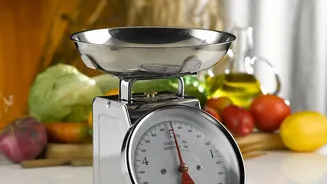
So how do you ensure you're measuring these small amounts correctly? First, use the right tools. A set of proper measuring spoons—for fractions like 1/8, 1/4, and 1/2 teaspoon—is non-negotiable. Do not use your everyday cutlery, as spoon sizes are not standardized. For ultimate accuracy, especially in baking, a digital kitchen scale is the best investment. Measuring by weight (grams) is far more precise than measuring by volume (teaspoons or cups), as it eliminates variables like how tightly an ingredient is packed. When using spoons for dry ingredients, use the "level scoop" method: scoop the ingredient, then sweep the excess off with a straight edge. This consistency is the key to repeatable success in the kitchen.