






The Polluters Inside Your Home
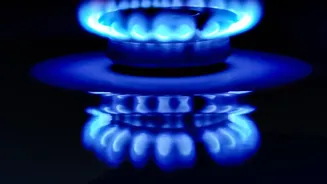
The main culprits are often the very things we rely on for warmth and comfort: gas stoves and heating units. Gas stoves release nitrogen dioxide (NO2), carbon monoxide (CO), and fine particulate matter known as PM2.5 during combustion. These are tiny
particles, much smaller than the width of a human hair, that can be inhaled deeply into the lungs. Similarly, certain heating systems, especially older or improperly maintained furnaces and unvented space heaters, can also be sources of these same pollutants. Even the simple act of cooking, such as frying or broiling, generates smoke and grease particles that become part of the indoor air mixture. While these emissions happen year-round, they become a more significant problem in the winter when our homes are sealed tight.
The Sealed Box Effect
Think of your home in winter as a sealed box. To keep the cold out, we close windows, block drafts, and rely on insulation. While excellent for energy efficiency, this lack of natural ventilation means pollutants have nowhere to go. In summer, open windows allow fresh air to circulate, diluting and dispersing indoor contaminants. In winter, this air exchange is drastically reduced. As a result, the concentration of pollutants like NO2 and PM2.5 builds up over time. Studies have shown that indoor air can be two to five times more polluted than the air outside, a problem that intensifies during the winter months when ventilation is at a minimum. This creates a 'winter indoor air trap', where the same stale, polluted air is recirculated throughout your living space.
Health Risks of Invisible Particles
So, what does this buildup of particulate matter mean for your health? The pollutants are microscopic, but their impact can be significant. Fine particles (PM2.5) are small enough to penetrate deep into the lungs and can even enter the bloodstream. Exposure can cause short-term effects like eye, nose, and throat irritation, coughing, and shortness of breath. For vulnerable individuals, including children, the elderly, and people with existing respiratory conditions like asthma or COPD, the effects can be more severe, potentially triggering asthma attacks and worsening symptoms. Long-term exposure to nitrogen dioxide and PM2.5 has been linked to the development of respiratory illnesses and an increased risk of cardiovascular problems.
Simple Steps for Cleaner Winter Air
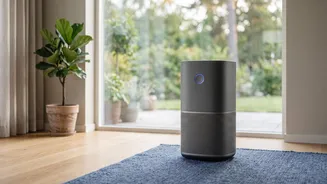
Creating a healthier home doesn't mean you have to freeze. The key is to balance warmth with ventilation. The most effective strategy is source control and improved airflow. When cooking with a gas stove, always use your range hood fan, ensuring it vents to the outside, not just recirculates air. If you don't have an effective hood, even cracking a nearby window can help. Running exhaust fans in bathrooms during and after showers also helps remove moisture and pollutants. Consider investing in a high-quality portable air purifier with a HEPA filter, which is designed to capture fine airborne particles like PM2.5. Finally, even opening windows for just 15 minutes a day can significantly improve air exchange and reduce the concentration of trapped pollutants.