



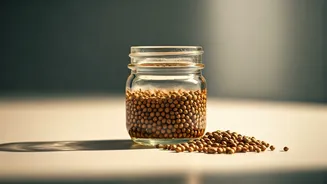


Understanding the Afternoon Bloat
You’ve had a satisfying lunch, but an hour or two later, your stomach feels tight, uncomfortable, and noisy. This post-meal bloating is incredibly common. It often happens when the digestive system works to break down food, producing gas as a byproduct.
Certain foods, like beans, lentils, or even rich, heavy curries, can exacerbate this process. Eating too quickly and swallowing air can also contribute. While usually harmless, this afternoon discomfort can be distracting and unpleasant, derailing your productivity and mood for the rest of the day.
Cumin (Jeera): The Digestive Powerhouse
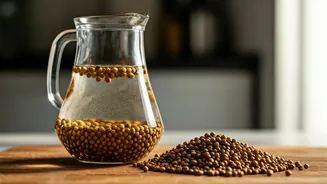
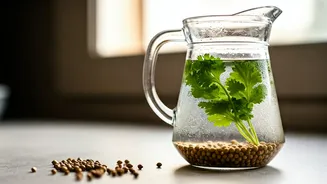
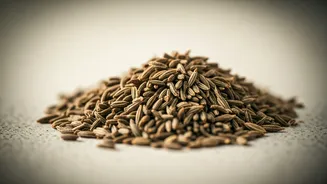
Cumin, or jeera, is more than just a staple spice in Indian cooking; it's a celebrated digestive aid in Ayurveda and traditional home remedies. The secret lies in its natural compounds, which stimulate the secretion of digestive enzymes. These enzymes help your body break down fats, sugars, and starches more efficiently, leading to smoother digestion and less fermentation in the gut—the primary cause of gas. Cumin is known for its carminative properties, meaning it helps prevent the formation of gas in the gastrointestinal tract and facilitates its expulsion, providing relief from that 'stuck' feeling.
Fennel (Saunf): The Soothing Finisher
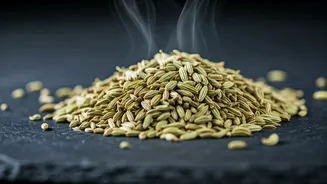
There’s a reason bowls of saunf are offered at the end of meals in Indian restaurants. Fennel seeds are renowned for their ability to relax the smooth muscles of the gastrointestinal system. This muscle-relaxing effect helps ease the uncomfortable cramping and spasms associated with indigestion and gas. The key compound, anethole, is believed to have anti-inflammatory and antispasmodic properties. By calming the digestive tract, fennel allows trapped gas to pass more easily, reducing the pressure and bloating that cause discomfort. It also freshens the breath, which is a pleasant bonus.
How to Make Your Cumin-Fennel Infusion
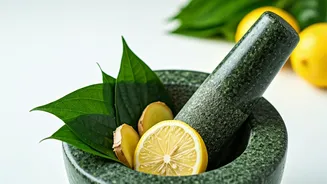
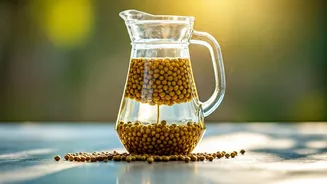
Preparing this soothing drink is wonderfully simple. It requires just a few minutes and ingredients you likely already have. Ingredients: - 1 teaspoon whole cumin seeds (jeera) - 1 teaspoon whole fennel seeds (saunf) - 2 cups (approx. 500ml) of water Instructions: 1. Combine: In a small saucepan, add the cumin seeds, fennel seeds, and water. 2. Boil: Bring the water to a rolling boil over medium-high heat. 3. Simmer: Once boiling, reduce the heat to low and let the mixture simmer gently for 5-7 minutes. This allows the water to become fully infused with the beneficial oils and compounds from the seeds. The water will turn a pale, golden-brown colour. 4. Strain: Turn off the heat and strain the infusion through a fine-mesh sieve or tea strainer into a mug. For added benefits, you can crush the seeds slightly with a mortar and pestle before boiling to release more of their essential oils. A small slice of fresh ginger can also be added for extra digestive power.
When and How to Enjoy It
The best time to drink this infusion is about 30 to 60 minutes after your lunch, or whenever you start to feel the first signs of bloating or heaviness. Sipping it warm helps to further relax the digestive muscles. You can prepare a batch and keep it in a flask to drink throughout the afternoon. While it's a powerful aid, it's not a magic cure-all. For best results, combine this remedy with mindful eating practices: chew your food thoroughly, eat at a moderate pace, and pay attention to which foods might be triggering your discomfort. Think of this infusion as a supportive daily ritual for a happier gut, rather than just an emergency fix.