




The Problem with Piping Hot Showers
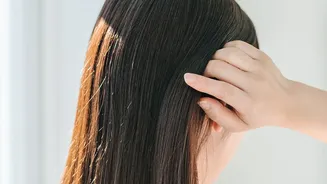
A long, hot shower might feel like the perfect way to warm up on a cold day, but it's a major culprit behind winter hair woes. Hot water strips your scalp of its natural oils, or sebum. This oily layer is a natural conditioner and protector, shielding
your hair and scalp from the elements. When it's washed away, your scalp can become dry, tight, and itchy, while your hair loses its moisture, leading to frizz, dullness, and increased risk of breakage. This problem is compounded by the dry winter air from indoor heating, which is already leaching moisture from your strands.
Find a Healthier Water Temperature
You don't need to brave icy-cold showers to protect your hair. The solution is to find a happy medium with lukewarm water. It’s warm enough to be comfortable and effectively cleanse your hair and scalp without causing the stripping effects of high heat. For an extra boost of shine and strength, try finishing your hair wash with a quick, cool rinse. This simple step helps to seal the hair's outer layer, known as the cuticle, which locks in moisture, reduces frizz, and makes your hair appear smoother and shinier.
Why Heat Styling Is Harsher in Winter
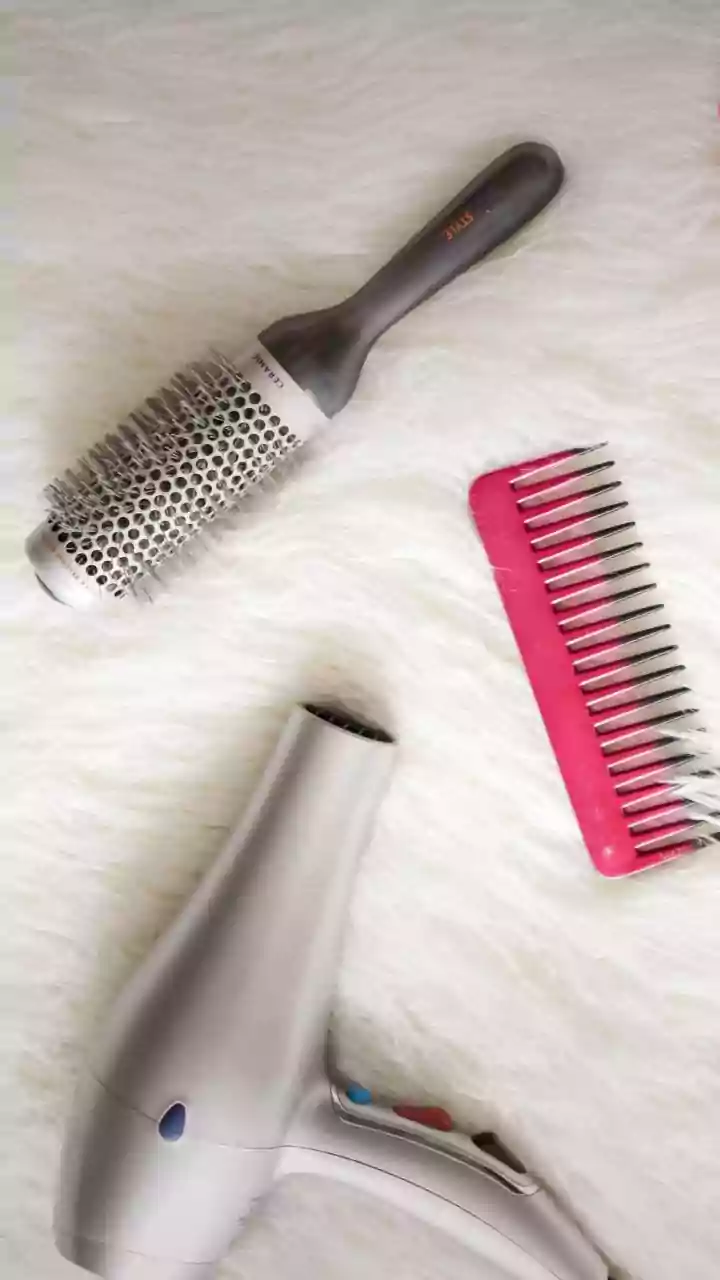
Just as hot water is an issue, so are hot styling tools like flat irons, curling wands, and even blow dryers. Winter hair is already in a fragile, dehydrated state. Applying high heat—often over 200°C—directly to these vulnerable strands vaporises the remaining moisture, degrades the hair's structural proteins (keratin), and lifts the cuticle. This leads to a loss of elasticity, making hair brittle and far more susceptible to split ends and breakage. The daily cycle of going from cold, dry outdoor air to styling with intense heat creates a perfect storm for damage.
Embrace Heat-Free Styling Alternatives
Giving your hair a break from heat doesn't mean sacrificing style. Winter is the perfect time to explore heatless techniques that can create beautiful waves and curls without the damage. Simple methods like braiding damp hair before bed can produce effortless beachy waves by morning. For more defined curls, you can try using foam rollers, flexi-rods, or even a simple robe tie or socks to wrap your hair around overnight. These methods work best on clean, damp hair prepped with a curl cream or serum to help hold the style and fight frizz. When you do need to use heat, always apply a quality heat protectant spray and use your tools on the lowest effective temperature setting.
Build a Complete Winter Defence
Reducing heat is a huge step, but a holistic approach yields the best results. To combat winter dryness, wash your hair less frequently—perhaps two to three times a week—to preserve natural oils. Incorporate a weekly deep conditioning mask or treatment to replenish lost moisture. Protect your hair from harsh winds and cold by wearing a hat, preferably one lined with silk or satin to minimise friction and static. Finally, remember that hair health starts from within; staying hydrated and maintaining a balanced diet provides the essential nutrients your hair needs to stay strong all season long.