



The Instagram Detox Myth
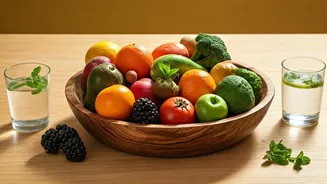
The word ‘detox’ has been hijacked. On platforms like Instagram, it’s marketed as a quick fix: a vibrant, photogenic juice cleanse or a pricey kit promising to ‘flush toxins’ and reset your body in a matter of days. This commercialised version of detoxification
suggests our bodies are clogged systems that need aggressive, external cleaning. Not only is this idea scientifically questionable, but it also creates a cycle of guilt and extreme behaviour. It positions wellness as something you buy, rather than a state you cultivate through daily habits. The reality is, our bodies are already equipped with a highly efficient, full-time detoxification team: the liver and kidneys. They don't need a three-day liquid diet; they need consistent, proper nourishment to do their jobs effectively.
Supporting, Not ‘Flushing’
True detoxification is not about a dramatic ‘flush.’ It’s about supporting your body's natural processes. Your liver is the primary filtration system, converting harmful substances into waste products. Your kidneys then work to excrete these from your body. The digestive system, particularly the intestines, plays a crucial role in eliminating solid waste. These organs don't need a vacation powered by celery juice; they need a steady supply of vitamins, minerals, antioxidants, and, crucially, fibre. Antioxidants help protect the liver from damage, while fibre is essential for regular bowel movements, ensuring waste doesn’t linger in your system. This supportive approach is less glamorous and doesn't sell expensive packages, but it’s the foundation of long-term health. It’s a philosophy deeply embedded in traditional Indian food wisdom.
The Humble Heroes: India’s Root Vegetables
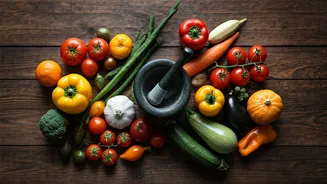
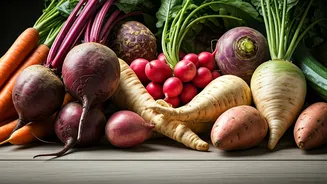
This is where our familiar, everyday root vegetables come in. Grown underground, these nutritional powerhouses absorb a wealth of minerals and nutrients from the soil. They are nature’s unglamorous, inexpensive, and incredibly effective wellness toolkit. For generations, Indian households have used vegetables like beetroot, carrots, radishes, and sweet potatoes not as trendy ‘superfoods,’ but as staples of a balanced diet. They are inherently aligned with the principle of supporting the body, not shocking it. They are rich in fibre, packed with antioxidants, and versatile enough to be cooked into comforting, nourishing meals that sustain you. This is the ‘India’ approach to wellness: grounded, accessible, and sustainable.
Meet Your Underground Allies
Let’s re-introduce some of the stars you can find at any local sabzi market.
Beetroot (Chukandar): This deep red vegetable is famous for a reason. It contains compounds called betalains, which have potent antioxidant and anti-inflammatory properties that support liver function. It’s also a good source of fibre, promoting digestive health.
Carrot (Gajar): More than just good for your eyes, carrots are loaded with beta-carotene, an antioxidant that the body converts into Vitamin A. This vitamin is crucial for maintaining a healthy immune system. Their high fibre content also aids digestion.
Radish (Mooli): Often overlooked, radishes are fantastic for the digestive system. They can help regulate bile flow, which is important for fat digestion and liver health. Their high water and fibre content also helps in keeping you regular.
Sweet Potato (Shakarkandi): A fantastic source of complex carbohydrates and fibre, sweet potatoes provide sustained energy without spiking blood sugar. They are packed with antioxidants, particularly beta-carotene, making them a wonderfully nourishing choice.
Bringing It to Your Plate
The best part is that you don't need a fancy juicer or a complicated meal plan. Incorporating these vegetables into your diet is simple and delicious. Grate carrots and beetroot into a vibrant salad or a simple raita. Add diced turnips and sweet potatoes to your everyday sabzi or dal for extra nutrients and texture. Blend them into a warm, comforting soup on a cool evening. Even the classic mooli paratha is a celebration of this principle. By cooking them in familiar, traditional ways, you make their nutrients bioavailable and create meals that are both satisfying and supportive of your body’s health. It’s a gentle, daily practice, not a short-term punishment.