


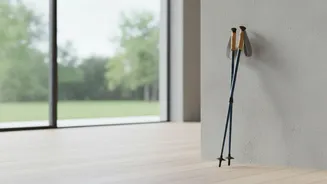
More Than Just a Walk With Poles
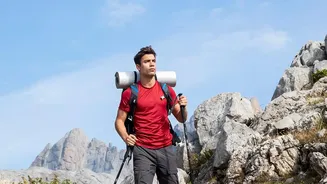
Originally developed in Finland as a summer training method for cross-country skiers, Nordic walking is far more than just walking with poles. Unlike hiking or trekking, where poles are primarily used for balance and support, Nordic walking uses specially
designed poles to propel you forward. This active use of the poles turns a lower-body exercise into a comprehensive workout that engages up to 90% of your body's muscles, compared to just 50% with regular walking. This increased muscle engagement leads to a higher heart rate and significantly more calories burned, with some estimates suggesting an increase of 18% to 67%. It’s this efficiency that is catching the attention of fitness enthusiasts and those simply looking to get more from their daily constitutional.
Why It's Gaining Popularity
The shift towards Nordic walking for everyday fitness is driven by its accessibility and impressive health benefits. It's a low-impact activity, meaning it's gentle on the joints. By distributing weight through the poles, it reduces stress on the knees, hips, and ankles, making it an excellent choice for older adults, individuals with joint pain, or those recovering from injuries. Beyond being a cardiovascular workout, it improves upper body strength, core stability, balance, and posture. This combination of strength, cardio, and balance in one activity makes it a sustainable and effective exercise for a wide range of people, from fitness beginners to seasoned walkers looking for a new challenge.
The Core Technique: It's All in the Push
Unlocking the full benefits of Nordic walking depends entirely on proper technique. It’s not about just planting the poles; it’s about pushing off with them. The fundamental movement follows your natural walking rhythm: as your left leg steps forward, your right arm swings forward, and vice versa. Keep your posture upright with your shoulders relaxed and gaze forward. The key is to plant the pole between your front and back foot at a backward angle. As you move past the pole, push it firmly backwards, extending your arm fully behind you. Your hand should open at the end of the push to allow the pole to swing forward naturally, held in place by the specialized glove-like strap. This powerful push-off is what engages your upper body and propels you forward.
Common Mistakes to Avoid
Many beginners make a few common errors that reduce the effectiveness of the workout. One major mistake is planting the poles too far in front of the body, which acts as a brake instead of a propeller and can strain your joints. Another is keeping the arms bent and using the poles like walking sticks without a powerful push-off. This fails to engage the upper body muscles. It's also common for newcomers to grip the handles too tightly throughout the entire motion, which can lead to wrist and forearm fatigue. The correct technique involves relaxing the hand as the arm swings back. Finally, using poles that are the wrong length—either too short, causing you to hunch, or too long, straining your shoulders—is a frequent issue.
Getting the Right Gear
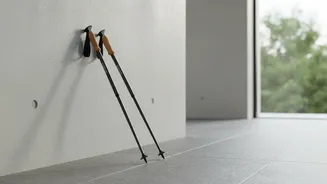
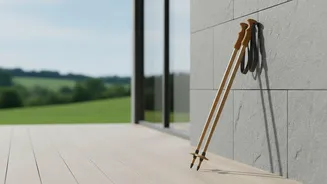
While the technique is crucial, the right equipment is also important. Nordic walking poles are different from trekking poles; they are lighter and feature a specific strap system, often a glove-like attachment, that is essential for the push-off technique. When choosing poles, length is key. A common guideline is to multiply your height in centimetres by 0.68, or to select a pole length that allows your elbow to be at a 90-degree angle when you stand holding the pole vertically. Adjustable poles can be a great option for beginners or if multiple people will be using them. Look for poles with good rubber tips for walking on pavement, as they provide better traction and shock absorption.