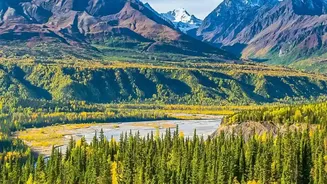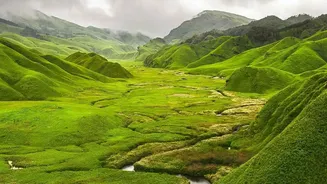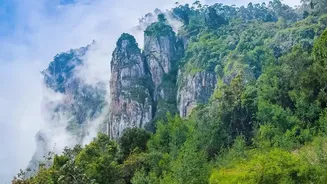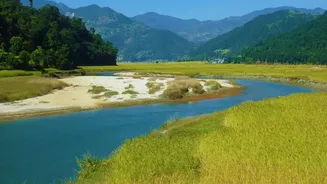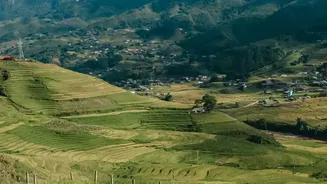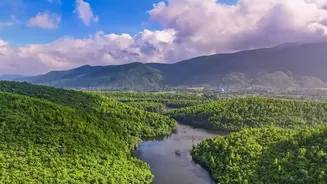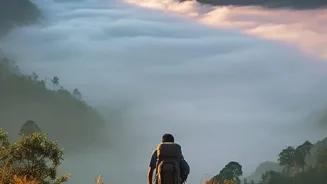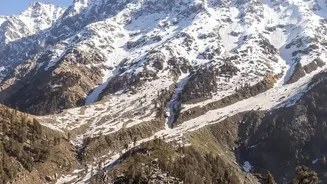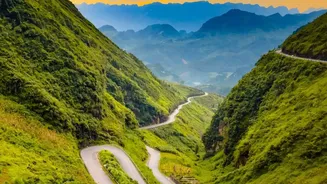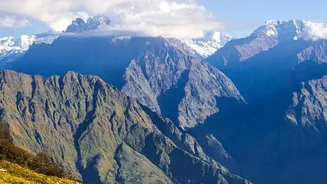

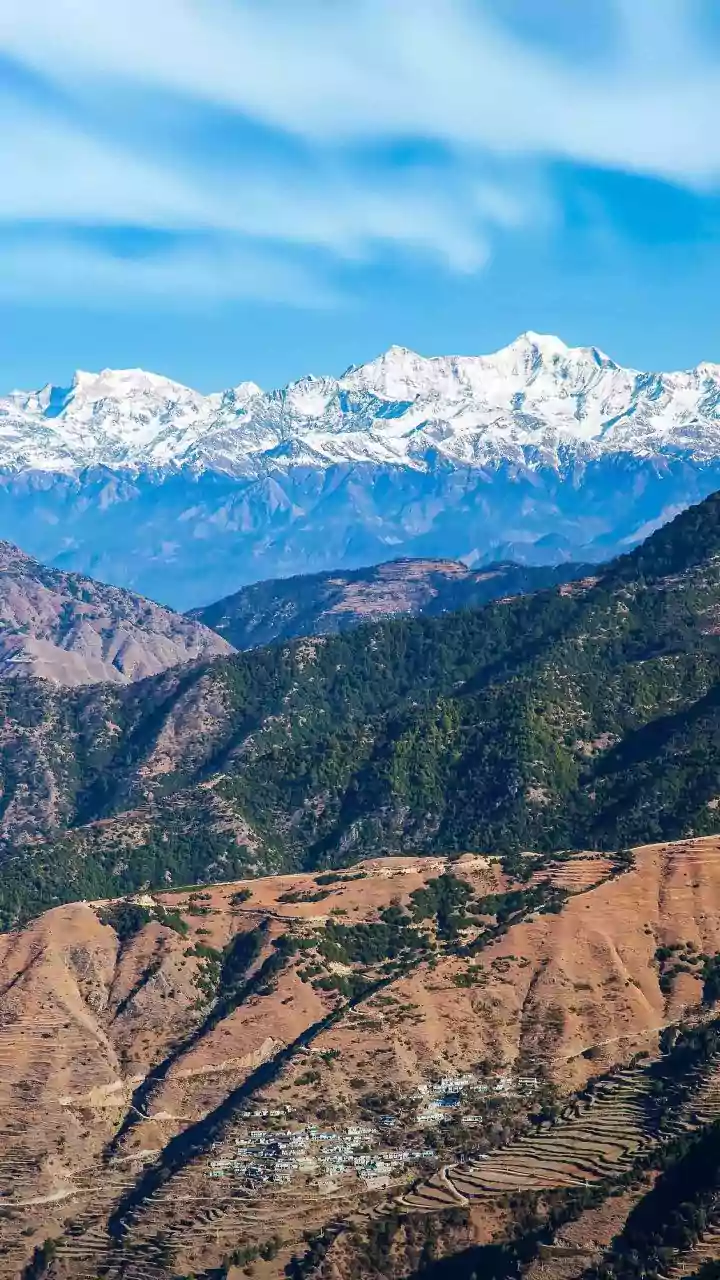
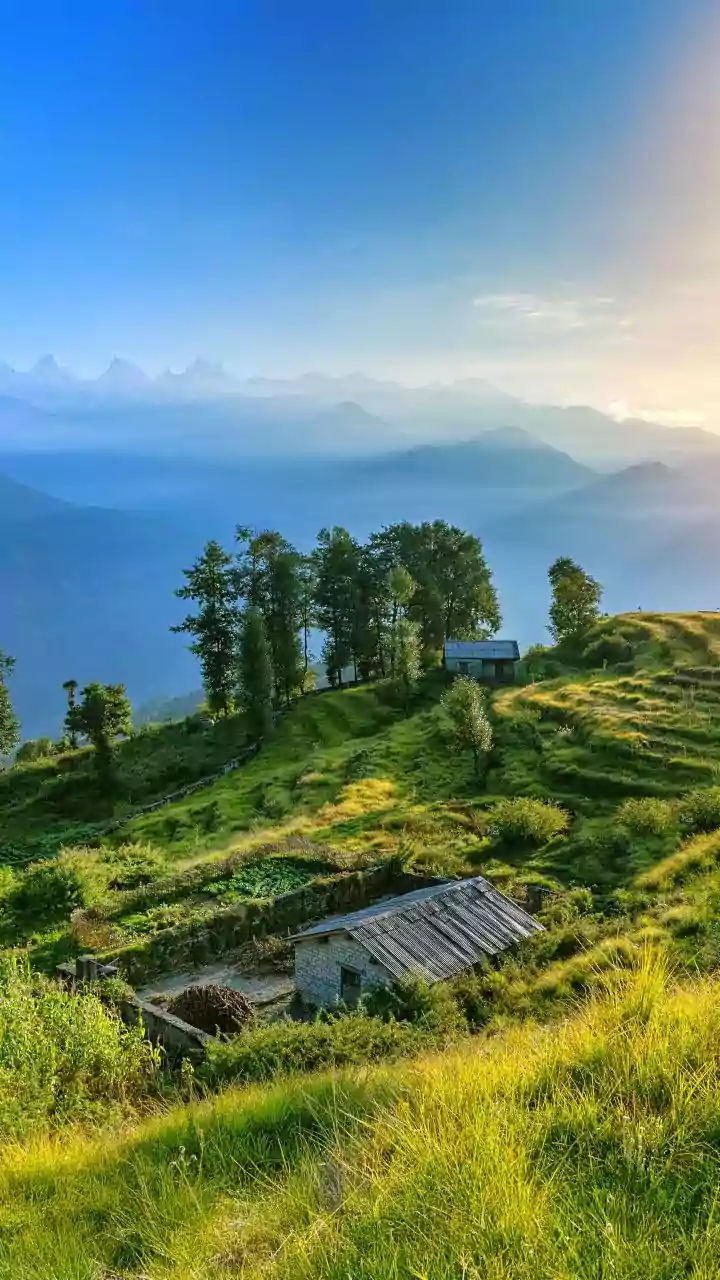
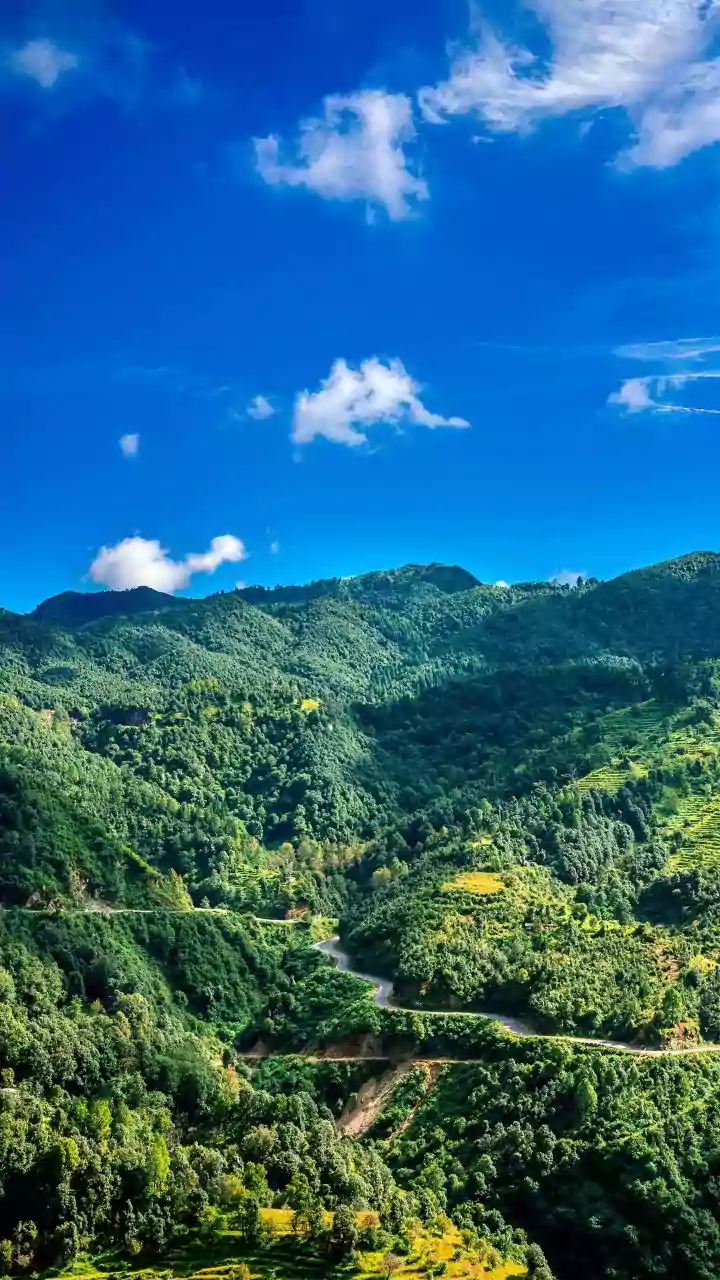

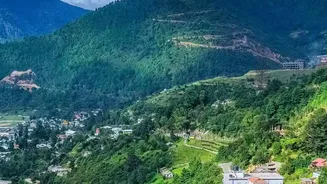
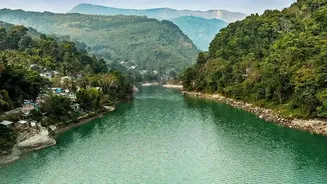
Arunachal Pradesh, the 'Land of the Dawn-Lit Mountains', offers some of India's most stunning and remote Himalayan landscapes. But timing your visit is crucial. Here’s why the windows of spring and autumn are perfect for a mountain adventure.
The Two Golden Windows for Travel
Planning
a trip to the mountainous state of Arunachal Pradesh requires a close look at the calendar. While its beauty is undeniable year-round, the most comfortable and rewarding experiences are concentrated in two specific periods: the pre-monsoon spring from March to May, and the post-monsoon autumn from October to November. These seasons offer the best balance of pleasant weather, accessible roads, and clear skies, ensuring your mountain journey is memorable for all the right reasons. Outside these windows, the heavy monsoon (June to September) can bring landslides and travel disruptions, while the deep winter (December to February) presents extreme cold and potential pass closures due to snow, although it has its own unique charm for snow-seekers in places like Tawang.
Spring's Bloom: March to May
As winter recedes, Arunachal Pradesh awakens in a burst of colour and life. The spring months are arguably the most picturesque time to visit. Temperatures are pleasant, generally ranging from 10°C to 25°C, making it ideal for sightseeing and outdoor activities without the extreme chill of winter or the oppressive humidity of summer. This is the season when rhododendrons and orchids are in full bloom, painting the valleys and hillsides in vibrant hues. The weather is perfect for trekking, with many routes becoming accessible after the winter snow has melted. Culturally, this period is alive with festivals. The Apatani tribe in Ziro Valley celebrates Myoko in March, a festival of friendship and fertility. Other significant spring festivals include the Monpa new year, Losar (February/March), and Mopin of the Galo tribe (April), offering a deep dive into the region's rich tribal heritage.
Autumn's Clarity: October to November
The months following the monsoon offer a different kind of magic. The rains wash the atmosphere clean, resulting in crisp air and exceptionally clear skies. This is the best time for photographers and anyone seeking panoramic views of the snow-clad Himalayan peaks, such as Gorichen and Kangto. Temperatures are cool and comfortable, typically between 10°C and 20°C in the valleys, though nights can get chilly, especially by November. The roads are generally dry and in their best condition post-monsoon, facilitating smoother travel across the state’s challenging terrain. This is also a prime time for trekking and adventure sports like river rafting. The cultural calendar is active, with events like the Chalo Loku harvest festival of the Nocte tribe celebrated in November and the Tawang Festival often held in late October.
What to Pack for Your Trip
Packing for Arunachal Pradesh requires preparation for variable mountain weather, even in the best seasons. Layering is key. For a trip in either spring or autumn, your luggage should include a mix of light clothing for sunny days and warm layers for the evenings and higher altitudes. Essentials include thermal wear, fleece jackets, and a windproof and waterproof outer layer. Temperatures can drop significantly at night and at places like Sela Pass, so a warm hat, gloves, and a scarf are advisable. Comfortable, sturdy walking shoes with good grip are non-negotiable, whether you plan on serious trekking or just exploring towns and monasteries. Sunscreen, sunglasses, and a reusable water bottle are also must-haves, as the sun can be strong at high altitudes.
Don't Forget Your Permit
A crucial step in planning your trip is securing the necessary permits. All Indian citizens who are not residents of Arunachal Pradesh must obtain an Inner Line Permit (ILP) to enter the state. This is a mandatory travel document that can be applied for online through the official government portal. The process is straightforward, requiring a valid ID proof and a photograph. Foreign nationals need a Protected Area Permit (PAP), which must be arranged through a registered tour operator and typically requires traveling in a group. It is essential to apply for your permit well in advance of your travel dates to ensure a hassle-free entry into this protected and pristine region.