





Swap Heavy Fabrics for Light Alternatives
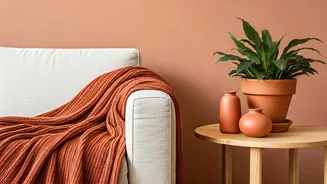
The single biggest change you can make is with your textiles. Heavy fabrics like velvet or thick cotton absorb moisture from the humid air, making your space feel damp and potentially leading to mildew. This July, pack away those heavy curtains, thick rugs,
and dense cushion covers. Replace them with lightweight and sheer alternatives. Sheer or lace curtains will allow maximum natural light to filter through on overcast days, instantly making the room feel brighter and bigger. For upholstery and cushions, consider fabrics like linen, cotton-linen blends, or synthetic options that repel moisture. These materials don't cling, they dry faster, and they promote better airflow, which is crucial in a compact home during the rains.
Fight the Gloom with Smart Lighting
With grey skies becoming the norm, natural light is a precious commodity. Your lighting strategy needs to compensate for the dreary weather outside. Relying on a single overhead light can create a harsh, uninviting atmosphere. Instead, layer your lighting. Use a mix of ambient, task, and accent lights to create a warm, balanced glow. Floor lamps and table lamps placed in dark corners can make the room feel larger. Consider installing LED strips under cabinets or behind shelves to add another layer of soft illumination. Placing mirrors strategically opposite a window or a lamp is another clever trick to reflect light and amplify brightness throughout the room.
Declutter to Improve Airflow
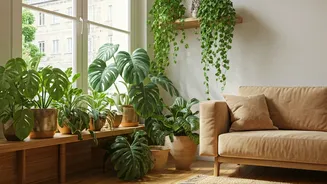
In a small flat, every inch counts, and during the monsoon, good ventilation is non-negotiable. Stagnant, humid air is the primary cause of musty smells and mould growth. Now is the time to ruthlessly declutter. Move hefty furniture slightly away from the walls to allow air to circulate and prevent moisture from getting trapped. With less floor space, think vertically. Use wall-mounted shelves and hanging planters to display items and introduce greenery without sacrificing valuable room. A well-ventilated home not only smells fresher but also feels more spacious and comfortable, which is a huge win for small-apartment living.
Bring in Humidity-Loving Indoor Plants
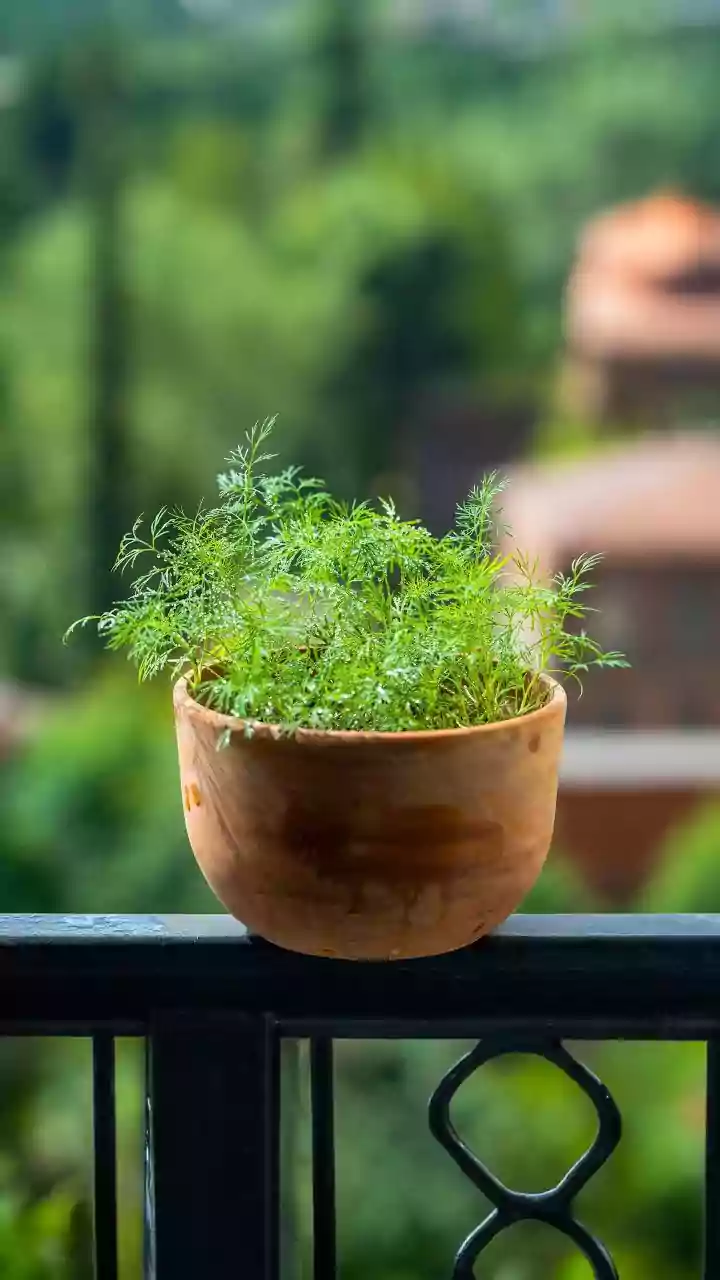
While it may seem counterintuitive to add more living things that require water, the right indoor plants can work wonders during the monsoon. Many plants thrive in the high humidity of the rainy season and act as natural air purifiers. Hardy, low-maintenance options like the Snake Plant, ZZ Plant, and Pothos are excellent choices as they tolerate low light and help improve indoor air quality. Ferns also love moisture-laden air and add a lush, tropical feel. Arranging a few pots near a window or in a corner can instantly liven up the space, combatting the outdoor gloom with vibrant indoor green.
Banish Musty Odours Naturally
One of the most persistent problems during the rains is the dreaded musty smell that clings to everything. This odour is usually caused by mould and mildew thriving in damp conditions. Instead of masking it with artificial air fresheners, tackle the source. Improve ventilation by opening windows whenever there's a break in the rain and using exhaust fans. You can also use natural odour absorbers. Place small bowls of baking soda, activated charcoal, or white vinegar in wardrobes and corners to absorb excess moisture and neutralise smells. Scented candles or essential oil diffusers with fragrances like lemongrass, eucalyptus, or tea tree can also help create a fresh and inviting atmosphere while warding off the damp scent.