
The Potent Power of Nostalgia
The simplest and most powerful reason is nostalgia. In an increasingly uncertain world, there's a deep comfort in the familiar. Franchises offer a form of emotional security; we know the world, we love the characters, and we have a good idea of the experience
we're paying for. This is especially true for series that have been part of our lives for years. The return of Tara Singh in 'Gadar 2' wasn't just another film; it was a mass cultural event fueled by two decades of nostalgia. This 'nostalgia economy' has become a potent marketing tool, turning recollection into box office revenue by tapping into happy personal associations from the past. It provides a shared point of reference that strengthens social bonds, as generations come together over a shared love for a cinematic world.
Built-In Character Equity
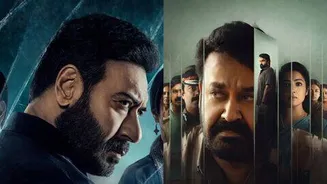
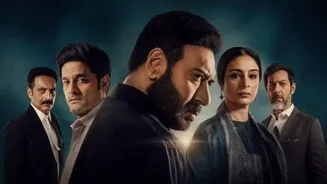
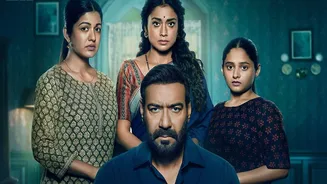
Filmmakers don't need to spend the first thirty minutes of a sequel establishing the lead characters; that work is already done. We are already invested in the lives of Salman Khan's 'Tiger' or Ajay Devgn's Georgekutty in 'Drishyam'. This pre-existing emotional connection, or character equity, is a massive advantage. We return not just for a new plot, but to see how these characters we know have evolved. YRF's Spy Universe, which connects standalone characters like Pathaan, Tiger, and Kabir, has become India's highest-grossing film franchise by leveraging the combined equity of these individual heroes. The audience's loyalty isn't just to a title, but to the people on screen, whose journeys they have followed. This is why star power remains a significant, though not foolproof, factor in a franchise's success.
A Low-Risk Marketing Dream
From a business perspective, franchises are a safer bet. They are, in essence, a brand that is already popular. Marketing a new, original film requires building awareness from scratch, but a sequel enters the market with built-in awareness. The title alone communicates a promise to the audience. Whether it's the chaotic comedy of 'Housefull' or the stylish action of 'Don', the brand is pre-sold. This reduces uncertainty for producers and studios, who see franchises as a way to minimize financial risk in an unpredictable industry. This business strategy has led to a 'sequel economy,' where a successful film is immediately seen as the potential start of a universe.
The 'Event' Movie Spectacle
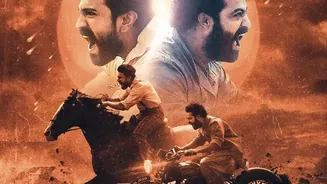
Major franchise films have transformed from simple movie releases into large-scale cultural events. They are designed for the big screen, often featuring grander action sequences, bigger budgets, and expanding narratives that demand a communal viewing experience. The success of epic series like 'Baahubali' and 'K.G.F' proved the audience's appetite for larger-than-life stories told in multiple parts. This trend has been amplified by the creation of interconnected cinematic universes, like the YRF Spy Universe and Rohit Shetty's Cop Universe, where crossovers and cameos turn each new film into a must-see chapter in a larger saga. Watching these films in a theatre becomes about participating in a pop culture moment.
But Familiarity Isn't a Guarantee
However, audience interest is not a blank cheque. The landscape is littered with sequels that failed to connect because they relied on the brand name alone without delivering a compelling story. Series like 'Dabangg' and 'Baaghi' saw diminishing returns with later instalments when the quality dropped. Audiences today are more discerning, with access to a world of content on streaming platforms. Brand fatigue is a real phenomenon, and star power alone is no longer enough to save a weak script. For a franchise to truly endure, each new entry must justify its existence. It has to respect the audience's investment, innovate within the established world, and deliver a story that feels both familiar and fresh. Sequels work when they elevate the drama, as seen with 'Drishyam 2', not when they simply rehash old formulas.