


An Accidental Experiment
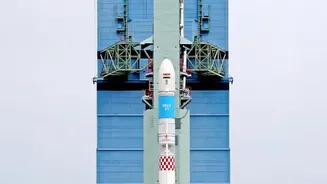
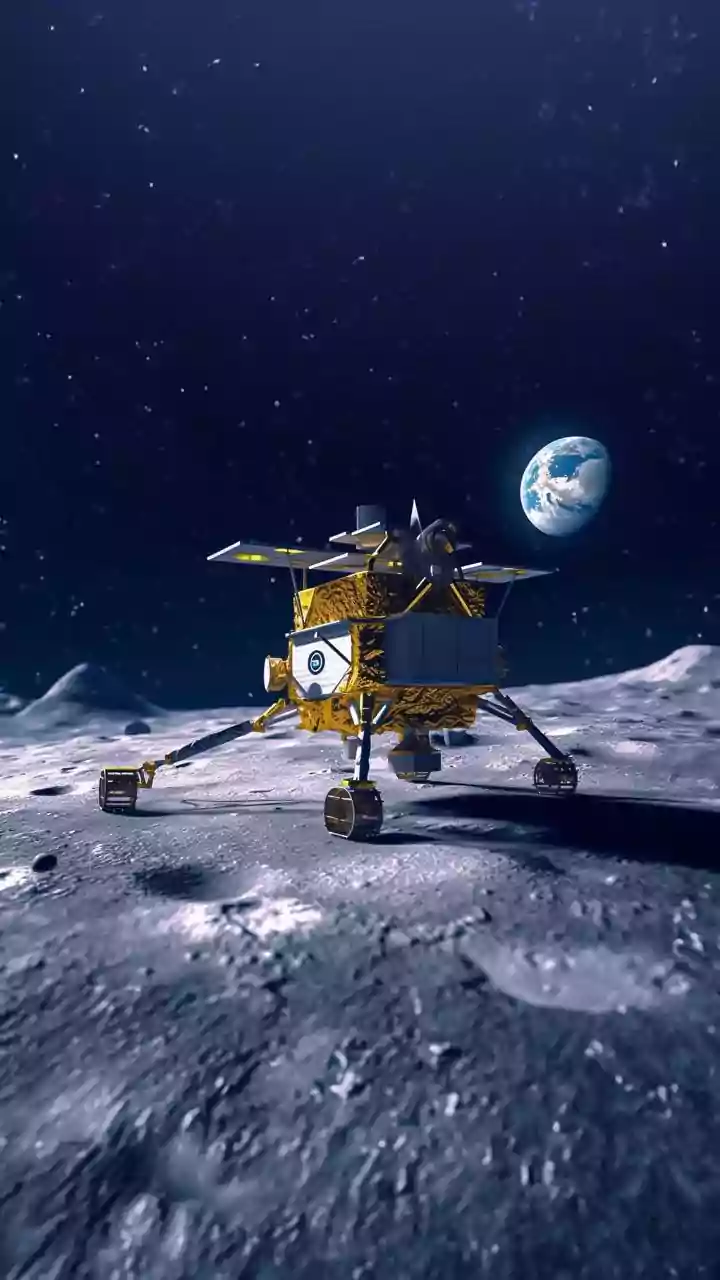
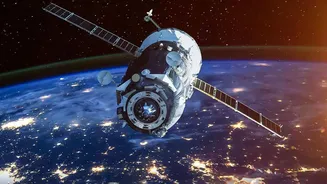
On August 5, 2026, the upper stage of a Falcon 9 rocket is expected to slam into the lunar surface at over 5,400 mph. This piece of space hardware is not on a planned mission; it's a leftover from a January 2025 launch that sent two commercial landers
toward the Moon. After deploying its payload, the 8,800-pound booster didn't have enough fuel to return to Earth or escape into deep space. Instead, it entered a chaotic orbit where solar activity and gravitational forces slowly nudged it onto a collision course with the Moon. Independent astronomers first spotted the trajectory, which was later confirmed by NASA's Center for Near Earth Object Studies as having a 100% chance of impact. While SpaceX noted it followed all regulations for disposal, this accidental trajectory has turned a piece of space debris into a valuable scientific asset.
The Scientific Game Plan
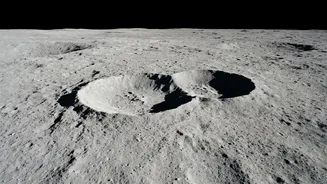
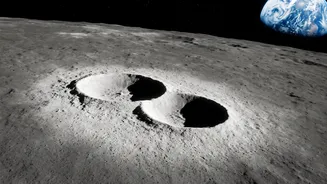
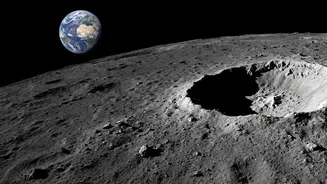
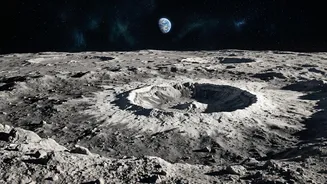
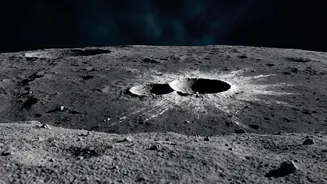
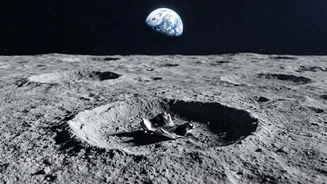
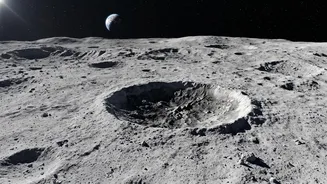
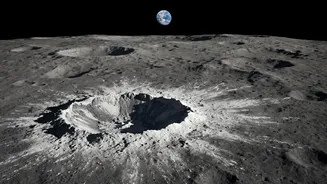
When the rocket stage hits the Moon, it will excavate a new crater estimated to be 60 to 100 feet wide and up to 16 feet deep. The impact will have the force equivalent of nearly three tons of TNT, blasting tons of lunar dust and rock—known as regolith—outward. This is what has scientists excited. The plume of ejected material will contain matter from beneath the Moon's surface, which is typically hidden from view. By studying this ejecta, researchers can gain valuable insights into the Moon's geology and composition without the multi-billion-dollar expense of a dedicated sample-return mission. It’s a rare chance to study how craters form in real-time, helping to refine models for both natural and artificial impacts on other planetary bodies.
Eyes on the Sky
Observing the impact presents a challenge. The initial flash will be brief and likely invisible from Earth, as the crash is happening on the sunlit side of the Moon. The main opportunity for observation lies in the plume of dust, which simulations suggest could rise several miles high and persist for several minutes. While too faint for the naked eye, there is a chance that amateur astronomers with large telescopes might spot the plume against the blackness of space. The primary observers, however, are already in orbit. NASA's Lunar Reconnaissance Orbiter (LRO) and South Korea's Korea Pathfinder Lunar Orbiter will be tasked with imaging the impact site. LRO plans to take before-and-after photos of the area to precisely measure the new crater and study the debris field, though it may take days or weeks for the data to be received and analyzed.
Learning from the Crash
This isn't the first time an impact has been used for science. In 2009, NASA's LCROSS mission deliberately crashed a rocket stage into a permanently shadowed crater near the lunar south pole. That mission successfully confirmed the presence of water ice by analyzing the resulting plume. While this Falcon 9 impact is unplanned and in a different location—near the Einstein and Bell craters—the principle is the same. Scientists know the mass, velocity, and composition of the rocket stage, which are all known variables that are missing when studying natural meteorite impacts. This makes the collision a controlled experiment in planetary science. The data gathered will help scientists better understand the physics of high-velocity impacts, the properties of the lunar regolith, and how to interpret the billions of craters that scar the Moon's surface.