






The Paradox of Progress
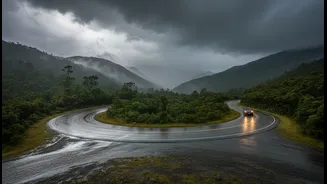
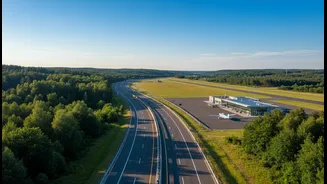
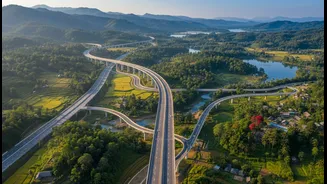
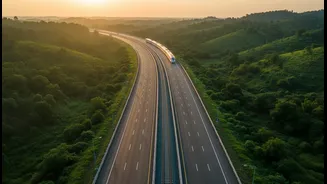
In recent years, the government has invested thousands of crores in transforming the connectivity of Northeast India. Ambitious projects under schemes like the North East Special Infrastructure Development Scheme (NESIDS) and Bharatmala Pariyojana are
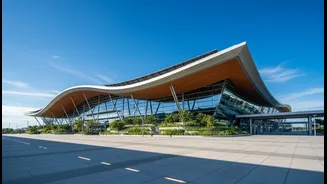
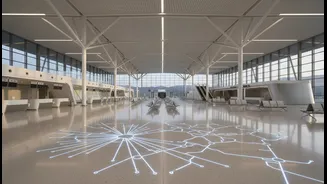
laying down new highways, bridges, and railway lines, cutting down travel times that were once measured in days. Airports have been upgraded and new routes launched under the UDAN scheme to connect remote towns. The goal is clear: to integrate the ‘Ashtalakshmi’ states with the mainland and unlock their economic potential. However, a crucial gap persists. This isn't a gap made of asphalt or steel, but of information. While the physical infrastructure is being built, the digital and guidance infrastructure that makes it usable has lagged behind, creating a significant barrier for everyone.
The Indian Traveller’s Planning Nightmare
For the average Indian family or group of friends dreaming of a trip to see Meghalaya's living root bridges or the monasteries of Sikkim, the planning process is often fraught with uncertainty. Beyond booking a flight to Guwahati or a train to a major hub, the journey dissolves into a web of questions. Is the road to a remote destination open during the monsoon? What are the reliable local taxi services? How does one navigate the permit requirements for states like Arunachal Pradesh, a process that can be confusing and lacks clear, online instructions? This information deficit means many tourists stick to a few well-trodden destinations like Shillong or Kaziranga, leaving the vast potential of the wider region untapped. The result is a travel experience that relies heavily on guesswork or expensive tour operators, deterring many independent travellers.
A Daily Struggle for Northeast Residents
For the people who live in the Northeast, connectivity is not a matter of leisure but a lifeline. The information gap has a direct impact on their daily lives. A student trying to get home for the holidays, a farmer needing to reach the market, or a family requiring medical care in a larger town all depend on a transport network of shared taxis, local buses, and regional trains. However, much of this network operates informally, without digital ticketing or real-time schedules. Information on services is often passed by word-of-mouth. This makes planning essential travel difficult and unreliable, reinforcing a sense of isolation that new highways are meant to erase. Poor digital connectivity, with the Northeast having less than 2% of India's broadband subscribers, means many local transport providers remain offline, unable to offer their services to a wider audience.
The Last-Mile Challenge for Culture Seekers
Northeast India is a treasure trove for culture-focused tourists who seek authentic, offbeat experiences. They are the travellers willing to venture further to witness a unique festival in Nagaland, stay in a homestay in a remote Arunachal village, or explore the region's rich biodiversity. Yet, these are the very people most affected by the guidance gap. Their journeys depend on last-mile connectivity, which is often the most unpredictable part of the trip. Startups and platforms like NorthEast India Connect have emerged to bridge this divide by creating directories of verified local providers, from homestays to car rentals. These initiatives highlight the demand for a system that connects travellers directly with local communities, ensuring tourism benefits spread beyond the main hubs. Without this, the region’s unique cultural assets remain difficult for the world to respectfully access and appreciate.
What 'Better Guidance' Looks Like
Solving this problem requires more than just a few new websites. 'Better guidance' means creating an integrated, reliable, and user-friendly information ecosystem. A crucial first step, as highlighted during the North East India Infrastructure Summit in June 2026, would be a unified digital platform for handling permits for all states, simplifying a major hurdle for tourists. This could be part of a larger, government-supported 'super app' for the Northeast. Such a platform could provide real-time updates on road conditions, integrated booking for public and private transport, and a verified directory of accommodations and guides. Empowering local transport operators with the technology to get their services online is equally critical. It's about building the digital highways that are just as important as the physical ones.