






India's Widespread Protein Gap
For years, a silent health crisis has affected a vast majority of the population. Multiple surveys have consistently pointed to a significant protein deficiency, with some studies suggesting that over 70% of Indians consume inadequate amounts of this
crucial macronutrient. This isn't due to a lack of food, but a problem of composition. Traditional Indian diets, while rich in many nutrients, are often cereal-based. A staggering 60% of protein intake can come from cereals like rice and wheat, which are not as high-quality or easily digestible as protein from sources like pulses, dairy, or meat. The result is a national paradox: a population that is largely fed, yet undernourished in a key building block of life. The consequences are subtle but serious, linked to poor immunity, fatigue, and loss of muscle mass, affecting everyone from children to the elderly.
The Wake-Up Call for Consumers
So, what changed? The shift is being driven by a convergence of factors, primarily a surge in health and wellness consciousness, accelerated by the recent pandemic. Consumers are no longer just eating for taste or satiety; they are eating for immunity, strength, and longevity. There's a growing awareness that protein is essential for all ages, not just for athletes. This new-found knowledge has been amplified by public health campaigns like 'Right To Protein', which launched India's first 'Protein Day' to educate citizens about their daily requirements. With surveys indicating that over 90% of Indians are unaware of their daily protein needs, these initiatives are crucial in bridging the knowledge gap and encouraging people to ask, "What's in my food?"
From Niche to Supermarket Shelf
India's Fast-Moving Consumer Goods (FMCG) sector has been quick to respond. Where protein was once confined to specialty health stores, it is now a key selling point in the busiest supermarket aisles. Major brands like ITC, Amul, Nestlé, and Tata Consumer Products are infusing everyday products with a protein boost. The strategy is one of integration, not disruption. Instead of asking consumers to adopt new, unfamiliar foods, companies are fortifying the items they already love: protein-enriched atta, biscuits, breakfast smoothies, and even instant noodles. This move makes nutrition more accessible and convenient, embedding it into daily routines without demanding drastic lifestyle changes. The market is booming, with projections showing India's protein market growing significantly, expected to reach approximately $2.2 billion by 2031.
Making Protein Affordable and Accessible
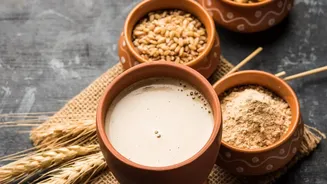
A key part of this mainstream push is affordability. To make protein a daily habit for the masses, companies are innovating with pricing and packaging. The introduction of smaller, low-priced product formats is a game-changer. Brands are launching single-serving protein bars, wafers, and drinks priced for impulse buys and experimentation. ITC, for example, introduced a chana sattu pack in eastern India starting at just Rs 10, delivering 10 grams of protein and tapping into a traditional dietary habit. This 'sachet-ization' of protein lowers the barrier to entry for price-sensitive consumers, transforming protein from a premium monthly purchase into an everyday possibility for millions.
A Coordinated National Effort
This trend isn't just market-driven; it aligns with a broader national agenda. The Indian government is actively promoting dietary diversity and protein consumption through initiatives like Poshan Abhiyaan and the Fit India Movement. The latest 'Rashtriya Poshan Maah' (Nutrition Month) campaign specifically includes a focus on protein-rich foods, aiming to place Anganwadi centres at the heart of community nutrition. Government bodies like NITI Aayog have also pushed for including more protein-rich foods in the Public Distribution System (PDS), recognizing that tackling malnutrition requires a multi-pronged approach that combines public welfare with market-led solutions.