



The Established King
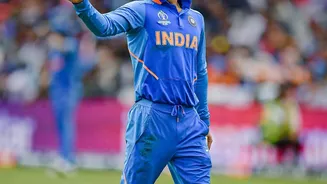
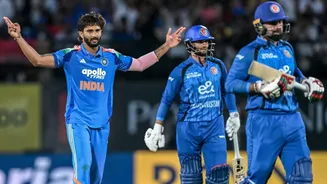
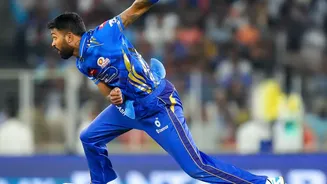
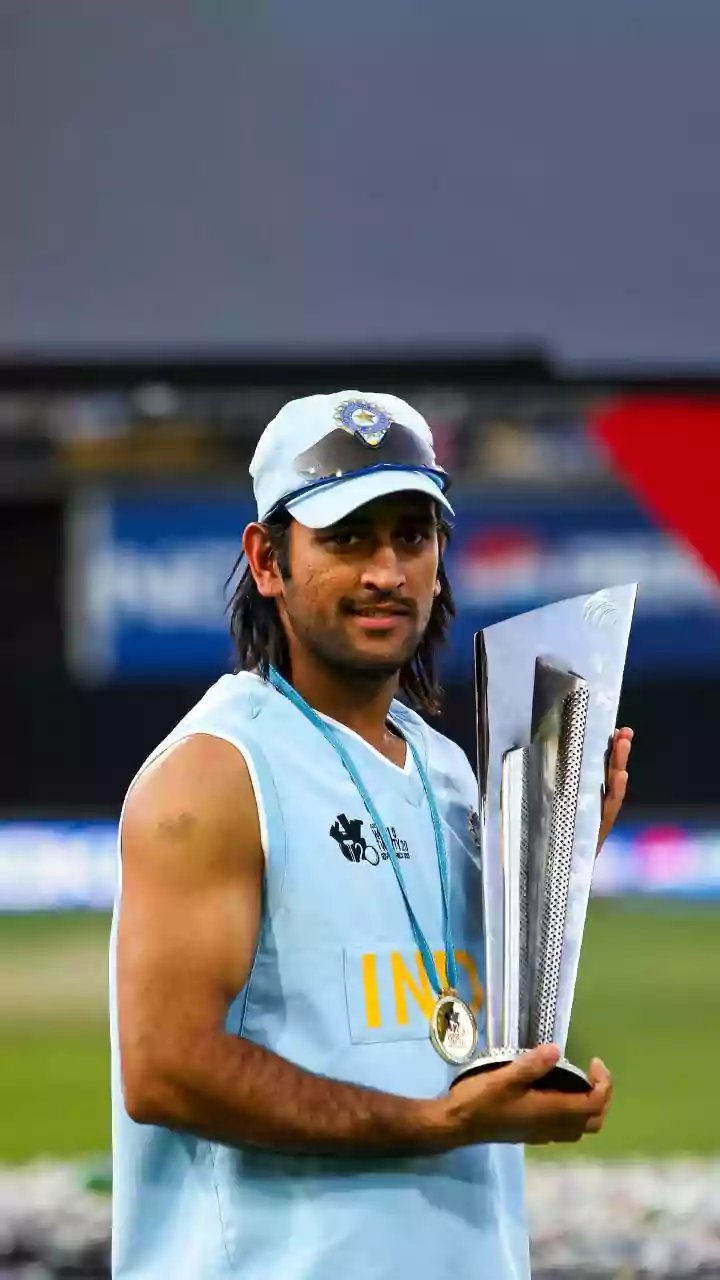
For years, Hardik Pandya has been the undisputed answer to India's search for a pace-bowling all-rounder. With his explosive power-hitting down the order and a knack for breaking partnerships with his brisk medium pace, he provides the kind of balance
that is a captain's dream in white-ball cricket. On his day, Pandya is a game-changer, capable of turning a match on its head with either bat or ball. However, the last few years have been a story of frustrating injury battles. Recurring issues, most recently a quadriceps strain and back spasms, have kept him out of consistent international action. His latest comeback trail involves a stint with the India 'A' side to prove his match fitness before a potential return to the senior team. The question hanging over Pandya is no longer about talent, but about reliability and his body's ability to withstand the rigours of bowling his full quota regularly.
The Challenger Emerges
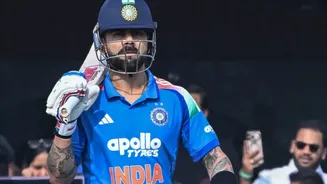
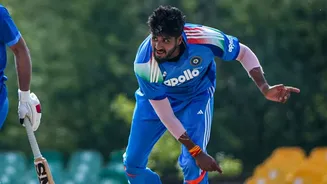
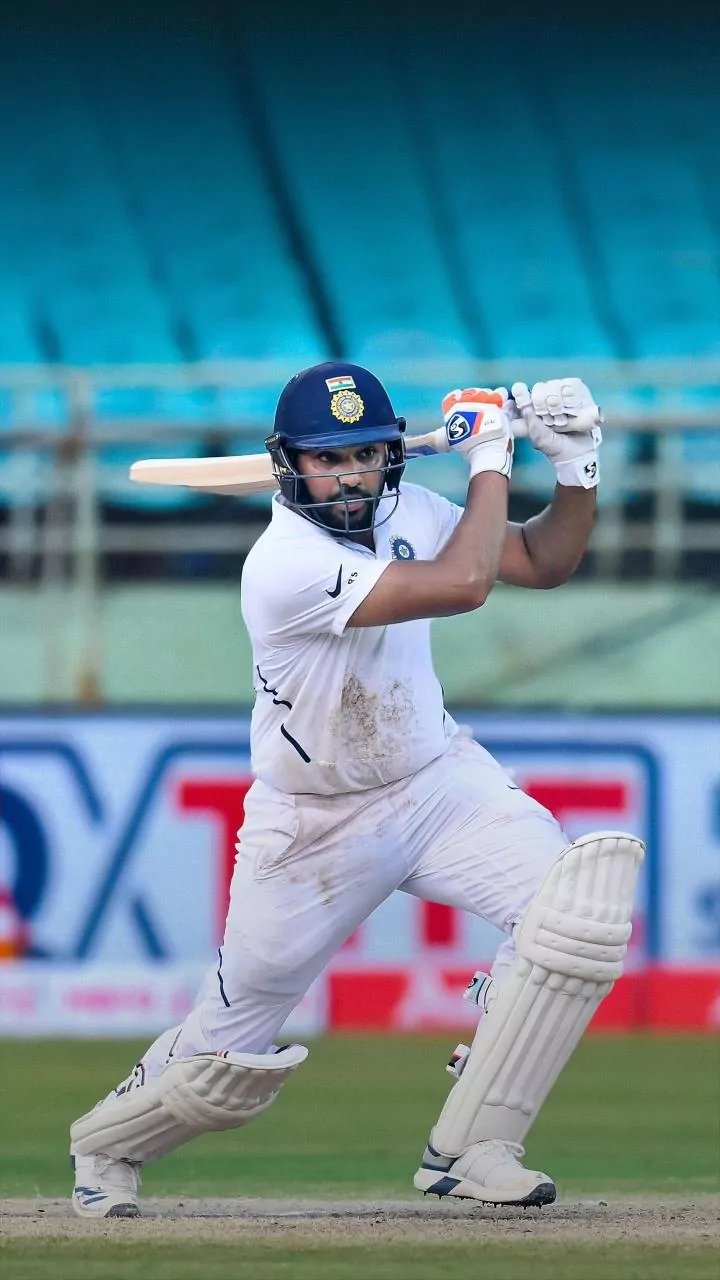
Enter Nitish Kumar Reddy, the 23-year-old from Andhra Pradesh who has forcefully entered the conversation. A product of a strong domestic grounding and a breakout IPL season in 2024 where he won the Emerging Player award, Reddy is a modern, multi-dimensional cricketer. Unlike Pandya's raw power, Reddy’s batting is built on a combination of classical technique and aggressive intent, while his right-arm medium-fast bowling clocks in around the 130-135 km/h mark. His international debut in 2024 was nothing short of spectacular, smashing a 34-ball 74 against Bangladesh in just his second T20I and chipping in with two wickets. He even earned a Test cap, scoring a memorable century against Australia batting at number eight, showcasing a temperament beyond his years. Reddy represents the new wave: fearless, versatile, and hungry to make his mark.
A Tale of the Tape
When comparing the two at similar, early stages of their careers, an interesting picture emerges. After his first 20 international games, Nitish Reddy had more runs and a higher batting average, including a Test century, something Pandya did not have at that stage. However, Pandya was the more effective bowler, having claimed 19 wickets compared to Reddy's 13, and at a much better average. This highlights the fundamental difference in their initial roles. Pandya entered the scene primarily as a bowling all-rounder who could hit big, while Reddy has established himself as a genuine batting all-rounder whose bowling is a significant and developing asset. In recent T20s, Reddy has shown explosive striking ability, with a performance of 74 off 34 balls, while Pandya responded in the same series with a blistering 39 off 16, proving he still possesses that elite gear.
Temperament, Fitness, and the Road Ahead
Beyond the statistics, the conversation is about roles and reliability. Hardik Pandya, now 32, brings a wealth of experience from high-pressure tournaments and franchise league finals. His presence is a known quantity, a source of leadership and tactical nous. The challenge for him is purely physical: can he remain fit enough to bowl 10 overs in an ODI and be the explosive finisher India needs? Nitish Reddy, on the other hand, is at the beginning of his journey. He has shown remarkable composure, but the pressures of being the designated all-rounder for India over a sustained period are immense. His journey has already seen him overcome injuries that delayed his initial national call-up, a reminder of the fragility that comes with the all-rounder's trade. Selectors and team management seem to view Reddy as a crucial long-term option, potentially as a backup for the 2027 World Cup should Pandya's fitness concerns persist.