


Meghalaya: Where Clouds Meet Caverns
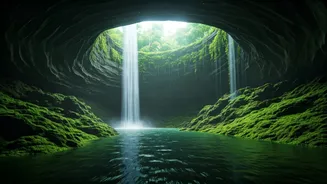
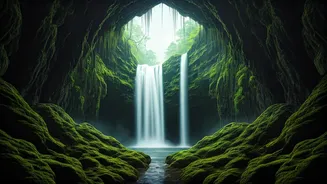
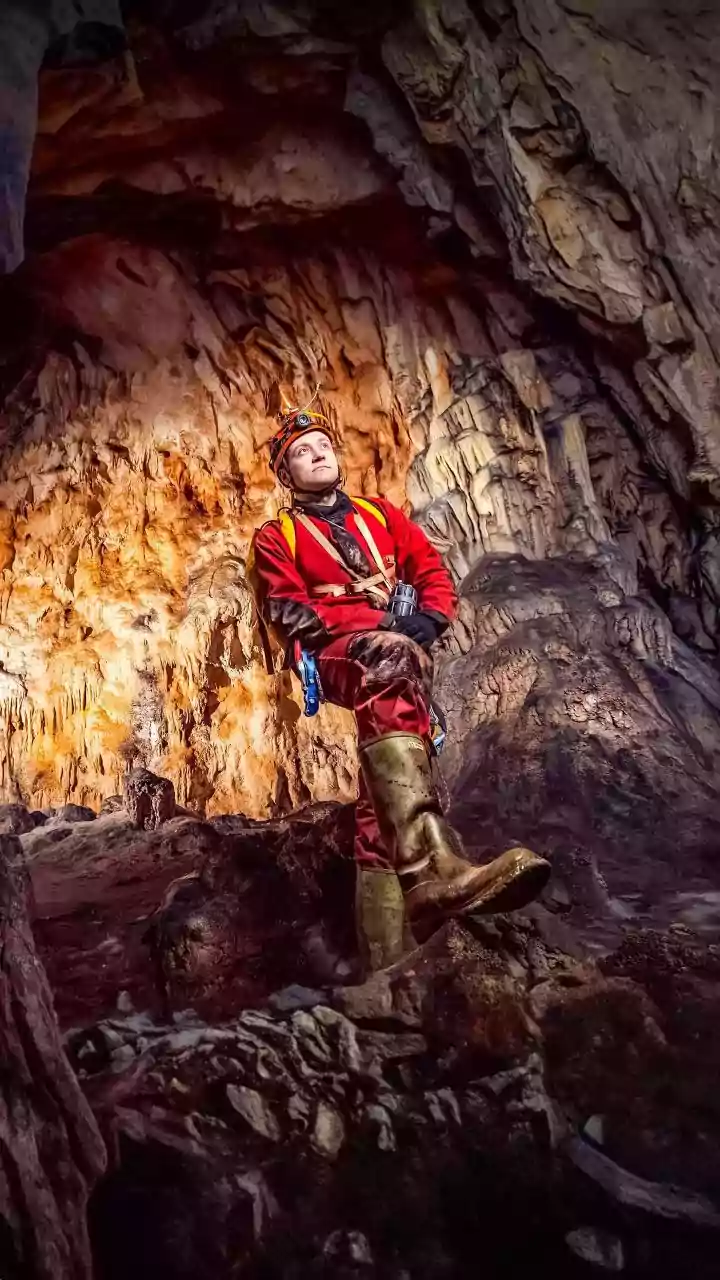
Known as the 'Abode of the Clouds', Meghalaya is home to some of the longest and most complex cave systems in Asia. During the monsoon, this subterranean world transforms. The Mawsmai Caves, near Cherrapunji, become a prime example. While accessible year-round,
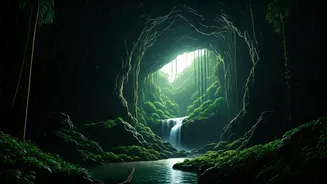
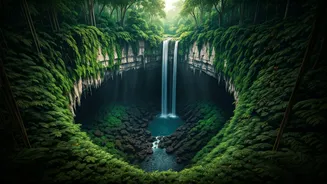
the monsoon adds a dramatic flair. Water drips from the limestone formations, creating an ethereal soundtrack, and the streams inside swell, reflecting the dim light from your headlamp. The entrance to the cave, surrounded by dripping, verdant foliage, feels like a gateway to another dimension. The air is thick with the smell of wet earth and ancient stone. While deeper, more technical caving is best left to professionals and the dry season, accessible show caves like Mawsmai offer a safe yet thrilling glimpse into this underground kingdom, made all the more memorable by the region’s relentless, life-giving rains.
Maharashtra: Waterfalls Over Ancient Steps
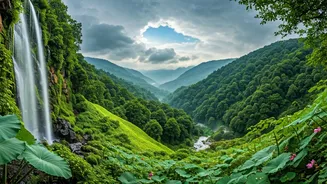
The Western Ghats in Maharashtra are dotted with ancient Buddhist caves, carved into basalt rock centuries ago. In the dry season, they are stark and historic. But when the monsoon arrives, they become truly spectacular. The Bhaja Caves, near Lonavala, are a perfect destination. A trek up the hillside, now lush and misty, leads you to these 2nd-century BC monastic cells. The most iconic sight is the waterfall that cascades over the side of the main chaitya (prayer hall) and viharas, creating a curtain of water. It’s a sensory experience—the cool spray on your face, the roar of the water, and the serene gaze of ancient carvings looking out from behind the deluge. It feels less like a historical site and more like a living, breathing sanctuary where nature and human artistry have merged. Similar experiences can be found at Karla Caves and the countless smaller, lesser-known sites scattered across the Sahyadris.
Karnataka: Badami's Redstone Wonders
The Badami cave temples in Karnataka, carved from soft red sandstone, are a testament to Chalukyan architecture. While stunning any time of year, the monsoon season adds a unique layer of beauty. The rain washes the red cliffs, intensifying their colour against the grey sky. The Agastya Lake, which the caves overlook, fills to the brim, its waters reflecting the dramatic, rain-swept landscape. A small waterfall often forms near the caves, its waters trickling down the rust-coloured rock faces. Exploring the four main caves—dedicated to Shiva, Vishnu, and Jain Tirthankaras—feels more profound with the sound of rain echoing outside. The cool, damp air inside the caverns provides a welcome respite, and the views from the cave verandas, looking out over the greened landscape and glistening lake, are simply breathtaking. It’s a chance to see these architectural marvels not just as monuments, but as part of a dynamic, seasonal ecosystem.
Madhya Pradesh: Prehistory in a Green Haven
The Bhimbetka Rock Shelters, a UNESCO World Heritage Site, hold some of the oldest evidence of human life in India. These natural sandstone caves are nestled within the dense forests of the Ratapani Wildlife Sanctuary. Visiting during the monsoon transforms the journey into an adventure in itself. The surrounding forest becomes a vibrant, emerald-green wilderness, teeming with life. The drive or walk to the shelters is an experience, with misty air and the sounds of the jungle amplified by the rain. The rock shelters, which protected our ancestors from the elements, offer that same sense of refuge today. Looking out from within a cave, you see the same rain-soaked landscape that prehistoric humans witnessed millennia ago. The ancient paintings depicting animals and human figures seem to come alive in the soft, diffused light of a cloudy day. It’s a powerful connection to the past, wrapped in the timeless beauty of the Indian monsoon.