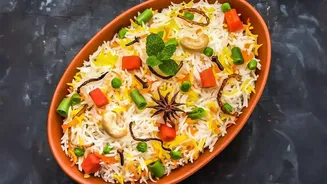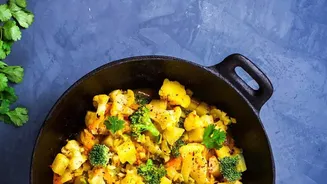




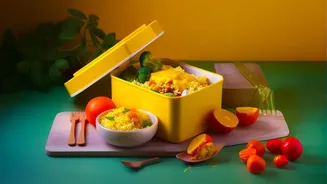
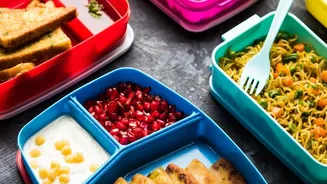
Tired of complicated meals and endless cleanup? A one-pan wonder is the answer. This homemade vegetable millet pulao delivers incredible flavour and nutrition with minimal fuss, making it the perfect weeknight hero for modern Indian kitchens.
Why Millets Are Making a Comeback
For centuries,
millets were a staple in Indian households, valued for their resilience and nutritional prowess. After falling out of favour to polished rice and wheat, these ancient grains are now being celebrated once again. Millets are naturally gluten-free, packed with fibre, protein, and essential minerals like iron, magnesium, and calcium. Their low glycemic index means they release energy slowly, which helps in managing blood sugar levels and keeping you feeling full for longer, making them an excellent choice for weight management and for those with diabetes. Embracing millets is not just a nod to tradition; it is a smart step towards a healthier, more sustainable diet.
Choosing the Right Millet for Pulao
While there are many types of millets, some are better suited for a fluffy pulao than others. Foxtail millet (known as 'Kangni' in Hindi, 'Navane' in Kannada, or 'Thinai' in Tamil) is often the top choice because its grains tend to remain separate and fluffy when cooked, closely mimicking the texture of Basmati rice. Barnyard millet ('Kuthiraivali' or 'Sanwa') is another fantastic option that cooks quickly and absorbs flavours beautifully. Other options like Kodo millet ('Varagu') and Little millet ('Samai') also work well. The key is to select hulled millets, which are processed for consumption, unlike unhulled varieties often sold as bird feed.
Ingredients for Your Pulao
This recipe is versatile, but here is a foundation to get you started (serves 2-3):
- Grains: 1 cup foxtail or barnyard millet.
- Vegetables: 1.5 to 2 cups of mixed vegetables, chopped (carrots, beans, peas, bell peppers, potatoes).
- Aromatics: 1 medium onion (thinly sliced), 1 teaspoon ginger-garlic paste, 2 green chillies (slit).
- Whole Spices: 1 bay leaf, 2-3 cloves, 1-inch cinnamon stick, 2 green cardamom pods.
- Spice Powders: ½ teaspoon turmeric powder, 1 teaspoon garam masala.
- Liquid: 2 cups of water (for a 1:2 millet-to-water ratio).
- Fat: 1-2 tablespoons of ghee or oil.
- Garnish & Flavour: A handful of fresh mint and coriander leaves, salt to taste, and a squeeze of lemon juice at the end.
Step_by_Step to a Perfect One_Pan Pulao
1. Prep the Millet: Rinse the millet thoroughly in water 2–3 times until the water runs clear. Soaking is recommended for most millets for about $15–30$ minutes; this helps in better digestion and ensures a fluffy texture. After soaking, drain all the water completely using a fine–mesh sieve.
2. Sauté the Aromatics: Heat ghee or oil in a heavy–bottomed pan or pressure cooker over medium heat. Add the whole spices (bay leaf, cloves, cinnamon, cardamom) and let them sizzle for about $30$ seconds until fragrant.
3. Build the Flavour Base:
Add the sliced onions and sauté until they turn translucent or light golden brown. Stir in the ginger–garlic paste and green chillies, and cook for another minute until the raw smell disappears.
4. Cook the Vegetables:
Add all your chopped vegetables along with the spice powders (turmeric, garam masala) and salt. Sauté for $3–4$ minutes until the vegetables are slightly tender.
5. Combine and Cook:
Add the drained millet to the pan and gently stir for a minute to toast the grains slightly. Pour in the $2$ cups of water, add the fresh mint and coriander leaves, and bring the mixture to a rolling boil.
6. Simmer and Rest:
Once boiling, reduce the heat to low, cover the pan with a tight–fitting lid, and let it cook for $12–15$ minutes, or until all the water is absorbed. Do not open the lid during this time. Once cooked, turn off the heat and let the pulao rest, covered, for at least $5–10$ minutes. This resting step is crucial for the grains to become perfectly fluffy.
7. Fluff and Serve:
Finally,
open the lid,
add a squeeze of lemon juice,
and gently fluff the pulao with a fork. Serve hot,
on its own or with a side of cooling raita.
Achieving the perfect texture is easy with a few tricks. First,
always stick to the $1$:$2$ millet–to–water ratio for separate,
non–mushy grains.
Soaking the millet and draining it completely is non–negotiable for a good result.
When cooking,
resist the urge to stir the pulao,
as millet grains can break easily.
Letting the pulao rest for at least $5$ minutes after cooking allows the steam to distribute evenly,
resulting in a perfectly cooked,
fluffy dish every time.