







The Overtourism Dilemma
Spain is one of the world's most visited countries, and its popularity is creating significant strain. From the Canary Islands to Barcelona, locals are increasingly protesting the effects of 'overtourism'. This phenomenon occurs when a destination is overwhelmed
by visitors, leading to pressure on public services, environmental damage, and a rising cost of living that can push residents out. While tourism is a vital part of the economy, the sheer volume of people, amplified by cruise ships and low-cost air travel, has led to a palpable tension in many tourist hotspots. For travellers, this translates into an experience that can feel less like a relaxing holiday and more like a battle for space.
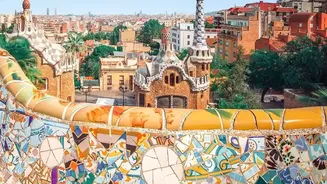
Barcelona's Park Güell: The Postcard View
The Expectation: You imagine a whimsical stroll through Antoni Gaudí's vibrant, mosaic-covered wonderland. Photos promise serene moments on the undulating serpentine bench, with a sweeping, unobstructed view of Barcelona below as the sun sets. You picture yourself capturing that perfect, colourful photo with the famous 'El Drac' salamander, with plenty of space to admire the architectural genius. The Reality: Park Güell is a victim of its own photogenic fame. The monumental zone, which contains most of Gaudí's famous works, requires a timed ticket that must be booked well in advance. Once inside, you'll find the most famous spots, like the main terrace, are crammed with hundreds of other visitors all vying for the exact same selfie. The experience can feel less like a tranquil park and more like navigating a crowded queue. The park itself is on a steep hill, making it a challenging walk, and many visitors find that the iconic architectural elements are concentrated in a smaller area than they imagined.
Granada's Alhambra: The Moorish Masterpiece
The Expectation: A silent, contemplative walk through the breathtaking courtyards and exquisitely detailed halls of the Nasrid Palaces, once home to Moorish sultans. You envision tracing the intricate tilework with your eyes, feeling the weight of history in a place of serene, palatial beauty. The Reality: The Alhambra's popularity means access is highly restricted to preserve the site. A mere 300 people are allowed into the Nasrid Palaces every half-hour, and tickets sell out months, sometimes even a year, in advance. Showing up without a pre-booked ticket often means not getting in at all. Once inside, your visit is on a strict schedule. You must enter the Nasrid Palaces within your designated 30-minute slot or you forfeit your chance. While stunning, the experience is a structured procession rather than a free-flowing exploration, with rules against flash photography and bringing in food or large bags to protect the delicate structures.
The Balearic Islands: The Idyllic Escape
The Expectation: Pristine, quiet beaches on islands like Mallorca and Ibiza. You picture yourself finding a secluded cove, enjoying the crystal-clear Mediterranean waters, and experiencing the bohemian, laid-back culture that first made these islands famous. The Reality: The Balearic Islands have become a frontline in the fight against overtourism, with massive protests by locals against the environmental strain and soaring housing costs caused by millions of annual visitors. The 'real' Ibiza is often buried under a noisy, commercialised party scene with astronomical prices. In Mallorca, traffic jams caused by rental cars have become a major point of friction for residents. In response, authorities are beginning to act. Palma, Mallorca's capital, is set to reduce the number of cruise ship passengers allowed to disembark during peak summer months starting in 2027. While proposals to cap the total number of tourists have been debated, finding that tranquil escape now requires venturing far from the tourist centres, especially during high season.