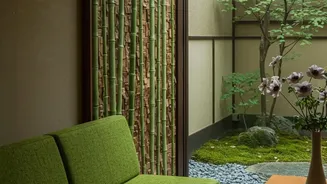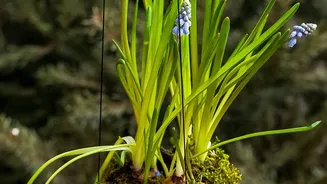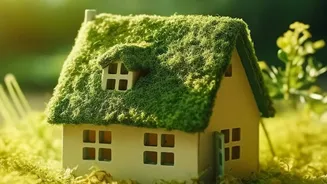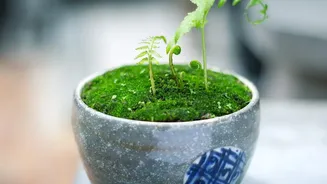


In the search for tranquility within our homes, a small moss garden offers a unique solution. It's a living piece of art, a miniature, low-maintenance landscape that brings a whisper of the forest floor to any quiet corner.
The Allure of a Miniature World
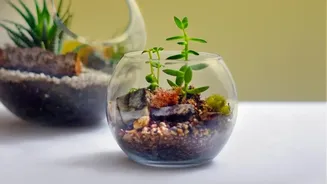
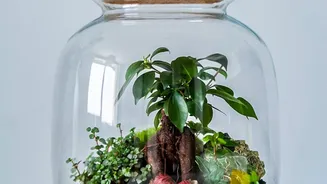
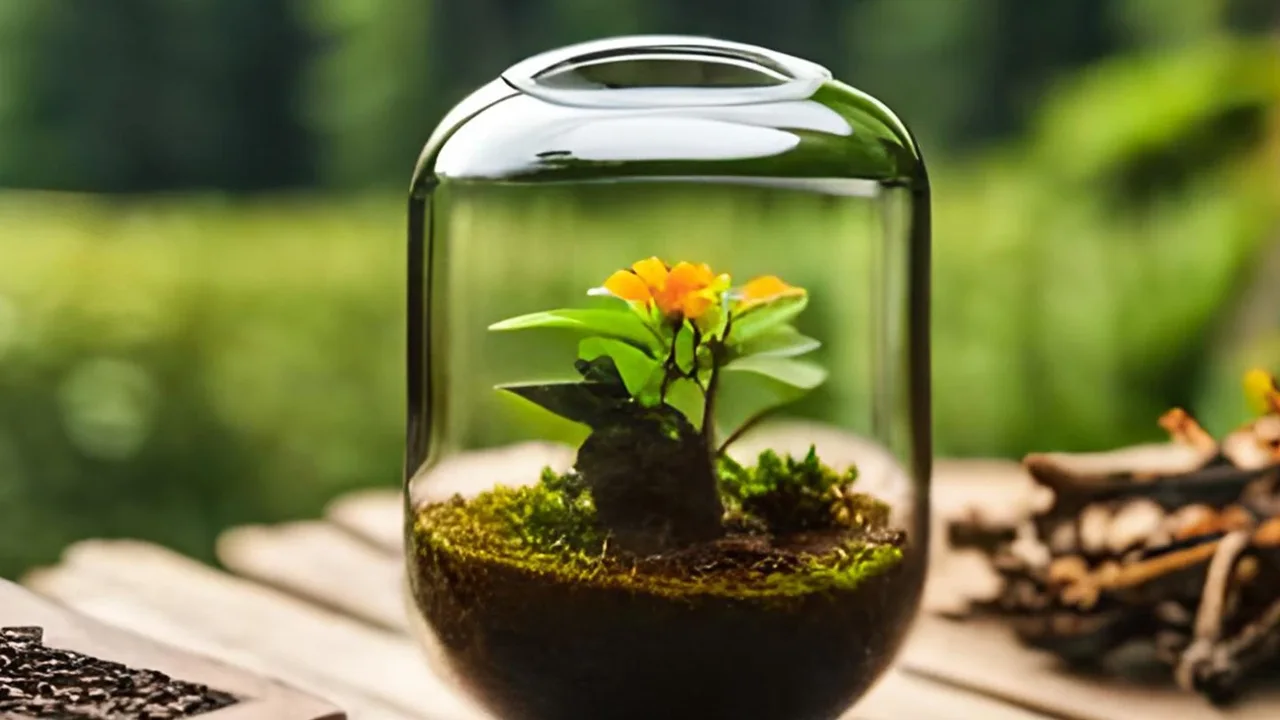
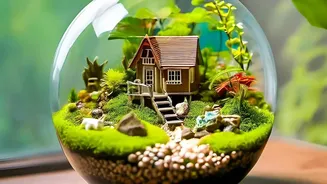
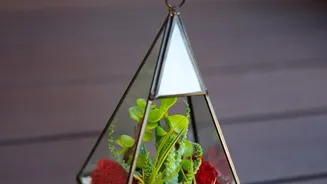
A moss garden, often housed
in a glass terrarium, is more than just a plant display; it's a tiny, self-sustaining ecosystem. Unlike many houseplants, mosses are incredibly resilient and require minimal care, making them perfect for beginners or those with busy lifestyles. They thrive in low, indirect light and high humidity, conditions easily met indoors. The benefits extend beyond aesthetics; bringing greenery inside is known to reduce stress, and some studies suggest moss can help purify the air and stabilise humidity. Creating a moss garden is also a mindful, creative activity, a chance to build a peaceful, natural scene with your own hands.
Gathering Your Supplies
Creating your own moss garden is a simple project. You will need a few basic materials to get started. First, choose a clear glass container, which can be anything from a small jar with a lid to a larger fishbowl. A lid is recommended as it helps maintain the high humidity that mosses love. For the base, you will need small pebbles or gravel for drainage, a thin layer of activated charcoal to keep things fresh, and a substrate layer like peat-free compost, coco coir, or a specialised peat moss mix. Finally, you'll need the star of the show: live moss. A spray bottle for misting and some long tweezers or chopsticks can also be very helpful for arranging your tiny landscape.
Choosing the Right Moss
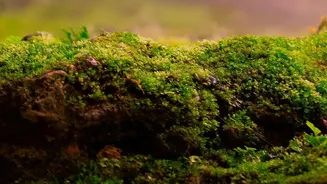
There are over 10,000 species of moss, but a few are particularly well-suited for indoor gardens. Cushion Moss, also known as Pincushion Moss, forms lovely dense, rounded mounds and is a classic choice for creating texture. Sheet Moss, like Hypnum moss, grows in flat, carpet-like layers, perfect for covering the ground. Mood Moss offers a more tousled, wild look that adds interesting texture. You can find these varieties at garden centres or from specialist online suppliers. It's best to purchase cultivated moss, as harvesting from the wild can disrupt local ecosystems.
A Step-by-Step Guide to Assembly
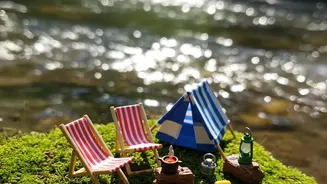
Building your miniature garden is a straightforward process. First, clean your glass container thoroughly. Begin by adding a 2–3 cm layer of pebbles or gravel for drainage. On top of this, sprinkle a thin layer of activated charcoal. Next, add your chosen substrate, like peat–free compost, creating a layer 3–5 cm deep. You can slope the soil slightly to create a more natural–looking landscape. Now, press your moss pieces gently but firmly onto the soil, ensuring good contact. Don't be afraid to break larger pieces apart to fit your design. This is your chance to get creative by adding small stones, a piece of bark, or even tiny figurines to complete your scene.
Care and Maintenance
Once assembled , your moss garden requires very little attention . Place it in a spot that receives bright , indirect light ; direct sunlight can scorch the moss . Lightly mist the moss with distilled water or rainwater right after planting . Tap water can contain minerals and chlorine that may harm the moss over time . If you are using a lidded container , this will create a self -watering cycle of evaporation and condensation . You ' ll only need to mist it when the moss looks dry or the condensation on the glass fades . If you notice too much condensation , simply remove the lid for a few hours to allow for some air circulation and prevent mould .