







Guava (Amrood)
A quintessential winter fruit, the crunchy and fragrant guava is a nutritional powerhouse. It is exceptionally rich in Vitamin C, containing much more than oranges, which is crucial for strengthening the immune system against seasonal colds and flu. Guavas
are also packed with dietary fibre, which aids digestion and helps prevent constipation, a common issue during the less active winter months. The potassium and magnesium content in guavas contribute to heart health by helping to regulate blood pressure. Its low-calorie, high-fibre nature also promotes a feeling of fullness, making it a smart snack for weight management.
Custard Apple (Sitaphal)
Known for its creamy, sweet pulp, the custard apple, or Sitaphal, is a true winter delight that peaks during the monsoon and early winter. This unique fruit is a great source of energy and is loaded with essential nutrients. It contains Vitamin B6, which is known to play a role in creating neurotransmitters that boost mood, helping to combat the winter blues. Rich in antioxidants like Vitamin C and various flavonoids, it helps protect the body from oxidative stress. Furthermore, its high fibre content supports a healthy digestive system, while the presence of potassium and magnesium is beneficial for maintaining healthy blood pressure levels.
Pomegranate (Anaar)
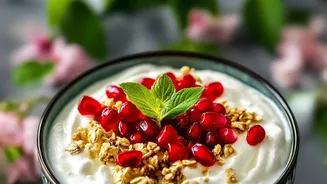
With their jewel-like seeds, pomegranates are a vibrant addition to the winter fruit basket. These fruits are celebrated for their potent antioxidants, particularly punicalagins and anthocyanins, which help protect heart health by lowering bad cholesterol and reducing blood pressure. Pomegranates are also a good source of fibre, Vitamin C, and Vitamin K. Traditionally valued in Ayurveda, they are known to improve blood circulation and haemoglobin levels. The anti-inflammatory properties can be beneficial for overall health, and the antioxidants also contribute to glowing skin by helping to fight sun damage and supporting collagen production.
Oranges (Santra)
No Indian winter is complete without the sight and scent of fresh oranges. A classic winter citrus, oranges are famous for their high Vitamin C content, a key nutrient for a robust immune system that can help fend off common colds. Beyond immunity, the fibre in oranges supports digestive health and can aid in weight management by promoting satiety. The antioxidants and flavonoids present in oranges are linked to better heart health and may help reduce the risk of chronic diseases. They also contribute to healthy, glowing skin, combating the dryness often associated with colder weather.
Indian Gooseberry (Amla)
Amla is a small, tart, and incredibly potent winter superfood. It is one of the richest known natural sources of Vitamin C, which is vital for a strong immune system. This high Vitamin C content also aids in the absorption of other nutrients like iron. Traditionally used in Ayurveda for centuries, amla is known to enhance digestion, support liver health, and promote healthy hair and skin. Its fibre content helps regulate bowel movements, and studies suggest that amla can help in managing blood sugar levels and lowering cholesterol.
Sapodilla (Chikoo)
The malty, sweet, and soft chikoo is another wonderful fruit to enjoy during the winter. It is an excellent source of natural sugars like fructose and sucrose, providing a quick and healthy energy boost on chilly days. Chikoo is rich in dietary fibre, making it great for digestive health and relieving constipation. It also contains a good amount of antioxidants, along with Vitamins A and C, which support immune function and skin health, helping to combat winter dryness. The fruit's anti-inflammatory properties are beneficial for gut health, potentially soothing conditions like gastritis.
Strawberries
Though often associated with spring elsewhere, in many parts of India, strawberries have their peak season in the winter months, from December to February. These bright red berries are packed with Vitamin C and powerful antioxidants like anthocyanins, which are great for boosting immunity and protecting skin from damage. Strawberries are also a good source of dietary fibre, which helps in digestion and can aid in regulating blood sugar levels. Their folate content is beneficial for overall wellness, and they are known to have anti-inflammatory properties that support heart health.