



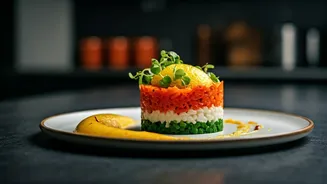


A Match Made in the Kitchen
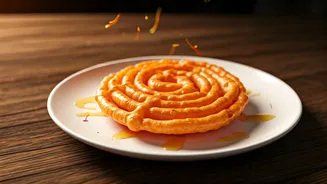
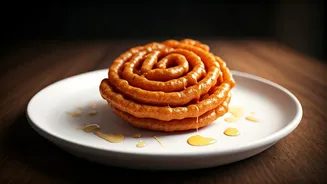
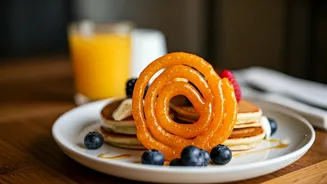
At first glance, the jalebi and the waffle occupy different corners of the culinary universe. One is a beloved Indian street-side sweet, a chaotic spiral of deep-fried batter soaked in sugar syrup, known for its tangy sweetness and chewy-crisp texture.
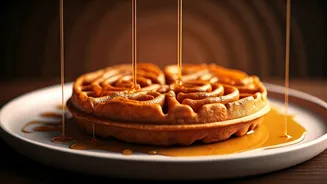
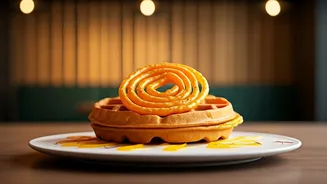
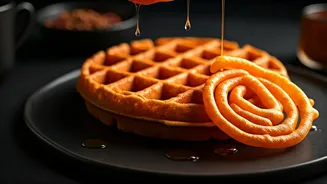
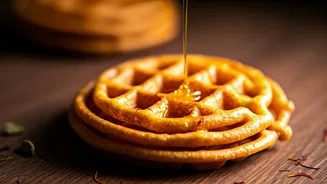
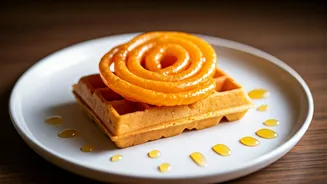
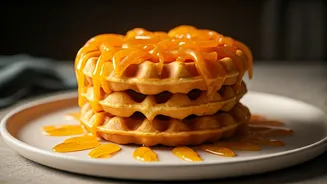
The other is a structured, Belgian-born breakfast staple, a grid of fluffy, yeasted dough, perfect for holding pools of maple syrup or butter. Bringing them together sounds audacious, yet the result is surprisingly harmonious. The Jalebi Waffle isn't just one thing; it’s a concept executed in a few brilliant ways. The most popular method involves preparing a jalebi-style fermented batter (made with maida and a hint of sourness from yoghurt) and pouring it directly into a hot waffle iron. The result is a perfectly formed waffle that carries the unmistakable DNA of a jalebi – golden, crispy, and ready to be dunked in fragrant, saffron-infused sugar syrup.
The Taste Test: Familiar and New
The magic of the Jalebi Waffle lies in its sensory experience. The waffle iron creates a larger surface area with deep pockets, resulting in a texture that’s both familiar and novel. You get the crispy exterior and fluffy interior of a waffle, but the flavour is pure jalebi. That slight tang from the fermented batter cuts through the intense sweetness of the syrup, creating a more balanced bite than a traditional jalebi might offer. Another popular take on this fusion involves a more deconstructed approach: a classic, plain waffle serves as a canvas for crumbled jalebi pieces, a generous drizzle of rabri (thickened sweet milk), and a scattering of pistachios and almonds. Here, the waffle’s mild, slightly savoury flavour provides a perfect base for the rich, complex sweetness of the toppings. It’s less a fusion and more a conversation between two desserts, where the waffle’s sturdy structure supports the decadent chaos of the jalebi and rabri, making it a spectacular brunch dish.
More Than Just a Gimmick
While it's easy to dismiss fusion food as a fleeting trend, the Jalebi Waffle represents something more significant. It’s a sign of a new confidence in the Indian culinary scene. For generations, Indian food abroad was often simplified for Western palates. At home, tradition reigned supreme. But now, a new wave of chefs and home cooks are unapologetically playing with their own heritage. They are not replacing the classic jalebi; they are re-contextualizing it. By giving it the form of a waffle, they’ve made it accessible to a new time of day—breakfast or brunch—and to a generation that grew up with both mithai from the local halwai and waffles from trendy cafes. This isn't about dilution; it's about evolution. It’s about asking, 'What if?' and creating something that honours both the past and the present.
The Rise of Modern Mithai
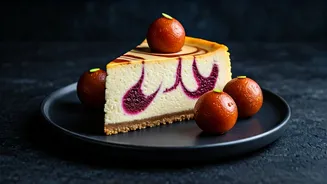
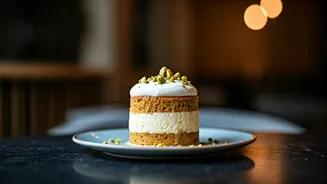
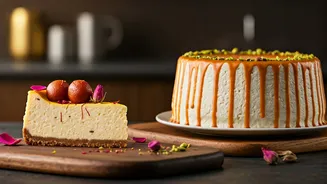
The Jalebi Waffle doesn't exist in a vacuum. It’s part of a broader, exciting movement in modern Indian desserts. Walk into any contemporary Indian restaurant or browse food-focused social media, and you’ll find a playground of creativity. Think Gulab Jamun Cheesecake, where the soft, syrupy berry meets the creamy tartness of cheesecake. Or consider Motichoor Ladoo Parfaits, layering the classic sweet with whipped cream and nuts in a fancy glass. These creations aren't about losing authenticity. They are about expanding the very definition of what an Indian dessert can be. They showcase a deep understanding of traditional flavours combined with a mastery of global techniques. This playful innovation is making Indian sweets relevant and exciting for a new audience, proving that our culinary traditions are not static relics but living, breathing entities that can adapt and delight in unexpected ways.