



The Allure of Earthen Pots
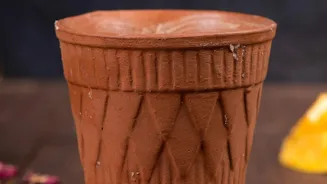
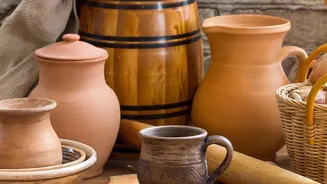
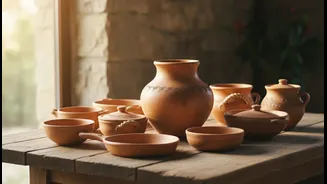
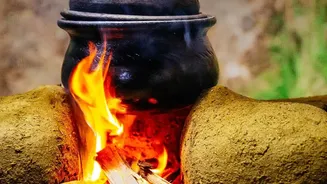
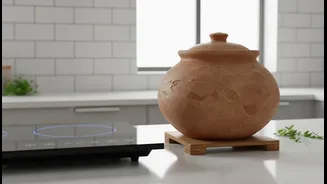
For centuries, before steel and non-stick pans filled our kitchens, clay was the primary material for cooking. Known as handi, matka, or chatti, these earthen vessels were prized for their ability to cook food slowly and evenly. Their porous nature allows
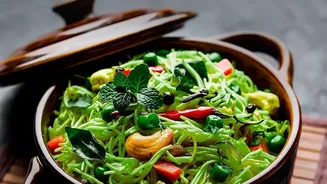
heat and moisture to circulate, which results in tender, flavourful dishes that are hard to replicate. Proponents claim this slow-cooking process not only enhances the taste and aroma of dishes like biryani, dal makhani, and fish curry but also makes them more nutritious.
The Health Claims: More Than Just Hype?
One of the most significant reasons for the revival of clay cookware is the health benefits. Unlike some modern cookware, pure, unglazed clay pots are free from synthetic chemicals like PFOA and PTFE. A key claim is that clay is naturally alkaline, which can help balance the pH of acidic foods like tomato or tamarind-based curries, potentially making them easier to digest. Furthermore, the slow and gentle heating process helps retain more nutrients. Studies suggest that while metal cookware can destroy delicate vitamins with high heat, clay pots preserve them more effectively. Some even say the pots can enrich food with minerals like calcium and iron, though this contribution is considered minimal.
The Practical Reality: It’s Not All Rosy
While the benefits are compelling, using clay cookware daily comes with challenges. The most obvious is their fragility; a dropped pot is a broken pot. They are also sensitive to sudden temperature changes, meaning you can't take a hot pot and place it on a cold surface or wash it with cold water, as it may crack. Clay pots heat up slowly, which isn't ideal when you're in a hurry. Maintenance is another major consideration. You cannot use harsh soaps or detergents, as the porous clay will absorb the chemicals and leach them into your next meal. They must be scrubbed gently and dried thoroughly to prevent mould.
Choosing Your Pot: A Buyer's Guide
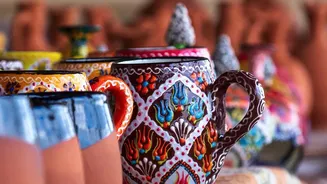
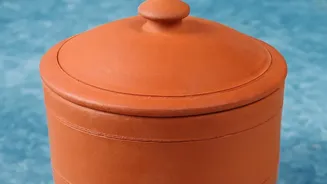
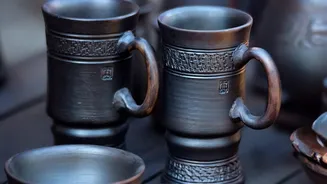
If you decide to take the plunge, choosing the right pot is crucial. The safest and most traditional option is an unglazed clay pot, which is free of chemical coatings. Glazed pots are easier to clean but can be risky, as low-quality glazes may contain lead or other harmful substances that can leach into food. Always buy from a reputable vendor who can verify the source and safety of the clay. When buying, check for a heavy, thick pot. A light knock should produce a clear, ringing sound, not a dull thud. Black clay pots, which are fired for a longer duration, are often considered more durable than the common brown terracotta ones.
Seasoning and Care for a Long Life
Before its first use, a clay pot must be seasoned. This process strengthens the pot and prevents food from sticking. A common method involves soaking the pot in water for several hours or even a full day, allowing it to absorb moisture. Afterwards, it's often scrubbed, dried, and sometimes rubbed with oil. Some traditional methods involve soaking it in starch water (from cooked rice) for a few days. For cleaning, avoid soap. Use a soft brush with warm water and baking soda for tough stains. Always let the pot cool down completely before washing and ensure it is bone-dry before storing to avoid any fungal growth.