






Understanding Your Body’s ‘Second Circulatory System’
Before diving into the walk itself, it helps to understand the lymphatic system. Think of it as your body's dedicated cleaning crew and security team rolled into one. Unlike the cardiovascular system, which has the heart as a powerful pump, the lymphatic system is
passive. It's a vast network of vessels and nodes that transports a clear fluid called lymph, which contains infection-fighting white blood cells. This system is crucial for clearing toxins, waste, and excess fluid from tissues, and plays a central role in immune function. Because it lacks a central pump, it relies on other forces to keep the lymph moving—namely, deep breathing and the contraction of your muscles. This is where movement becomes essential.
What is Lymphatic Walking?
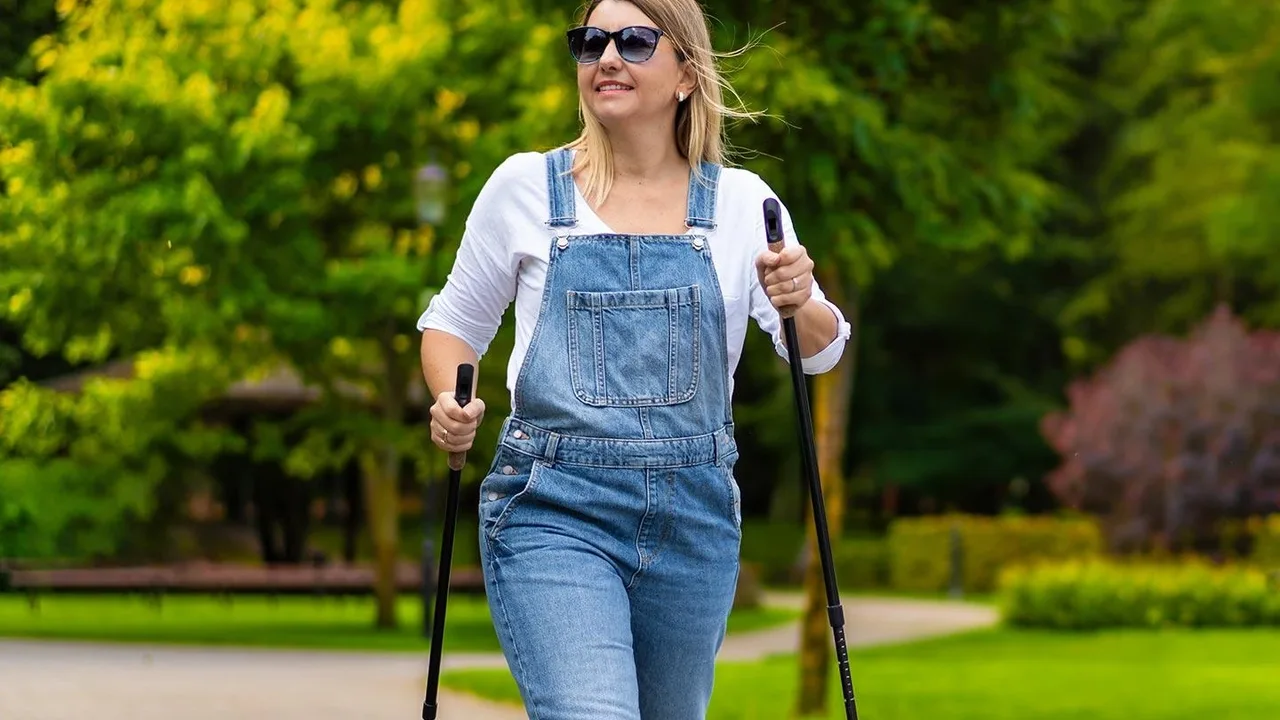
Lymphatic walking isn't a high-intensity workout but rather a mindful, rhythmic, and gentle form of walking. The goal is to maximize the natural pumping action of your muscles to stimulate lymph flow. Any type of walking helps contract the muscles, especially in the calves, which pushes lymph fluid up from the legs. However, lymphatic walking adds specific, intentional elements to enhance this effect. It’s less about speed or distance and more about the quality and rhythm of your movement. It combines posture, deliberate foot strikes, coordinated arm swings, and deep, diaphragmatic breathing to create a full-body pulse that effectively gets the lymphatic fluid circulating.
The Technique: How to Do It
Practicing lymphatic walking is simple and can be integrated into your daily stroll. Focus on these key elements:
1. Breathe Deeply: Start with diaphragmatic, or belly, breathing. As you inhale, let your stomach expand, and as you exhale, gently contract your abdominal muscles. This deep breathing pattern acts as a powerful pump for the thoracic duct, the largest lymphatic vessel in the body.
2. Find Your Rhythm: Walk at a steady, comfortable pace. The consistency of rhythmic movement is more important than speed for stimulating the lymphatic system.
3. Engage Your Feet and Calves: As you walk, focus on a “heel-toe” motion. Land on your heel and consciously roll through your foot to push off from your toes. This rolling motion maximizes the contraction of your calf muscles, often called the body's 'second heart' for their role in pumping fluid upward.
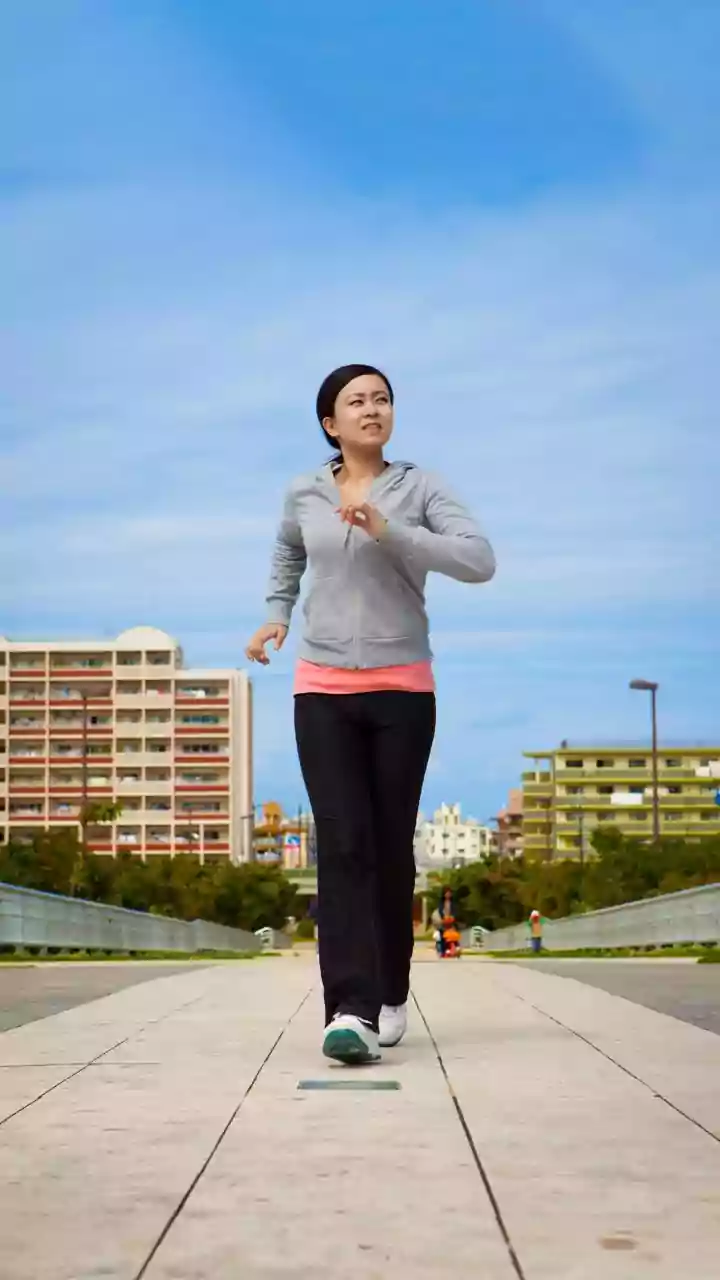
4. Pump Your Arms: Bend your elbows at a 90-degree angle and swing your arms forward and back, not across your body. This movement helps stimulate the major lymph nodes located in the armpits.
5. Maintain Good Posture: Keep your spine tall and shoulders relaxed and back. This prevents constriction in the chest and abdomen, allowing fluid to move more freely.
The Benefits of a Rhythmic Stroll
The primary benefit of this intentional walking style is enhanced lymphatic drainage. Improved flow helps reduce fluid retention, which can manifest as puffiness or swelling, particularly in the legs and ankles. By supporting this system, you are also boosting your immune response, as lymph is essential for transporting white blood cells to fight off pathogens. Regular practice can lead to reduced inflammation, better detoxification, and an overall feeling of lightness and energy. Many proponents find it's a more calming and less stressful form of exercise, as the focus is on gentle, deliberate movement rather than pushing for intense performance.
Is It Better Than Regular Walking?
Lymphatic walking shouldn't be seen as a replacement for your regular walks, but rather an enhancement. Any form of walking is beneficial for your lymphatic system because it involves muscle contractions. However, if you often feel sluggish, puffy, or are looking for a low-impact way to support your body's detoxification processes, incorporating the specific techniques of lymphatic walking can provide added benefits. It reframes the goal of a walk from simply burning calories or hitting a step count to actively supporting a vital internal system. Consistency is key; even a 15-20 minute rhythmic walk each day can make a significant difference.