








A New National Pastime After Dark
Across India's cities, the traditional 9 p.m. dinner time is becoming a thing of the past for many. A significant cultural shift is underway, fuelled by digital convenience and changing lifestyles. Food delivery platforms and restaurants are reporting
a massive surge in orders placed well after midnight, a trend that has doubled over the past year. Recent data shows a 12-15% jump in demand for deliveries between 11 p.m. and 3 a.m., a spike partly attributed to global sporting events like the FIFA World Cup, which keeps fans awake at odd hours. However, this isn't just a seasonal phenomenon. It's a reflection of a deeper change in the sleep and work schedules of young India, with many now staying awake until 2 or 3 a.m. on a regular basis. This has effectively created a new, lucrative market for what some are calling the 'fourth meal.'
Meet the Midnight Munchers
So, who is ordering food at these unconventional hours? The demand is largely driven by a young, urban demographic. This includes students preparing for exams, professionals in the IT and BPO sectors working late shifts, and a booming population of online gamers. For this generation, which treats midnight as primetime, convenience is paramount. Food delivery apps have become an integral part of their lifestyle, offering a solution for late-night hunger pangs that were previously met with limited options. This consumer base, comprised heavily of Gen Z and younger millennials, often views food not just as sustenance, but as a form of entertainment and self-expression. They are driving what marketers call 'visual craving'—the desire to eat something after seeing it on social media, no matter the hour.
The Late-Night Menu
When hunger strikes after midnight, comfort food is king. Data from platforms like Swiggy and Zomato consistently reveals that pizzas and burgers are among the most ordered items. Perennial favourites like biryani, chicken rolls, and noodles also feature heavily on the late-night list. Desserts have carved out a significant niche, with items like choco lava cake and ice cream seeing a huge demand. This trend of 'affordable indulgence' allows consumers to treat themselves after a long day without the commitment of a full meal. These food choices highlight a preference for familiar, satisfying, and often shareable meals that cater to both solo diners and groups enjoying a late-night movie or game.
The 24/7 Food Ecosystem
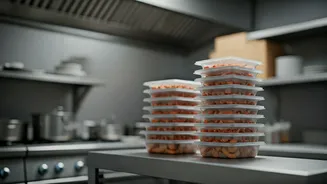
This boom in demand has given rise to a robust backend ecosystem designed to operate while the city sleeps. Cloud kitchens, which are delivery-only establishments, are at the forefront of this revolution. Many of these kitchens find that late-night sales now constitute a significant portion of their business, sometimes as much as lunchtime orders. Major quick-service restaurant (QSR) chains like McDonald's and Domino's have also extended their operating hours, with some outlets now delivering until 3 a.m. or even later. This has allowed them to better utilize their assets and tap into a new revenue stream. However, this 24/7 model presents logistical challenges, including managing staff for night shifts and ensuring a sufficient number of delivery partners are available during these off-peak hours.
Beyond the Big Cities
While metropolitan hubs like Bengaluru, Hyderabad, and Mumbai lead the charge in late-night orders, the trend is rapidly spreading to Tier-2 and Tier-3 cities. Emerging markets such as Surat, Thiruvananthapuram, and Patna are showing strong growth in this segment. This expansion indicates that the shift towards a convenience-led, 24/7 consumption culture is a nationwide phenomenon, not just a metro-centric one. As digital penetration deepens and lifestyles across the country continue to evolve, the after-dark delivery economy is poised for further growth, making late-night ordering a permanent fixture on India's food map.