





The Connectivity Question: Internet Reliability
The biggest question for any digital nomad is always about the internet. For years, Himalayan workations were hampered by unreliable connections, but Gangtok has made significant strides. The city now has access to fibre broadband from major providers
like Jio and Airtel, offering stable, high-speed internet that can handle video calls, large file transfers, and streaming. Within the main city areas, 4G mobile connectivity from both Airtel and Jio is also robust and dependable, providing a solid alternative. However, it's crucial to be realistic. While 5G is technically available, its coverage can be patchy and inconsistent, often strong in one spot but weak just a few feet away. Power cuts, though less frequent than in the past, can happen, especially during monsoon thunderstorms. The golden rule for a successful work setup in Gangtok is redundancy. Ensure your accommodation has a reliable broadband connection and always have a mobile data dongle or a capable phone hotspot as a backup.
High-Altitude Headquarters: Co-working Hubs
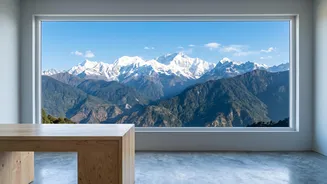
The rise of dedicated co-working spaces has been a game-changer for Gangtok's remote work scene. No longer limited to homestay desks, professionals can now access formal office environments. Sanctorum, the city's first major coworking space, is designed specifically for digital nomads and travelling creatives. It provides fibre WiFi, private meeting rooms, and a professional atmosphere, with options for both monthly memberships and day passes. Other providers like MyBranch also offer serviced office solutions and flexible desk rentals in prime locations. These hubs are invaluable, offering not just reliable infrastructure but also a community of like-minded professionals. For those who need a guaranteed quiet space, robust internet, and power backup, booking a desk at a co-working space is the most secure way to ensure productivity remains high while enjoying the mountain setting.
The Cafe Circuit: Your Office with a View
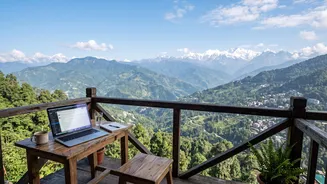
For those who prefer a more casual work environment, Gangtok’s vibrant cafe culture offers plenty of options. Many establishments are welcoming to laptop-wielding patrons, offering Wi-Fi, power sockets, and excellent coffee. Cafe Fiction, located within the popular Rachna Books, is a well-known spot for working quietly amidst a literary atmosphere. Tagalong Cafe is another favourite, known for good food and a reliable 50 Mbps Wi-Fi connection. Other highly recommended options include The Bike Cafe, which has previously offered very high-speed internet, and Cafe Royale, praised for its good connection and well-priced food. While most cafes are accommodating, it's always good practice to order consistently and be mindful of taking up a large table during peak lunch hours. Some smaller cafes may have slower connections or be less suited for long work sessions, so it's worth exploring a few to find your perfect fit.
Finding Your Base: Accommodation for Remote Workers
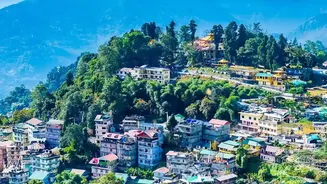
Where you stay can make or break your workation experience. Thankfully, Gangtok offers a wide range of long-stay options. Many homestays now specifically cater to digital nomads, advertising monthly packages that include Wi-Fi and meals, providing an immersive and cost-effective experience. Platforms like Airbnb are also a great resource for finding fully furnished apartments and lofts with dedicated workspaces, often available at discounted monthly rates. For those on a tighter budget or seeking a more social environment, hostels such as Tagalong Backpackers are popular choices, offering a blend of community and work-friendly amenities. When booking, it is essential to confirm the type and reliability of the internet connection with your host. Key areas to consider for rentals include Development Area, Deorali, and locations near MG Marg for easy access to cafes and services.
Balancing the Books and The Beyond
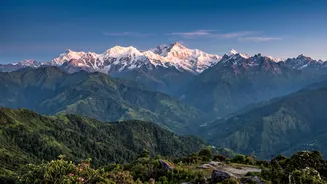
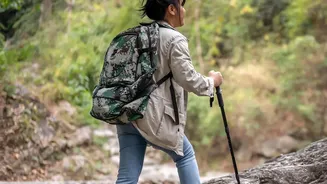
While Gangtok is more affordable than major metro cities, it's important to budget realistically. As a hill station, the cost of some necessities and transportation can be slightly higher than in the plains. A solo remote worker can live comfortably, with rent for a decent 1-BHK apartment potentially starting around ₹10,000-₹15,000 per month, though this can vary based on location and amenities. A meal for two at a mid-range restaurant might cost about ₹1,100. The best time to plan your workation is during the pleasant weather months from March to June and September to November. Remember, the real reward of working from Gangtok lies beyond the screen. Make time to explore the monasteries, trek the surrounding trails, and immerse yourself in the unique local culture. This balance is what transforms a remote work trip into a truly rejuvenating experience.