



The Meaning of Culinary Confidence
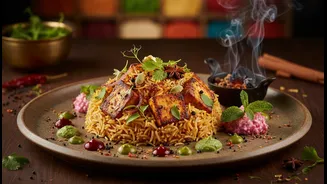
Culinary confidence isn't about fusion or refinement; it’s the courage to present food in its most honest form. Bihari cuisine is the perfect embodiment of this. It's a food culture built on seasonality, tradition, and robust flavours that don't pander
to a generic palate. The generous use of pungent mustard oil, the smoky char from slow-roasting over fires, and the earthy notes of sattu (roasted gram flour) are non-negotiable. Consider its most famous dish, Litti Chokha. The litti, a whole wheat ball stuffed with spiced sattu, is traditionally roasted over embers and then lovingly dunked in ghee. The accompanying chokha—a mash of roasted eggplant, potatoes, and tomatoes with raw onion and mustard oil—is rustic and intensely flavourful. This isn't a dish that apologises for its strength; it announces it proudly.
The Problem with the 'Pan-Indian' Menu
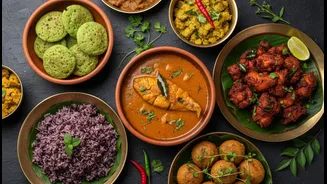
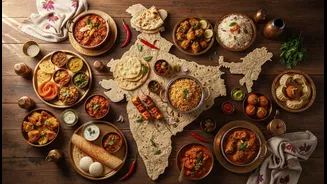
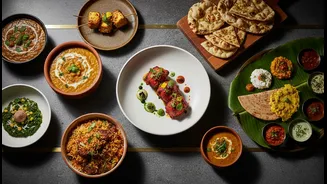
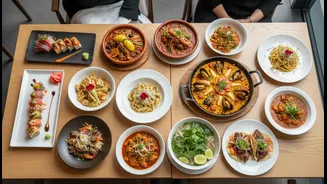
In an effort to please everyone, many metropolitan restaurants have created a homogenous menu that blunts the sharp, distinct edges of regional Indian food. You’ll find the usual suspects: a creamy butter chicken, a standard dal makhani, and perhaps a Goan fish curry. While delicious, this approach often strips dishes of their authentic character, creating a muted, predictable experience. The confidence to serve a dish with its traditional, perhaps polarizing, flavours is often lost to commercial appeal. It's a missed opportunity to educate and excite diners about the true diversity of India's culinary landscape, which extends far beyond a few well-known staples. This is where the underrepresentation of cuisines like Bihari becomes a stark example of a larger caution in the culinary world.
Beyond Litti: A World of Flavour
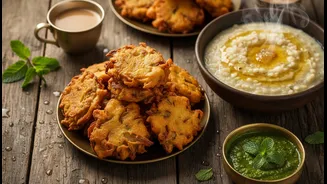
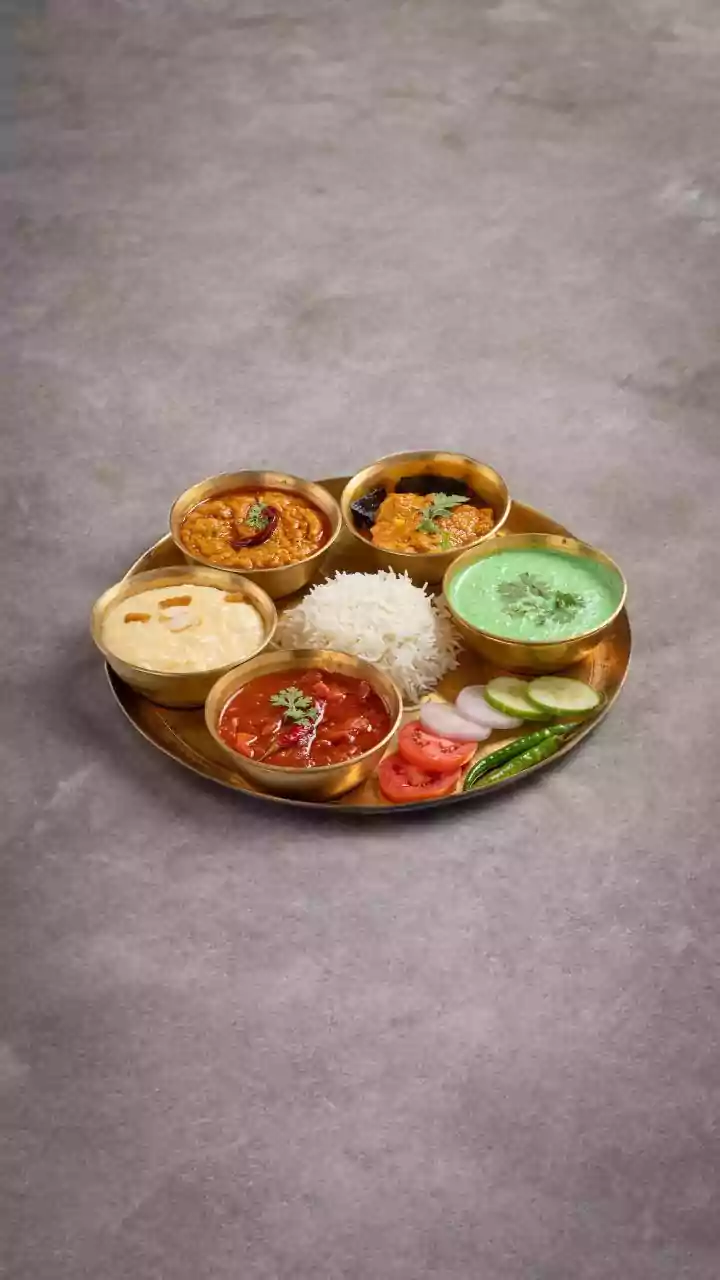
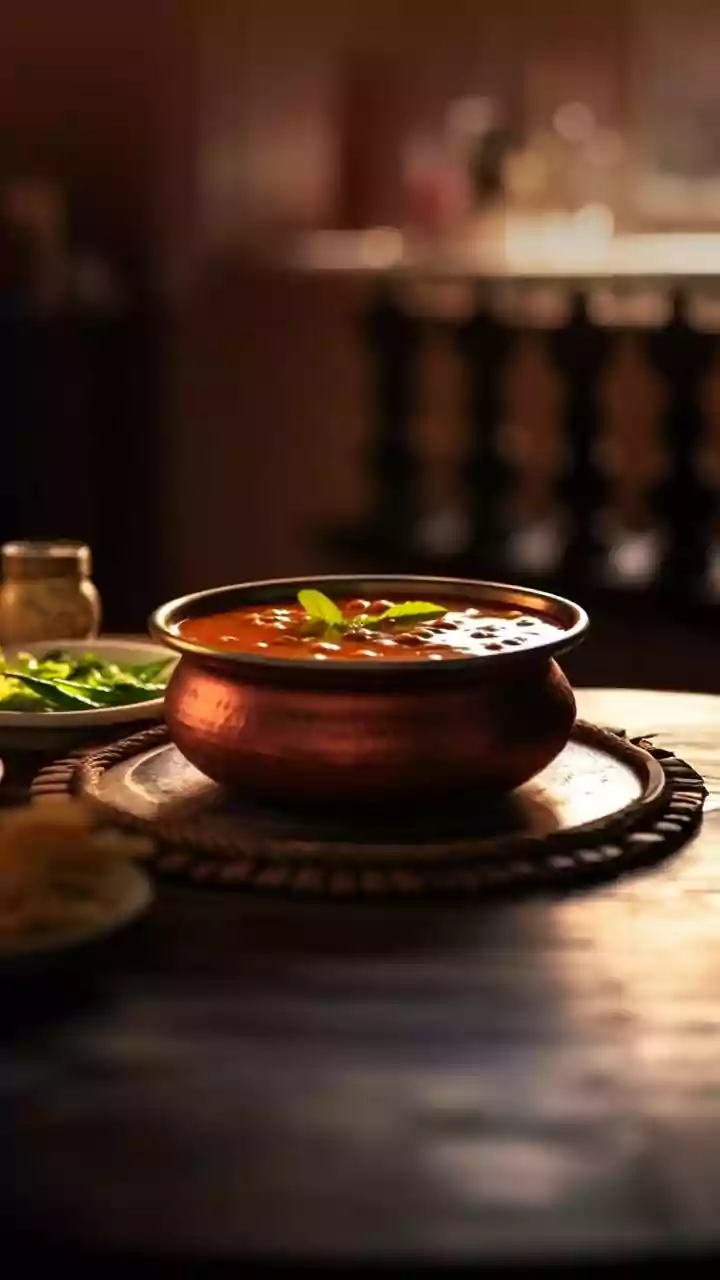
To reduce Bihari cuisine to just Litti Chokha is to do it a great disservice. The region offers a vast and varied menu that is both delicious and often inherently healthy, favouring techniques like steaming and roasting. There's Dal Pitha, delicate steamed rice flour dumplings filled with spiced lentils, which can be thought of as a Bihari take on a dumpling. Chana Ghugni, a simple yet hearty black chickpea curry, is a beloved snack and breakfast dish. For meat lovers, there’s the legendary Champaran Meat, slow-cooked in a sealed earthen pot with a bold mix of whole spices until impossibly tender. On the sweeter side, Thekua, a crunchy deep-fried biscuit made with wheat flour and jaggery, is a festive staple, especially during Chhath Puja. Each dish tells a story of place, season, and tradition.
A Call for Authentic Representation
The argument for Bihari food on city menus is not just about one state; it's a call to embrace the full spectrum of India’s regional cuisines. From the complex flavours of the Northeast to the subtle dishes of Chhattisgarh, countless culinary traditions remain largely absent from the mainstream restaurant scene. Chefs and restaurateurs have a powerful role to play in shifting this narrative. Instead of diluting regional recipes for a wider audience, they can champion them. By having the confidence to serve authentic, unapologetic food, they can introduce diners to new worlds of flavour. The growing interest in regional and authentic food suggests that audiences are ready. The success of niche restaurants dedicated to specific regional cuisines is a testament to this growing appetite for authenticity.