

Why August is Critical for Your Plant's Roots
The Indian monsoon creates a paradox for plants. While the rain fuels rapid growth, it also brings challenges that start below the soil. Constant moisture, high humidity, and cloudy days can lead to waterlogged soil, which deprives roots of the oxygen
they need to survive. This creates the perfect breeding ground for fungal diseases and the dreaded root rot, a condition where roots begin to decay, losing their ability to absorb water and nutrients. August, being a period of intense rain, is when gardens are most vulnerable to these hidden problems. Therefore, focusing on drainage and root care is more important than ever.
Master the Art of Monsoon Watering
The most common mistake gardeners make during the rainy season is overwatering. Just because the topsoil looks dry does not mean the plant is thirsty. Before reaching for the watering can, always check the soil moisture 2-3 centimetres deep. If it feels damp, hold off. Potted plants, especially those in non-porous containers, are prone to waterlogging. Ensure every pot has clear drainage holes and empty any saucers that collect rainwater. Elevating pots on stands or bricks is a simple but highly effective way to improve airflow and prevent them from sitting in stagnant water.
Improve Soil Aeration and Drainage
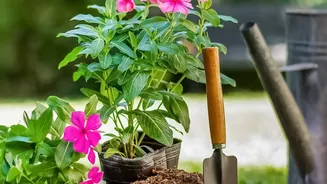
Healthy roots need to breathe. Heavy monsoon rains can compact garden soil, squeezing out air pockets and suffocating roots. The solution is to create a more porous, well-draining soil mix. For container gardens, combining regular soil with compost and materials like cocopeat or sand improves aeration significantly. If you notice your soil has become hard, gently loosen the top 2-3 centimetres with a hand fork, being careful not to disturb the roots. This simple act helps air penetrate the soil, allowing it to dry faster and function better.
Rethink Your Fertilizing Strategy
Heavy rains don't just add water; they also wash away essential nutrients from the soil, a process called leaching. While it might seem logical to fertilize more, plants actually require lighter feeding during the monsoon because cloudy weather slows their growth. The goal is to replenish lost nutrients wisely. Opt for slow-release organic fertilizers like vermicompost, which provide a steady supply of nutrients without overwhelming the roots. Avoid heavy nitrogen fertilizers, as they encourage soft, weak growth that is more susceptible to fungal diseases in the humid weather. A light application every three to four weeks is generally sufficient.
Strategic Pruning and Mulching
Light pruning during August can indirectly benefit root health. By removing dead, damaged, or yellowing leaves, you improve air circulation and reduce the risk of fungal infections spreading. This also allows the plant to redirect its energy from maintaining unhealthy foliage to strengthening its root system. Additionally, applying a thin layer of organic mulch like dry leaves or wood chips can be beneficial. Mulch helps regulate soil moisture and prevents soil erosion from heavy downpours. However, avoid applying it too close to the plant's stem, as this can trap moisture and encourage rot.