
The Power of a Natural Palette
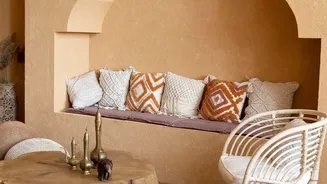
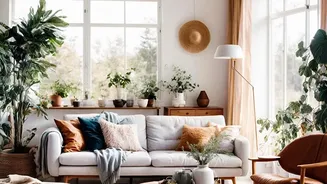
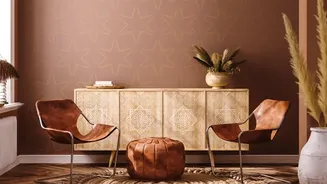
Forget stark whites that can feel clinical. An earthy colour palette, rooted in nature, brings warmth and sophistication that can visually expand a room. Shades like terracotta, sage green, warm beige, and soft ochre create a calming backdrop. These hues
have a grounding effect, making a space feel more like a sanctuary. For smaller spaces, the key is to use lighter variations of these tones on walls to maximise light reflection, while introducing richer, deeper earth tones through accents like cushions, throws, or a single piece of art. This strategy adds depth and character without overwhelming the space or making it feel enclosed.
Embrace Natural Materials and Textures
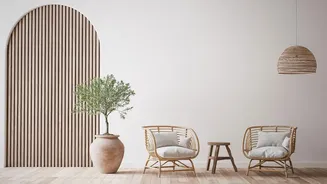
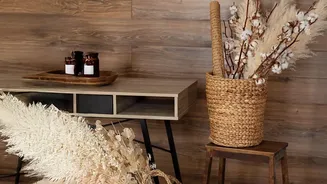
One of the cornerstones of earthy design is the use of authentic, natural materials. Think beyond just aesthetics; these materials add tactile richness that synthetic alternatives can't replicate. In a small home, incorporating varied textures is a clever way to create visual interest without adding clutter. Consider materials like wood, rattan, cane, jute, and linen. A jute rug can define a living area, linen curtains can soften window frames while letting light filter through, and a wooden coffee table can serve as a warm, organic centrepiece. In India, materials like terracotta, teak, and bamboo are not only beautiful but also culturally familiar and well-suited to the climate.
Maximise Light and Organic Forms
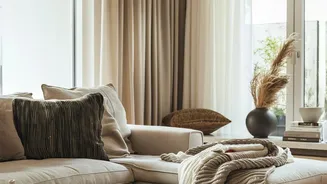
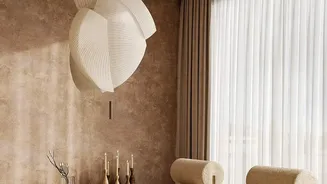
Natural light is a small space's best friend, and an earthy design philosophy enhances it. Use sheer curtains made of natural fibres like cotton or linen to allow daylight to flood in. Strategic placement of mirrors can also reflect light and create an illusion of greater depth. When it comes to furniture and decor, favour organic shapes over rigid, hard lines. Curved sofas, rounded tables, and handcrafted pottery with subtle imperfections can soften the sharp corners of a small room, improving the flow and making the space feel more fluid and inviting. This approach, sometimes linked to the Wabi-Sabi philosophy, finds beauty in imperfection and adds a layer of authenticity.
Bring the Outdoors In
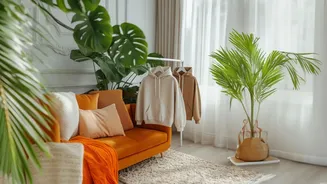
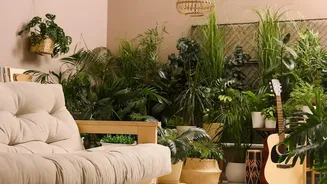
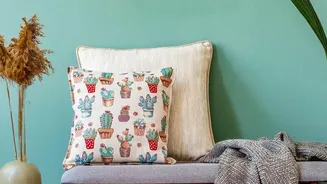
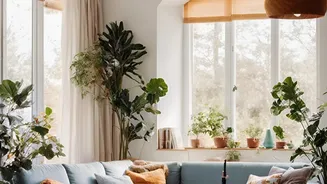
The most direct way to channel an earthy vibe is to incorporate living elements. Indoor plants are essential for this design style, acting as natural air purifiers and mood boosters. Even in a small apartment, a few well-placed plants can make a significant difference. Consider a large fiddle-leaf fig in a corner, a trailing pothos on a bookshelf, or a cluster of small succulents on a windowsill. Botanical prints on textiles or artwork can also echo this connection to nature. This principle, known as biophilic design, is about intentionally creating a link between your indoor environment and the natural world, which is known to reduce stress.
Curate with Intention
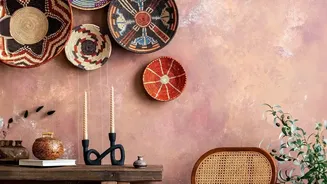
Earthy design encourages a mindset of mindful curation over maximalism, which is a perfect match for small-space living. The focus is on surrounding yourself with pieces that are both beautiful and functional. Instead of filling every surface, this style celebrates negative space, allowing key pieces to breathe. Opt for furniture with built-in storage to keep clutter at bay. Choose decorative items with a story, such as artisan-made ceramics, a handwoven wall hanging, or a unique piece of reclaimed wood. This intentional approach ensures that even in a limited area, the home feels personal, calm, and uncluttered, rather than simply full.