






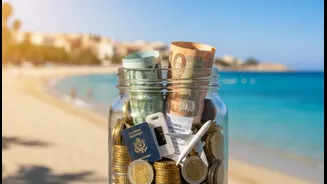


The Psychology of Small Spends
Committing to a single, expensive vacation forces a moment of serious financial consideration. You see the large total, and you plan for it meticulously. A dozen smaller trips, however, fly under the psychological radar. Research shows it’s mentally easier
to justify many small purchases than one large one, even if they add up to the same amount. This is the “death by a thousand cuts” effect on your travel fund. Each booking, meal, or taxi fare feels insignificant on its own, a small 'treat'. This makes it easy to lose track and overspend without realising it until the credit card statement arrives.
The Hidden Costs That Multiply
One big trip means one set of round-trip flights, one major accommodation booking, and one round of airport transfers. Multiple trips mean multiplying these fixed costs. Every short holiday comes with its own set of potential budget-busters: airline baggage fees, seat selection charges, and rental car add-ons. Hotels often add resort or 'destination' fees per night, which can significantly inflate the cost of a short stay. Then there are vacation rental cleaning fees, which can sometimes cost more than a single night's stay. These costs, which you might absorb once in a big trip, are repeated with every new getaway, steadily chipping away at your overall budget.
The 'It's Just a Weekend' Mindset
When you're away for just a couple of days, there's a powerful temptation to splurge. The logic feels sound: “It’s only a short trip, I might as well enjoy it.” This often translates into dining out for every meal, opting for expensive tours, and indulging in impulse shopping because the time feels limited and precious. On a longer trip, you naturally settle into a more sustainable rhythm, likely cooking some meals yourself or seeking out more varied, budget-friendly activities. For short trips, this 'all-or-nothing' approach means your per-day spending can be significantly higher than on a longer holiday where you pace yourself.
Building a Framework for Financial Discipline
The solution isn't to give up on the joy of frequent breaks, but to impose the same rigour you would for a major trip. Start by creating an annual travel fund. Decide on a total amount you’re comfortable spending on travel for the entire year and set it aside, perhaps in a dedicated savings account to avoid temptation. This forces you to view your travel spending as a whole, rather than a series of unrelated expenses. From this master budget, you can then allocate 'mini-budgets' for each trip you hope to take. Seeing that a weekend splurge in one month directly impacts your ability to take another trip later in the year is a powerful motivator for staying on track.
Practical Tips for Staying on Track
To make your annual travel fund last, discipline is key. First, plan ahead. Last-minute bookings for flights and hotels almost always cost more. Second, track your spending diligently on each trip using an app or a simple notebook; this makes you accountable for every purchase. Third, combat the multiplier effect of hidden costs. Pack light to avoid baggage fees, bring a reusable water bottle and snacks to skip inflated airport prices, and always read the fine print on hotel and car rental bookings to spot extra charges. Finally, for each mini-trip, give yourself a daily spending limit for food and activities to prevent the 'it's just a weekend' mindset from derailing your budget.