




More Than Just a Fasting Flour
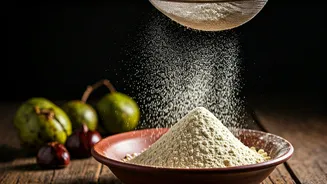
For many, water chestnut flour, or singhara ka atta, is synonymous with religious fasting, especially during Navratri. It’s the key ingredient for the light, fluffy puris and crispy pakoras that make up a traditional vrat ka khana (fasting meal). However,
its growing popularity during the monsoon has little to do with religious observance and everything to do with ancient wisdom and modern wellness trends. This nutty, slightly sweet flour is derived from dried, ground water chestnuts, which aren't nuts at all but aquatic vegetables that grow in marshes. This distinction is key to understanding its unique properties and why it’s perfectly suited for the damp, sluggish days of the rainy season.
Ayurvedic Wisdom for Monsoon Wellness
Traditionally, Ayurveda views the monsoon as a period when our digestive fire (agni) is at its weakest. The high humidity and overcast skies are believed to slow down our metabolism, making us more susceptible to indigestion and water-borne illnesses. Consequently, Ayurvedic tradition recommends a diet of light, warm, and easily digestible foods. This is where singhara ka atta shines. Being naturally gluten-free and light on the stomach, it offers a nourishing alternative to heavy, wheat-based flours that can feel taxing on the digestive system during this season. It provides energy without the bloat, making it an ideal choice for the comforting fried snacks we all crave when it rains.
A Nutrient-Dense Powerhouse
Beyond traditional beliefs, modern nutrition backs the benefits of water chestnut flour. It is inherently gluten-free, making it an excellent choice for individuals with celiac disease or gluten sensitivity. But its advantages don’t stop there. It's a good source of potassium, which helps counteract the effects of sodium and can aid in managing blood pressure—a common concern in modern diets. Furthermore, it is rich in antioxidants, which combat oxidative stress in the body. It also contains a decent amount of dietary fibre, which promotes gut health and aids in keeping you full, preventing the overindulgence in unhealthy snacks that often accompanies gloomy weather.
From Pakoras to Pancakes
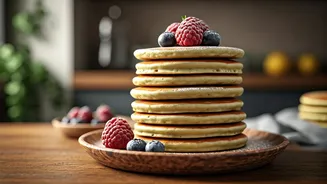
The versatility of water chestnut flour is another reason for its rising popularity. While singhara ke pakore (fritters) and puris are timeless classics, creative home cooks are finding new ways to incorporate this flour into their daily meals. Its excellent binding properties make it a great thickening agent for soups and gravies, adding a subtle, earthy flavour. You can use it to make a simple chilla or crepe, topped with fresh herbs and chutneys for a quick and healthy breakfast. It’s also being used to bake gluten-free cakes, cookies, and even pancakes. Mixing it with other flours like amaranth (rajgira) or buckwheat (kuttu) can create complex flavours and textures for a variety of dishes.
How to Get Started
Ready to give it a try? Water chestnut flour is readily available in most Indian grocery stores and online. Look for a finely milled, creamy white powder. Since it's gluten-free, it behaves differently from wheat flour. It absorbs more water, so you might need to adjust liquid quantities in your recipes. A simple way to start is by making a batter for pakoras: mix the flour with water, salt, a pinch of carom seeds (ajwain) for digestion, and your favourite chopped vegetables like onions or potatoes. Fry spoonfuls in hot oil until golden brown and serve with mint chutney. It's a taste of tradition, perfectly remixed for the modern monsoon kitchen.