






A Season of National Contrasts
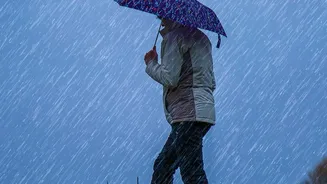
The 2026 southwest monsoon has been a story of unpredictability, officially ending with a significant rainfall deficit across the country, partly influenced by a strengthening El Niño weather pattern. As of mid-September, the all-India deficit stood at around
13-15%, with many regions, including Kerala and parts of the northwest, receiving less rain than average. Paradoxically, the monsoon's withdrawal has been marked by sharp, localized downpours in some areas, including the Himalayan foothills. This combination of a drier-than-normal season followed by a wet exit has direct implications for the upcoming winter. Experts also suggest the powerful El Niño could lead to a warmer-than-average winter with potentially less snowfall in northern India, adding another layer of complexity for travel planning.
The Himalayas: Snow Hopes and Landslide Risks
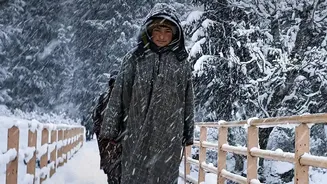
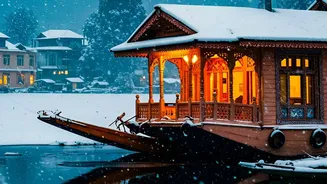
For those planning a trip to the mountains, the current conditions present a double-edged sword. On one hand, recent heavy rains and even early-season snowfall in high-altitude areas of Himachal Pradesh and Uttarakhand have thrilled winter sports enthusiasts and those hoping for a white Christmas. This late moisture could contribute to a healthy snowpack. However, the downside is significant. The same rains that brought snow to the peaks have saturated the soil on lower slopes. This increases the risk of landslides and road blockages, which can persist even after the rain stops. As of mid-September, dozens of roads in Himachal were reported blocked due to rain and debris. Key arteries leading to popular destinations like Shimla, Manali, and the Char Dham Yatra routes have faced intermittent closures throughout the late monsoon. Travellers heading to the hills should prioritise daylight driving, build extra buffer days into their itineraries, and diligently check road status from official sources before starting their journey.
South India: Green Landscapes and Pleasant Weather
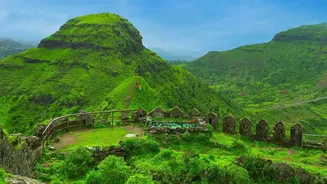
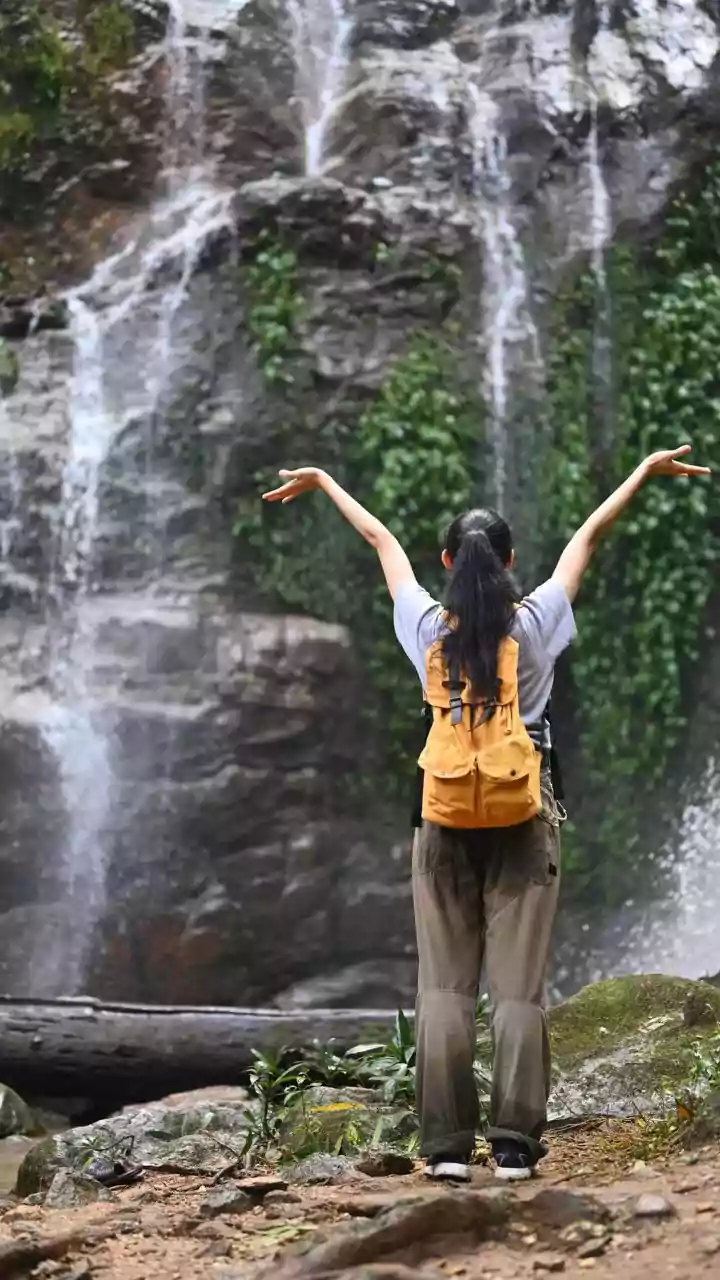
Destinations in the south, particularly Kerala and Goa, are entering their prime tourist season from October onwards. Both states recorded a monsoon rainfall deficit in 2026, which may mean that some waterfalls and backwaters are not as full as they would be after a bountiful season. However, this is unlikely to detract from the region's appeal. The post-monsoon landscape will still be lush and vibrantly green. The primary draw for winter travel to the south is the weather, which is expected to be clear, cool, and comfortable, making it ideal for exploring beaches, cruising the backwaters of Alleppey, or trekking in the hills of Munnar and Wayanad. While the monsoon's performance was subpar, it has done enough to replenish the region's natural beauty, setting the stage for a pleasant and picturesque winter travel season.
Your Essential Winter Travel Checklist
Navigating this year's unique conditions requires more preparation than usual. First, prioritise flexibility. Opt for bookings that allow for last-minute changes or cancellations, especially if your itinerary involves mountain roads. Second, stay informed. Before and during your trip, monitor weather forecasts from the India Meteorological Department (IMD) and check real-time traffic and road advisories often issued by state police departments on social media. Third, pack smart. For Himalayan trips, this means layers that can handle both sunny days and cold nights, along with waterproof outer gear. For any destination, having a portable power bank and downloaded offline maps can be a lifesaver if connectivity is patchy. Finally, avoid taking unnecessary risks. Stick to main highways, avoid driving in hilly areas at night, and respect any official warnings or restrictions. A little caution will go a long way in ensuring your trip is memorable for the right reasons.