




A World Washed Anew
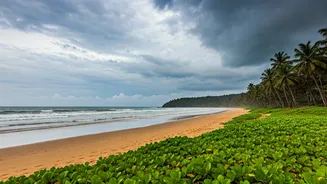
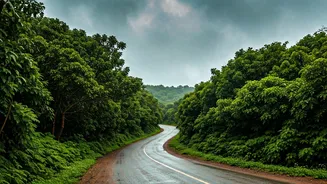
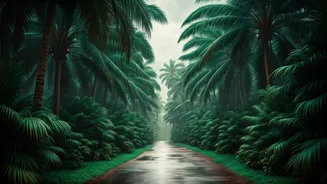
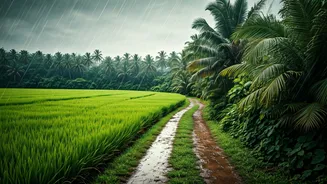
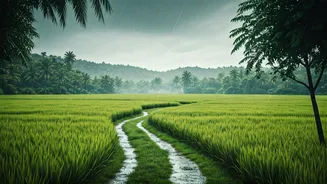
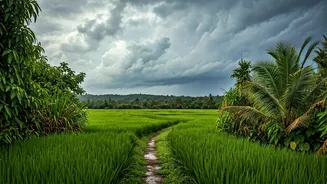
From June to September, the monsoon transforms Goa into a landscape of impossible green. [2, 19] The red-laterite soil vanishes under a carpet of ferns and grasses, the air cools, and the dust settles. [8] The parched, sun-bleached Goa of the peak season
gives way to a lush, breathing paradise where paddy fields gleam and coconut groves drip with fresh rain. [7] This isn’t just a change in weather; it’s a complete sensory overhaul. The light becomes softer, the air smells of petrichor and fragrant spices, and the entire state feels renewed and alive. [13, 28] It is a time for quiet reflection, perfect for those who seek nature’s embrace over crowded shores. [19]
Adventures Beyond the Beach
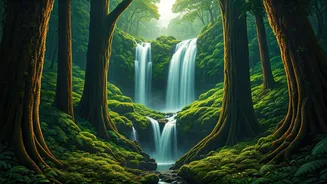
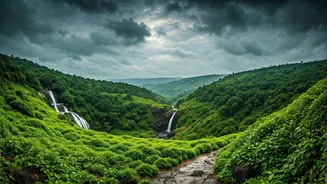
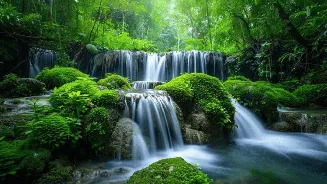
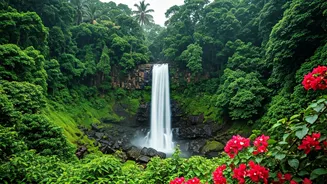
While swimming in the rough monsoon sea is off-limits, a world of other adventures opens up. [3, 33] This is the season when Goa’s waterfalls are at their most magnificent. The mighty Dudhsagar Falls, whose name translates to "Sea of Milk," becomes a roaring, four-tiered cascade that is a spectacle of raw power and beauty. [15, 22] Treks to reach it, or other falls like those at Tambdi Surla, take you through dense, vibrant forests that are an experience in themselves. [4, 13] Beyond trekking, you can try kayaking in the calm backwaters of the Chapora or Mandovi rivers, winding through mangrove forests teeming with life, or go for guided cycling tours along quiet, rain-washed village roads. [2]
Fewer Crowds, Greater Soul
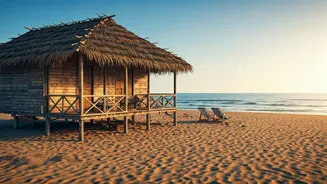
One of the most compelling reasons to visit Goa during the monsoon is the blissful absence of overwhelming crowds. [3, 18] The beaches, often shoulder-to-shoulder in December, are quiet and offer serene expanses for long, contemplative walks. [8] This tranquility extends to every aspect of your trip. You’ll find lower prices on flights and luxury accommodations, making a premium stay more accessible. [12, 24] Restaurants are unhurried, allowing you to savour local Goan cuisine, which takes on a special charm in the rains. [3, 24] It’s a chance to experience a more authentic, ‘susegad’ way of life, interacting with locals and discovering hidden gems without the usual tourist rush. [18, 19]
A Cultural & Culinary Feast
The monsoon is a time of vibrant culture and feasting. A visit to a spice plantation near Ponda is a must; the rain enhances the fragrant aromas of cardamom, vanilla, and pepper, and many farms offer fascinating tours followed by a traditional Goan meal. [3, 32] This season also hosts unique festivals. The most famous is São João, celebrated on June 24th, where locals, wearing floral crowns called 'kopels', celebrate the birth of St. John the Baptist by leaping into overflowing wells—a tradition unique to Goa. [5, 6, 11] It’s a joyful, colourful spectacle that offers a deep dive into local culture. [16]
Planning Your Monsoon Escape
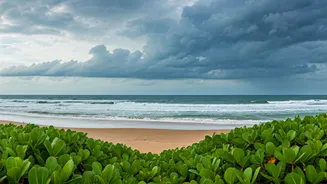
Travelling to Goa in the monsoon does require some practical planning. Pack light, quick-drying clothes, waterproof footwear, and a good raincoat. [3] While renting a scooter is a Goan rite of passage, the slippery roads can be hazardous; consider hiring a car with a driver for safer travel. [33, 34] Plan your activities with flexibility, as heavy downpours can alter schedules. [30] Many beach shacks close down, but a number of excellent cafes and restaurants remain open, offering cosy refuge and stunning views of the dramatic, rain-swept sea. [14] Embrace the slower pace—it's the very essence of the monsoon experience. [32]