



Dal Pitha: The Hearty Dumpling
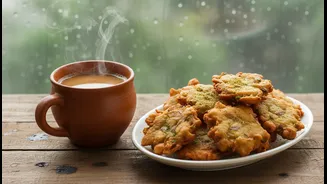
Imagine a healthier, desi version of a momo, and you have Dal Pitha. These are steamed dumplings made from a soft rice flour dough, filled with a spiced mixture of chana dal (lentil paste). Often shaped like a gujiya, this wholesome dish is a staple breakfast
or snack in many Bihari homes, particularly in the Mithila and Bhojpuri regions. It’s a nutritious, gluten-free delicacy that provides sustained energy, traditionally enjoyed by farmers for a light yet filling meal. Served hot, either plain or sometimes lightly fried with mustard seeds and curry leaves, Dal Pitha is pure comfort food.
Champaran Mutton: A One-Pot Wonder
This dish is a legend in its own right. Also known as Ahuna Mutton, it originates from the Champaran district and is a masterclass in slow cooking. Mutton is marinated in a robust mix of mustard oil, ghee, onions, and a paste of whole spices, then sealed in an earthen pot (handi). The pot's mouth is closed with dough, and it's left to cook slowly over a wood or charcoal fire. This 'dum' style of cooking allows the meat to become incredibly tender and absorb the smoky, aromatic flavours of the spices without adding any extra water. It’s a celebratory dish that has now found fame far beyond Bihar’s borders.
Kadhi Badi: The Comforting Curry
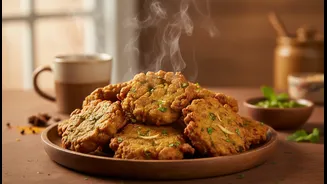
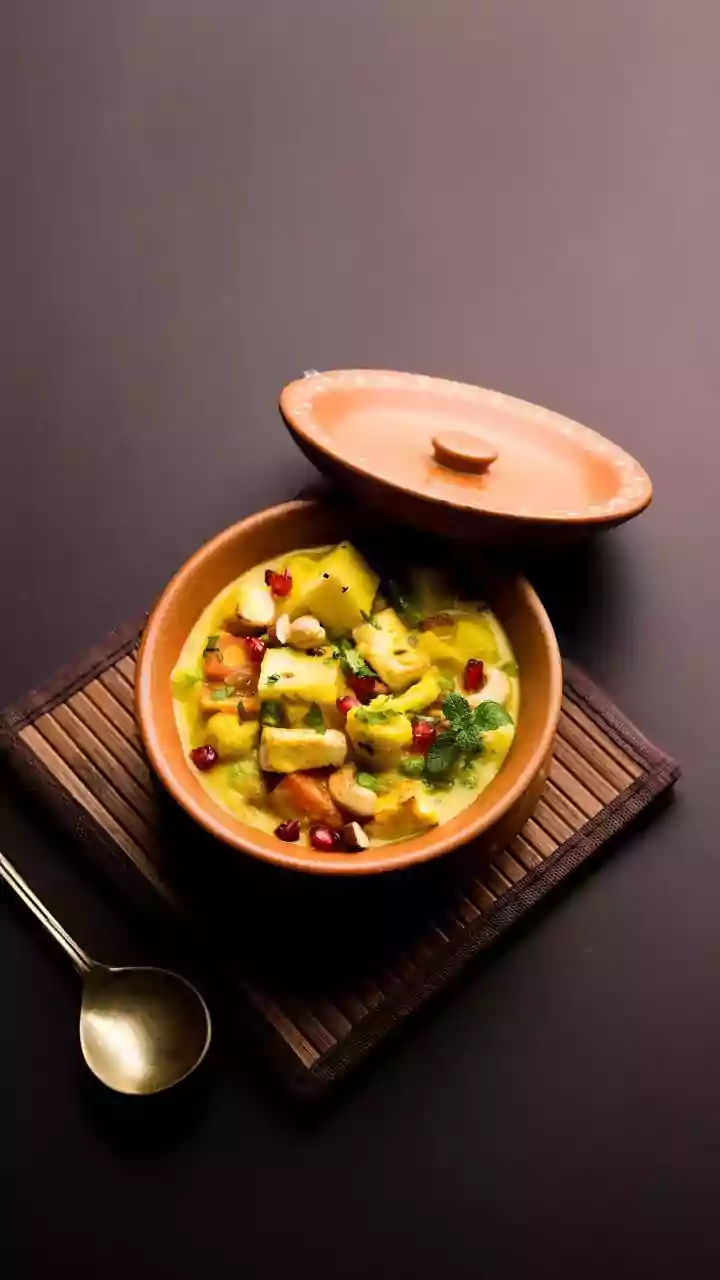
A beloved dish in Bihari households, Kadhi Badi is the ultimate comfort meal, especially when paired with plain steamed rice. It consists of soft, fried dumplings (badi) made from besan (gram flour) dunked in a tangy and savory yogurt-based gravy (kadhi). Unlike some other versions of kadhi, the Bihari style often includes spices like cumin seeds, whole red chillies, and sometimes fenugreek seeds in its tempering, giving it a distinct flavour. It’s a dish that’s considered auspicious and is often prepared for guests and special occasions.
Thekua: The Divine Festival Prasad
No Bihari festival, especially the revered Chhath Puja, is complete without Thekua. Often called 'Khajuria', this is a crispy, deep-fried biscuit-like sweet made from whole wheat flour, jaggery or sugar, ghee, and flavored with fennel seeds and grated coconut. The dough is pressed into beautiful patterns using a wooden mould (sancha) before being fried. The result is a snack that is hard and crunchy, with a long shelf life, making it a perfect travel companion. More than just a sweet, Thekua is a symbol of tradition and family bonding.
Khaja: The Layered Sweet of Silao
Hailing from the town of Silao in Nalanda district, this sweet is so unique it has earned a Geographical Indication (GI) tag. Khaja is a multi-layered, flaky pastry, deep-fried until golden and crispy, and then soaked in sugar syrup. It's known for having between 12 to 16 incredibly thin sheets of dough stacked on top of each other, which give it a distinctive, wafer-like texture. Local legend suggests its history dates back to ancient times, with even Lord Buddha said to have been offered it during his travels. The unique taste is often attributed to the local water and climate of Silao.
Malpua: The Syrup-Soaked Pancake
While Malpua is enjoyed across North and East India, Bihar has its own special love for this decadent sweet. These are small, soft pancakes made from a batter of flour, milk, and mashed bananas, deep-fried in ghee and then drenched in sugar syrup. Often flavored with cardamom and garnished with nuts, Bihari Malpuas are a staple during festivals like Holi. They are incredibly rich and indulgent, with a soft, melt-in-the-mouth texture that is simply irresistible. It is a dish that signals celebration and joy.