




A Patchwork of Policies
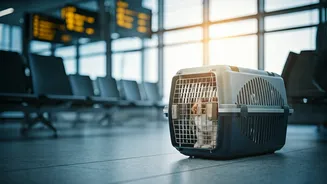
Planning to fly with your pet in India? Prepare for confusion. Each airline operates with a different set of rules, creating a frustrating patchwork for travellers. For instance, Air India's 'Paws on Board' program may allow pets up to 10 kg (including
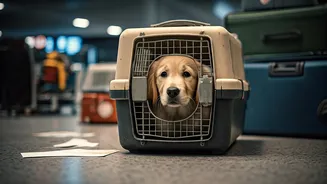
their carrier) in the cabin on certain flights. Meanwhile, some reports indicate IndiGo only offers in-cabin travel for very small pets up to 7 kg on select routes, while other sources claim it's a cargo-only airline. Akasa Air, a newer player, is often cited as pet-friendly, allowing pets in the cabin, but again with its own specific weight and carrier dimension requirements. This lack of consistency extends to nearly every aspect of pet travel. One airline might require a health certificate issued within 10 days of travel, while another demands it be from the last 72 hours. Crate dimensions for in-cabin versus cargo travel differ wildly, and booking procedures are equally inconsistent; some pets can be added online, but most require a direct call to the airline after booking your own ticket, with no guarantee of a spot. For a pet owner, this means starting from scratch with research for every single flight, deciphering conflicting information online, and hoping for the best at the check-in counter.
The High Stakes of Confusion
When rules are unclear, the consequences can be heartbreaking. Stories abound of pet owners being denied boarding at the last minute because of a misunderstanding over crate size or paperwork. In a widely reported 2023 incident, a passenger claimed her kitten went missing at the airport due to alleged negligence after she was forced into last-minute travel arrangement changes at the check-in counter. These situations are not just logistical nightmares; they are emotionally devastating for owners and deeply stressful for the animals involved. Breed restrictions add another layer of complexity. Brachycephalic (flat-faced) breeds like Pugs, Bulldogs, and Persian cats are often banned from travelling in cargo due to their high risk of respiratory distress at altitude. While this is a necessary safety measure, the rules around whether they can fly in the cabin can be ambiguous, leaving owners in a state of uncertainty. The ultimate risk of unclear policies is animal welfare. A stressed, improperly crated, or mishandled animal is a tragedy waiting to happen.
Why Are the Rules So Complicated?
From an airline's perspective, pet travel is a complex logistical challenge. Policies are not arbitrary; they are shaped by factors like aircraft design, safety protocols, and liability concerns. The ventilation and temperature control systems can vary significantly between different aircraft models, which is why pets may be allowed on one flight but not another on the same airline. The number of pets allowed on any given flight is strictly limited, often to just one or two in the cabin, to manage passenger allergies and ensure a smooth evacuation process in an emergency. Furthermore, airlines must comply with overarching regulations from bodies like the Directorate General of Civil Aviation (DGCA) and the Animal Welfare Board of India (AWBI), which set baseline requirements for health certificates and vaccinations. However, these regulations leave room for airlines to create their own, stricter policies on top. The result is a system where each airline has developed its own internal rulebook based on its specific fleet and operational capacity, rather than a unified, passenger-friendly standard.
The Path to a Better System
The solution is not to eliminate rules, but to clarify and standardize them. Pet owners are not asking for a free-for-all; they are asking for predictability and transparency. A unified system could involve a single, clear standard for domestic pet travel that all Indian airlines agree to adopt. This could include standardized weight categories for cabin and cargo, universal requirements for carrier dimensions, and a consistent timeline for health documentation. A central, government-backed portal where travellers can see every airline's policy side-by-side would be a game-changer. Imagine a single checklist for flying with a pet in India, regardless of the carrier. Better staff training is also crucial. Airline employees at check-in and cargo handling should be experts in their own company's policies to avoid the stressful last-minute denials that are all too common. By making the rules clear, consistent, and easy to find, airlines can transform a source of customer frustration into an opportunity for loyalty, ensuring the well-being of pets and the peace of mind of their owners.