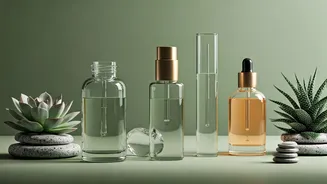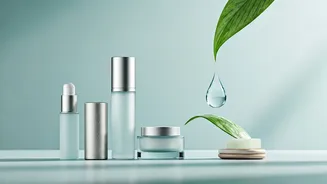




What Are Waterless Products?
The concept, also known as anhydrous beauty, started in South Korea and refers to products formulated without water. [3, 5] If you check the ingredient list on most traditional beauty products, 'aqua' (water) is often listed first, sometimes making up
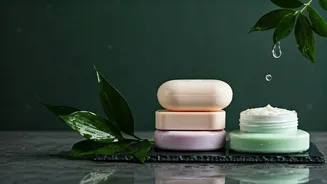
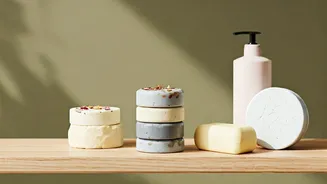
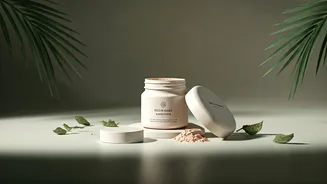
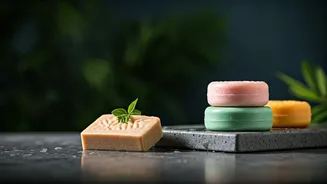
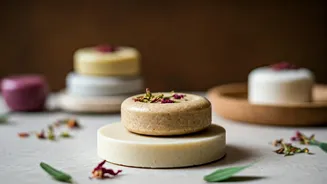
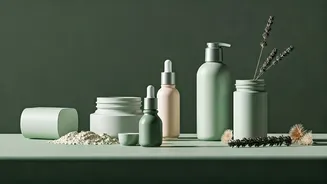
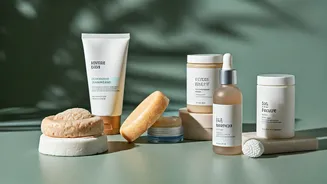
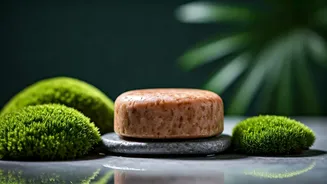
60-85% of the formula. [9, 11] Waterless products replace this liquid filler with nourishing botanical oils, butters, waxes, and plant extracts. [5, 6] This results in solid or powdered forms like shampoo and conditioner bars, cleansing balms, toothpaste tablets, and concentrated serum sticks. [1, 4] The idea is to deliver the product in its most potent form, which you can then activate with water from your tap at home. [3]
The Eco-Conscious Appeal
A major driver of the waterless trend is sustainability. With global water scarcity a growing concern, reducing water consumption in manufacturing is a significant environmental win. [7, 18] But the benefits don't stop there. Because these products are concentrated and solid, they require less packaging, often coming in recyclable paper or without any packaging at all, which helps combat plastic waste. [3, 6] Their lighter, more compact form also means a smaller carbon footprint during transportation. [2, 6, 20] Every shampoo bar used can mean one less plastic bottle in the world, a powerful incentive for the 84% of consumers who say poor environmental practices can alienate them from a brand. [18]
More Potency, More Convenience
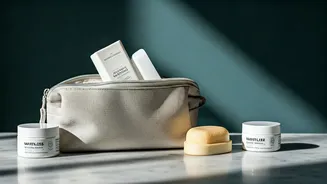
Beyond being eco-friendly, waterless products offer tangible performance benefits. Without water to dilute the formula, the active ingredients are much more concentrated and potent. [2, 9, 14] This means you often need to use less product to achieve the same, or even better, results. [9] This higher concentration also extends the product’s shelf life, as water is a breeding ground for bacteria, requiring synthetic preservatives. [5, 9, 18] For anyone who travels, the advantages are undeniable. Solid toiletries eliminate the risk of leaks in your luggage and the hassle of liquid restrictions at airport security. [12, 21]
From Niche to Mainstream
What began as a niche trend is now a booming market, projected to grow significantly in the coming years. [6, 15, 19] You can now find waterless alternatives for almost every step of your routine. Shampoo and conditioner bars create a rich lather and cater to various hair types. [12] Toothpaste tablets offer a mess-free way to brush, while solid cleansing balms effectively remove makeup. [21, 1] Even skincare has been transformed, with solid serum bars and moisturizers delivering concentrated doses of vitamins and nutrients. [4, 23] These products are no longer confined to specialty eco-shops; they're increasingly available in mainstream supermarkets and online. [19]
Making the Switch: What to Expect
Switching to solid toiletries can require a small adjustment period. [10] Some shampoo bars, for instance, may lather differently than their liquid counterparts. Storage is also key; solid bars should be kept on a draining dish to dry out between uses, which helps them last much longer. [24] While the initial cost of a waterless product might seem higher than a bottled version, their concentrated nature means they often last two to three times as long, making them more economical in the long run. [22, 25] The experience is different, but the minimal, clutter-free aesthetic and powerful performance are converting users daily.