





Plan Your Connectivity, Then Have a Backup
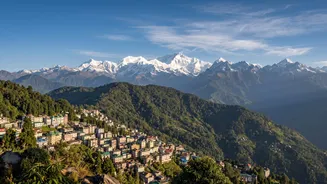
Internet in Sikkim is a tale of two realities. In towns like Gangtok, Pelling, and Ravangla, you can expect functional 4G from providers like Jio and Airtel, which is usually sufficient for most work tasks. However, the moment you head towards high-altitude
passes like Nathu La or into North Sikkim, connectivity becomes sparse and unreliable. Even in major towns, the signal can be variable. For remote areas like Lachen and Lachung, BSNL is often the only network that provides any service, though it may only be 2G. A practical strategy is to carry two SIM cards: a primary one like Jio or Airtel for the towns, and a BSNL SIM as a non-negotiable backup for the mountains. Consider investing in a portable Wi-Fi dongle, but be prepared for long stretches of being completely offline. This leads to the next crucial point: plan your work around connectivity, not the other way around.
Establish a Strategic Base Camp
Instead of constantly moving, choose a base to work from and plan day trips or shorter multi-day excursions to the passes from there. Gangtok is the most logical choice. It offers the best infrastructure, including coworking spaces like Sanctorum, which provides fiber WiFi, power backup, and a community of other professionals. Day passes and monthly memberships are available, giving you a reliable workspace when you need to focus. Alternatively, you can explore emerging digital nomad-friendly villages like Yakten in East Sikkim, which offers community-run homestays equipped with Wi-Fi, work desks, and power backup, all at an affordable monthly rate. Towns like Pelling and Ravangla also have homestays and cafes with decent internet, making them viable, quieter alternatives.
Pack a Robust Tech and Power Arsenal
Frequent power cuts and the cold climate of the Himalayas can be tough on your electronics. A high-capacity power bank is not optional; it's essential. A 20,000mAh power bank can charge a smartphone multiple times and is a lifesaver when you're away from a power source or during an outage. Remember that batteries drain significantly faster in cold temperatures, so keep your devices, including your power bank, warm by storing them in your sleeping bag or an inside pocket. Pack a universal travel adapter, as plug types can vary in older establishments. Given the unpredictable power supply, a surge protector is also a wise investment to protect your laptop and other sensitive equipment from voltage fluctuations.
Master the Art of Offline Productivity
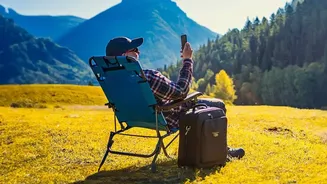
Since constant connectivity is not guaranteed, you must structure your work to accommodate offline periods. Use your online time in Gangtok or other connected towns for tasks that require the internet: downloading research, attending meetings, and sending emails. When you travel to the passes, switch your focus to deep work that doesn't require a connection, such as writing, editing, coding, or brainstorming. This 'batching' of tasks ensures that your exploration time is not spent anxiously searching for a signal. Download offline maps and save all important documents and travel confirmations to your devices before you venture into more remote areas. This mindset shift from being 'always on' to strategic, focused work sessions is the key to a stress-free experience.
Time Your Trip Wisely and Handle Permits
The best times to visit Sikkim for a work-travel trip are during the spring (March to May) and autumn (October to mid-December). During these periods, the weather is pleasant, skies are clear for mountain views, and the risk of monsoon-related landslides and road closures is low. The monsoon season, from June to September, should be avoided as heavy rains can disrupt travel plans and knock out power and internet for days. Furthermore, Indian citizens need a Protected Area Permit (PAP) for sensitive border areas like Tsomgo Lake, Nathu La Pass, and all of North Sikkim. These permits are typically arranged by a registered local tour operator a day in advance and require a valid photo ID (Voter ID or passport, as Aadhaar is often not accepted) and passport-sized photos. Plan your itinerary with these permit requirements and processing times in mind.