








Meet Your Body’s Internal Clock
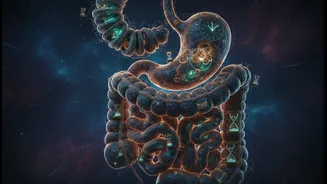
Deep within us, a master timekeeper known as the circadian rhythm governs nearly all of our bodily functions, from sleep-wake cycles to hormone release and, yes, digestion. This internal 24-hour clock ensures our body performs the right tasks at the right time.
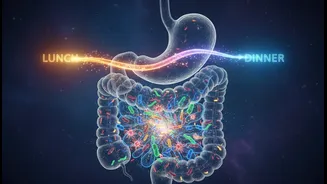
The emerging field of science called chrononutrition studies how our meal timing interacts with these natural rhythms. Our digestive system, it turns out, isn't designed to be on-call 24/7. It's most efficient and active during the day when we are typically awake and moving. As evening approaches, our body's processes, including digestion, naturally begin to slow down to prepare for a night of rest and repair. Eating in sync with this rhythm means consuming the bulk of our calories when our digestive system is at its peak performance.
What the Latest Research Reveals
Recent findings are strengthening the link between late eating and digestive distress. Research presented at Digestive Disease Week 2026 highlighted that eating late at night could deliver a "double hit" to our gut, especially when combined with stress. One study analyzed data from thousands of participants and found that highly stressed individuals who consumed a significant portion of their daily calories late in the evening were much more likely to report issues like constipation or diarrhea. Another analysis found this same group showed reduced diversity in their gut microbiome—the community of beneficial bacteria essential for healthy digestion. While a single meal won't throw your system off completely, a consistent pattern of late-night eating appears to disrupt the gut's natural function and may worsen symptoms like acid reflux, bloating, and indigestion.
Why Late Dinners Can Spell Trouble
Eating a large meal close to bedtime forces your digestive system to work overtime when it should be winding down. Lying down with a full stomach can make it easier for stomach acid to travel back up into the esophagus, causing the classic burning sensation of heartburn or reflux. Studies have shown that an early dinner can significantly reduce nighttime gastric acidity, creating a more comfortable environment for sleep. Beyond heartburn, a late meal can lead to delayed gastric emptying, meaning food sits in your stomach longer, which can contribute to feelings of bloating and discomfort. This misalignment between your meal schedule and your body’s clock can also have broader metabolic consequences, potentially affecting how your body handles blood sugar and stores fat over time.
How to Shift Your Mealtime Schedule
The idea of overhauling your dinner schedule might seem daunting, but small, gradual changes are most effective. You don't have to start eating at 4 p.m. tomorrow. Instead, try shifting your main evening meal earlier by just 15 to 30 minutes every few days until you find a time that works for you. A common recommendation is to finish your last meal at least three hours before you go to sleep. If a busy schedule makes an early dinner impossible, consider making your evening meal the lightest of the day. A larger breakfast and lunch, when your metabolism is more active, can help reduce the digestive load at night. On days when a late dinner is unavoidable, opt for smaller portions that are lower in fat and easier to digest. The key is consistency; a regular meal schedule helps regulate your internal clock and digestive processes.