





Tyres: Your First Line of Defence
Your tyres are the only part of your car in contact with the road, and on wet surfaces, their condition is critical. Worn tyres struggle to grip slippery roads and can lead to aquaplaning, where a layer of water builds between the rubber and the road, causing
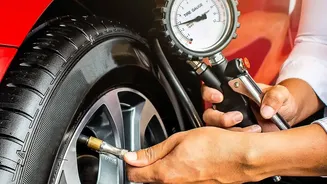
a dangerous loss of control. Before the heavy rains set in, inspect your tyre tread. Most tyres have tread wear indicators—small raised bars in the grooves. If the tread is level with these bars, it's time for a replacement. Also, check the tyre pressure, including the spare. Incorrect pressure affects braking, handling, and fuel efficiency.
Wipers and Washer Fluid: For Clear Vision
Visibility is one of the biggest challenges during a downpour. Wiper blades are often overlooked but are essential for safety. The summer heat can cause the rubber to crack and harden, rendering them ineffective. If your wipers leave streaks, make squeaking noises, or skip across the glass, they need to be replaced. This is a simple and inexpensive fix that makes a world of difference. While you're at it, top up your windshield washer fluid. A good quality cleaning solution will help clear away the mud and grime that gets splashed onto your screen.
Brakes: Your Ultimate Safety System
Effective brakes are non-negotiable, especially when roads are wet and stopping distances increase. Moisture and grit from wet roads can accumulate on brake pads and discs, reducing their efficiency. If you hear any squealing or feel a vibration when you apply the brakes, get them inspected by a professional immediately. After driving through a waterlogged area, it's a good practice to gently tap your brakes a few times at a low speed to help dry the components and restore their performance.
Lights and Electricals: See and Be Seen
During an overcast day or heavy rain, your car's lights are crucial for both seeing the road and being seen by other drivers. Walk around your vehicle and check that all lights are working correctly: headlights (both low and high beam), tail-lamps, brake lights, and indicators. Replace any dim or flickering bulbs. High humidity during the monsoon can also be tough on your car's battery and electrical systems. Check the battery terminals for any signs of corrosion, as this can lead to starting trouble.
Air Conditioning: More Than Just Comfort
Your car’s air conditioner does more than just keep you cool; it plays a vital safety role during the monsoon by demisting the windows. The AC removes moisture from the air inside the cabin, quickly clearing a foggy windshield and rear window, which is essential for clear visibility. Before the season starts, run your AC to ensure it's blowing cold air and that the defogger function is working properly. If it seems weak, it might be time for a service.
Check for Leaks and Rust
The constant dampness of the monsoon is the perfect breeding ground for rust. Inspect your car’s body for any paint chips or deep scratches, as these are prime spots for corrosion to start. It’s also wise to check the rubber seals around your doors and sunroof. Hardened or cracked seals can allow water to seep into the cabin, leading to damp interiors, musty smells, and potential damage to electrical components. Getting any paint damage touched up and applying an anti-rust coating to the underbody can save you from costly repairs later.