
The Science of the Sear
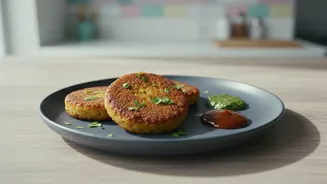
That beautiful, golden-brown crust on a perfectly cooked steak or a piece of roasted chicken is the result of a chemical process called the Maillard reaction. This reaction, which creates hundreds of new flavour and aroma compounds, is what gives browned
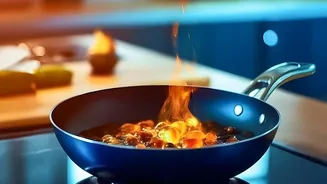
food its deep, savoury, and complex taste. But here's the catch: the Maillard reaction needs heat to get going—specifically, surface temperatures of around 140°C (280°F) or higher. If your pan or oven isn't hot enough, this flavour-building process simply can't happen at a meaningful rate. The surface of the food will heat up, but it won't cross the threshold needed to trigger the browning that makes food so delicious. Instead of a rich, complex crust, you're left with a one-dimensional, pale, and often less flavourful result.
The Moisture Trap
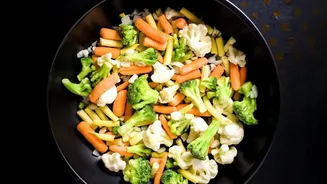
The second issue with insufficient heat is moisture. All foods contain water, and when you place food in a pan, that moisture begins to escape. If the pan is searing hot, the water evaporates almost instantly, allowing the food's surface to dry out and begin browning. However, if the heat is too low, that moisture has nowhere to go. It pools in the pan, creating a steamy environment. Instead of pan-searing your vegetables, you end up boiling them in their own liquid. This is often made worse by overcrowding the pan. When too much food is packed in, the temperature drops further and traps even more steam, guaranteeing a soggy outcome. The food becomes soft and mushy instead of developing the crisp, appealing texture you were aiming for.
Know When to Go Low
This isn't to say that low heat has no place in the kitchen. On the contrary, it's essential for certain techniques. Low and slow cooking is perfect for tough cuts of meat rich in connective tissue, like brisket or pork shoulder. Over a long period, low heat gently breaks down that tissue into tender gelatin, resulting in succulent, fall-apart meat. It's also the right choice for delicate items like eggs or fish, which can be easily overcooked. Simmering sauces, making soups and stews, or keeping food warm are all jobs for low heat. The key is understanding the goal. If you want to build a crust and develop deep flavour quickly, you need high heat. If you want to gently cook something through, tenderize it, or coax out flavours over time, low heat is your friend.
Your Heat Control Checklist
Ready to take control of your cooking temperature and banish bland, soggy food for good? It comes down to a few simple but crucial steps. First, always preheat your pan. Place it over the heat for a few minutes before adding your cooking oil or food. This ensures the cooking surface is hot enough from the start. Second, pat your food dry with paper towels before cooking. Removing excess surface moisture is critical for achieving a good sear, as it means the pan's energy goes into browning the food, not just boiling off water. Third, do not overcrowd the pan. Cook in batches if necessary, giving each piece of food enough space to let steam escape. Finally, be patient. Let the food sit in the hot pan without moving it around too much. This contact is what creates the crust. By mastering these simple rules of heat, you can unlock a world of flavour and texture in your home cooking.