






Every December, the hills near Kohima come alive with a rhythm that feels both ancient and new. It’s the sound of log drums, warrior chants, and folk songs—it's the sound of the Hornbill Festival, Nagaland's grand cultural showcase.
The Festival of Festivals
Held annually from
December 1 to 10, the Hornbill Festival is affectionately known as the 'Festival of Festivals'. It was started by the Nagaland government in 2000 to promote inter-tribal harmony and preserve the state's rich cultural tapestry. The festival takes place at the Naga Heritage Village of Kisama, a purpose-built venue about 12 kilometres from Kohima. Here, all of Nagaland's major tribes gather to share their distinct customs, foods, and traditions, creating a vibrant, unified celebration that offers a unique window into the soul of the Naga people. The event is named after the revered hornbill bird, a symbol of grandeur and alertness that features prominently in Naga folklore.
A Symphony of Dance and Song
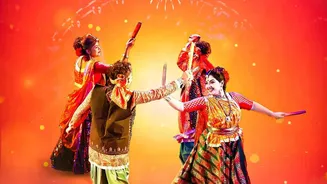
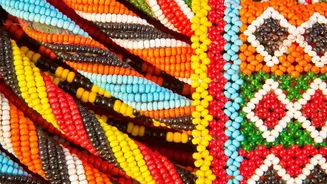
The heart of the festival beats in its main arena, where a whirlwind of cultural performances unfolds daily. Troupes from different tribes, adorned in spectacular traditional attire, perform ancient war dances and harvest songs passed down through generations. Men wear headgear decorated with hornbill feathers and boar tusks, while women are draped in colourful, hand-woven shawls and intricate bead jewellery. Each performance tells a story—of victory in battle, the rhythm of agricultural life, or mythological tales—accompanied by the powerful beat of log drums and the chanting of folk songs. It’s a mesmerising spectacle of colour, sound, and movement that represents the living history of the Naga people.
The Artisan's Touch
Beyond the main stage, the festival is a treasure trove for lovers of traditional crafts. Artisans from across the state display their exceptional skills in specially designated stalls and within their respective 'morungs' or traditional youth dormitories. Visitors can witness the intricate process of weaving Naga shawls on loin looms, a skill mastered by the women of every tribe. These textiles are famous for their symbolic motifs and vibrant patterns. Equally impressive is the woodwork and bamboo craft on display, ranging from furniture and baskets to decorative items and traditional hunting implements like the 'dao' knife. It’s a bustling marketplace where you can not only purchase authentic handicrafts but also interact with the artisans who create them.
A Taste of Naga Hospitality
No trip inside the Hornbill story is complete without exploring the Morungs. These are replicas of traditional houses for each tribe, which serve as community spaces during the festival. Here, you can experience the warmth of Naga hospitality firsthand. Elders sit by the fire sharing stories, while hosts offer visitors a taste of 'Zutho', the local rice beer. The festival's food courts and tribal kitchens offer a culinary adventure, with stalls serving smoked pork with bamboo shoot, fiery chutneys made from the famed Naga King Chilli, and sticky rice. The Morungs provide a more personal, immersive experience away from the grandeur of the main arena, allowing for genuine cultural exchange.
A Bridge Between Past and Future
While deeply rooted in tradition, the Hornbill Festival is not just a museum of the past; it's a dynamic, evolving event. Evenings are set aside for the Hornbill Music Festival, which includes one of India's biggest rock contests, drawing bands from across the country and beyond. There are also fashion shows displaying the work of contemporary Naga designers who blend traditional motifs with modern aesthetics. Events like the Naga chilli-eating competition and traditional sports such as Naga wrestling add a layer of fun and excitement. This blend of old and new ensures that the festival is a living, breathing celebration that continues to shape Nagaland's cultural identity for future generations.