



Avocado: The Social Media Superfruit
Not long ago, avocados were an expensive, imported novelty in India. Today, they are a brunch menu staple and a frequent star of Instagram reels. This surge in popularity is driven by a perfect storm of factors. Firstly, a wave of health consciousness
has urban Indians, especially millennials and Gen Z, paying closer attention to what they eat. Avocados, packed with 'good' monounsaturated fats, fibre, and vitamins, fit perfectly into wellness trends like keto, vegan, and clean-eating diets. Secondly, the explosion of social media and food influencing has made dishes like avocado toast and guacamole visually appealing and aspirational. As more people experiment with global cuisines like Mexican and Mediterranean at home, the demand has grown. This rising interest has also encouraged local cultivation in states like Tamil Nadu, Karnataka, and Kerala, making the fruit more accessible and slightly more affordable than its imported counterparts. It's being adopted in uniquely Indian ways too, with home cooks blending it into chutneys or using it on rotis.
Quinoa: The Ancient Grain for Modern Meals
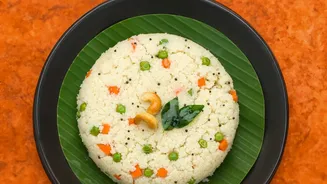
Quinoa has successfully carved out a niche in the health-focused Indian kitchen, often positioned as a premium, healthier alternative to rice or wheat. Its primary appeal lies in its impressive nutritional profile; it's a complete protein, meaning it contains all nine essential amino acids, which is a significant draw for India's large vegetarian population seeking high-quality protein sources. It is also gluten-free and high in fibre, making it a favourable option for those managing lifestyle conditions like diabetes or celiac disease. Initially a product for a small, elite segment, quinoa is now more widely available, driven by a growing superfoods market. Urban consumers are incorporating it into salads, and even adapting it for traditional dishes, creating quinoa pulao or upma. While it hasn't replaced rice, it has become a go-to for health-conscious meal preppers and those looking to add nutritional variety to their diet, signifying a move towards more mindful eating habits.
Kale: The King of Nutrient-Dense Greens
Once a little-known leafy green in India, kale has ridden the global superfood wave right into the shopping bags of urban consumers. Often called 'Karam Saag', it is now easily found on supermarket shelves and is even being grown locally through methods like hydroponics. Kale's claim to fame is its incredible nutrient density. It is loaded with vitamins K, A, and C, as well as antioxidants and minerals like calcium and potassium. For the health-conscious city dweller, it’s a versatile ingredient that offers a significant nutritional boost. The wellness community has popularised its use in green smoothies and juices, where its strong flavour can be blended with fruits. Beyond drinks, it’s also used in salads, sautéed as a side dish, or even baked into crispy “chips” as a healthy snack. Its high fibre and low-calorie content also make it a popular choice for weight management. Its adoption reflects a broader trend of seeking out functional foods that do more than just fill the stomach.