




France promises romance, history, and culinary delights. But the reality of its most famous landmarks can often mean long queues and overwhelming crowds, dimming the magic. The key to a perfect trip isn't skipping France, but planning smarter.
The Eiffel Tower View
Going up
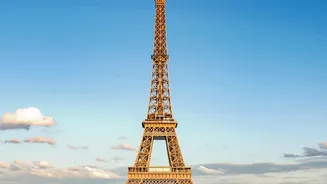
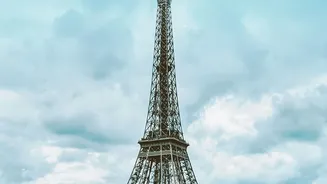
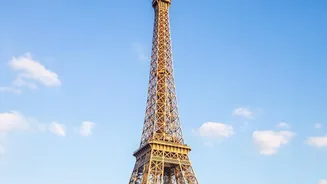
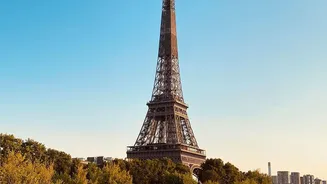
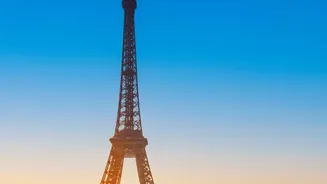
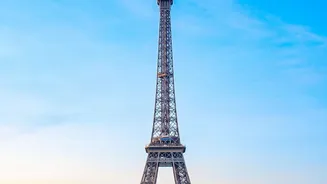
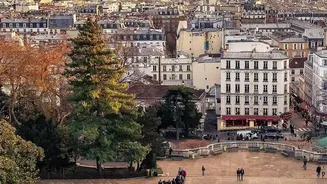
the Eiffel Tower is a quintessential Paris bucket-list item, but the experience can be hampered by long security lines, high ticket prices, and crowded viewing platforms. Perhaps the biggest drawback is that the best views of Paris are the ones that actually include the Eiffel Tower itself. For a more pleasant experience with a superior panorama, consider alternatives. The rooftop of the Arc de Triomphe offers a stunning, direct view of the tower and the city's grand avenues. Another fantastic option is the Montparnasse Tower; while the building itself is not beloved by Parisians, its 56th-floor terrace provides what many call the best view of the city—because it is the only one from which you cannot see the tower itself. For a free alternative, the rooftop terraces of department stores like Galeries Lafayette and Printemps offer breathtaking, no-cost views of the Parisian skyline.
The Crowds of Mont Saint-Michel
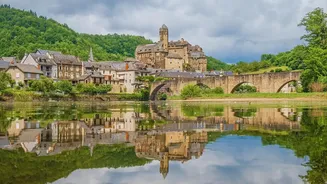
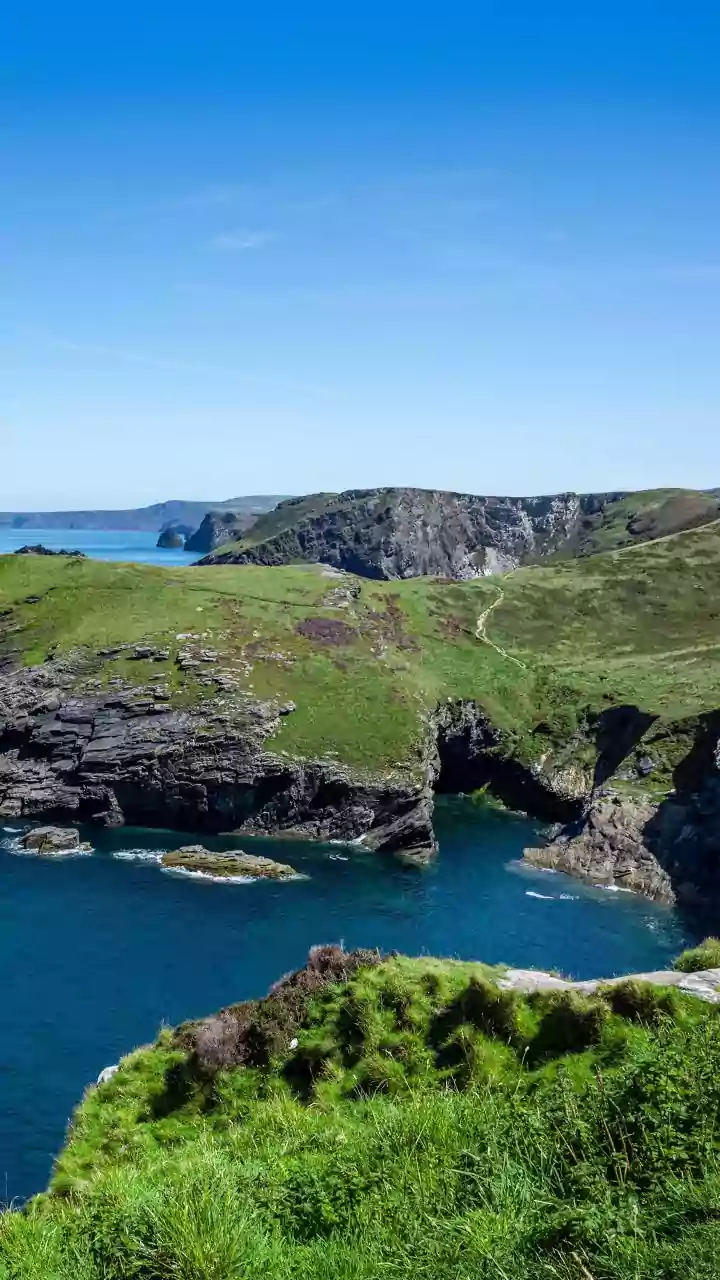
This fairytale island abbey is undeniably one of France's most iconic sights. However, its popularity is also its biggest problem. During peak season, particularly midday in July and August, the single main street becomes a slow-moving human traffic jam, with souvenir shops replacing any sense of medieval tranquility. To experience its magic without the masses, you must plan strategically: visit on a weekday outside of school holidays, arrive before 10 a.m. or after 5 p.m., or even stay overnight. For a different kind of fortified coastal charm, consider the walled port city of Saint-Malo in Brittany, which offers a robust historical atmosphere and beautiful seaside walks. Further inland, the medieval town of Dinan, with its half-timbered houses and riverside setting, provides an equally enchanting, yet far less congested, glimpse into the region's history.
The Summer French Riviera
The Côte d'Azur in July and August is a whirlwind of glamour, traffic jams, and jam-packed beaches where a spot on the sand is a prized possession. Towns like Saint-Tropez and Cannes can feel overwhelming and inaccessible unless you have a superyacht budget. For a more serene Mediterranean experience, consider exploring the region's quieter corners. The town of Menton, on the Italian border, offers the same pastel-hued beauty with a slower pace. Alternatively, escape to the nearby Golden Isles (Îles d'Or), such as the car-free island of Porquerolles, which boasts Caribbean-style white sand beaches and pine forests perfect for exploring by bike. If you're open to other coastlines, the port town of Cassis, with its stunning calanques (limestone inlets), provides a breathtaking alternative just a short distance from Marseille.
The Grandeur of Versailles
The Palace of Versailles is a staggering monument to royal power and opulence, but its immense popularity means you'll likely be sharing the Hall of Mirrors with thousands of other visitors, making it difficult to truly appreciate the artistry. The sheer scale and crowds can be exhausting. France, however, is dotted with hundreds of other magnificent châteaux that offer a more intimate and manageable experience. The Château de Fontainebleau, a favorite of French kings and emperors for eight centuries, is just as historically significant but often less crowded. For a look at the direct inspiration for Versailles, visit Château de Vaux_le_Vicomte; its stunning design and gardens are said to have made Louis XIV so jealous that he had its owner imprisoned. Smaller gems like Château de Chantilly, with its world_class art collection, also provide a rich historical experience without the overwhelming queues.