




That familiar feeling of stiffness when you finally stand up after a long day at your desk is more than just a minor annoyance. It's your body signalling that a sedentary work style is taking a toll on your joints. But what exactly is happening?
The Science of Sitting Still
Our bodies
are designed for movement. When we sit for extended periods, several physiological processes are disrupted, leading to that all-too-common stiffness. Joints rely on synovial fluid for lubrication, which acts like oil for your body's hinges, reducing friction. Physical activity helps circulate this fluid, but during long bouts of inactivity, its flow decreases, contributing to stiffness and discomfort. Furthermore, prolonged sitting keeps muscles in fixed, shortened positions. Hip flexors, for instance, become tight, while the glutes and core muscles weaken from lack of use. This muscular imbalance places extra strain on your joints, particularly in the hips, knees, and lower back, making them more prone to pain and instability.
Common Trouble Spots for Desk Workers
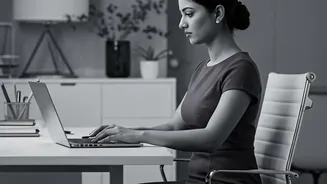
While sitting affects the whole body, certain areas are more vulnerable to stiffness and pain. The hips and lower back are prime candidates. Constant hip flexion can lead to tightness, while poor posture often causes the lower back to ache as it compensates for a weak core. The neck and shoulders also suffer, especially when we hunch over keyboards or crane our necks to see a poorly positioned monitor. This forward head posture puts immense strain on the cervical spine and surrounding muscles. Finally, knees can feel stiff because the bent position restricts blood flow and lubrication, and the muscles that support the joint weaken over time.
Reclaim Mobility at Your Desk
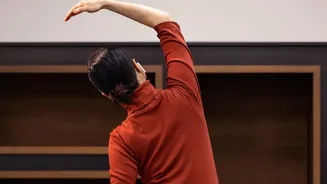
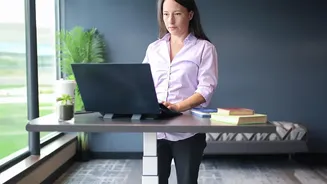
The good news is you don't need a full gym routine to combat this stiffness. The key is incorporating small, frequent 'movement snacks' into your day. Aim to stand up, stretch, or walk around for a few minutes every 30 to 60 minutes. Simple desk-based exercises can make a huge difference. Try seated spinal twists by gently rotating your torso from side to side. Shoulder blade squeezes, where you pull your shoulder blades together for a few seconds, can combat slouching. To target tight hips, try seated marching, lifting your knees high one at a time. For the neck, gentle chin tucks—pulling your chin back as if making a double chin—can relieve forward head pressure.
Ergonomic Fixes for Lasting Comfort
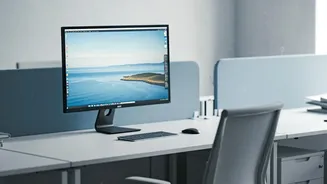
While movement is crucial, an ergonomic workspace sets you up for success by reducing unnecessary strain. Start with your chair. Adjust its height so your feet are flat on the floor and your knees are at roughly a 90-degree angle. The chair should have good lumbar support; if not, a small cushion or rolled-up towel can work wonders. Position your monitor at arm's length, with the top of the screen at or just below eye level to keep your neck in a neutral position. Your keyboard and mouse should be close enough that your elbows can stay near your body, with your wrists straight and relaxed.
Build Habits That Last
Making these changes stick is about integrating them into your workflow, not seeing them as interruptions. Use technology to your advantage by setting a recurring timer to remind you to move. Link movements to regular tasks: do a few stretches while waiting for a file to load or stand up every time you take a phone call. Think of your commute or lunch break as an opportunity for a brisk walk. Activities outside of work, like yoga, swimming, or strength training, can also build resilience in the muscles and joints that are most affected by sitting. The most effective routine is one you enjoy enough to do consistently. By actively countering the sedentary nature of desk work, you can keep your joints mobile and reduce the daily burden of stiffness and pain.