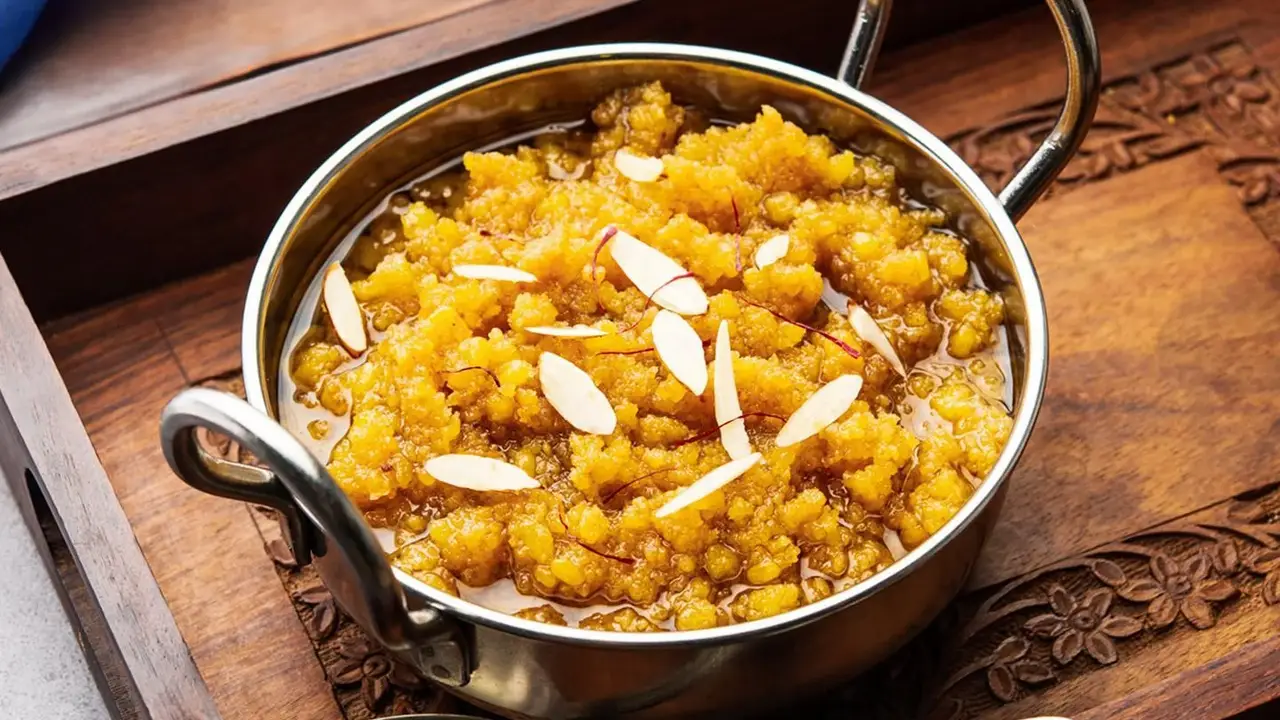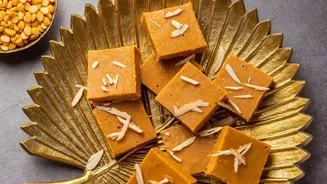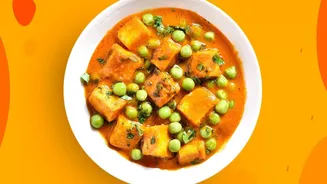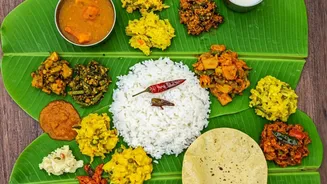





The Heart of the Celebration: Dairy
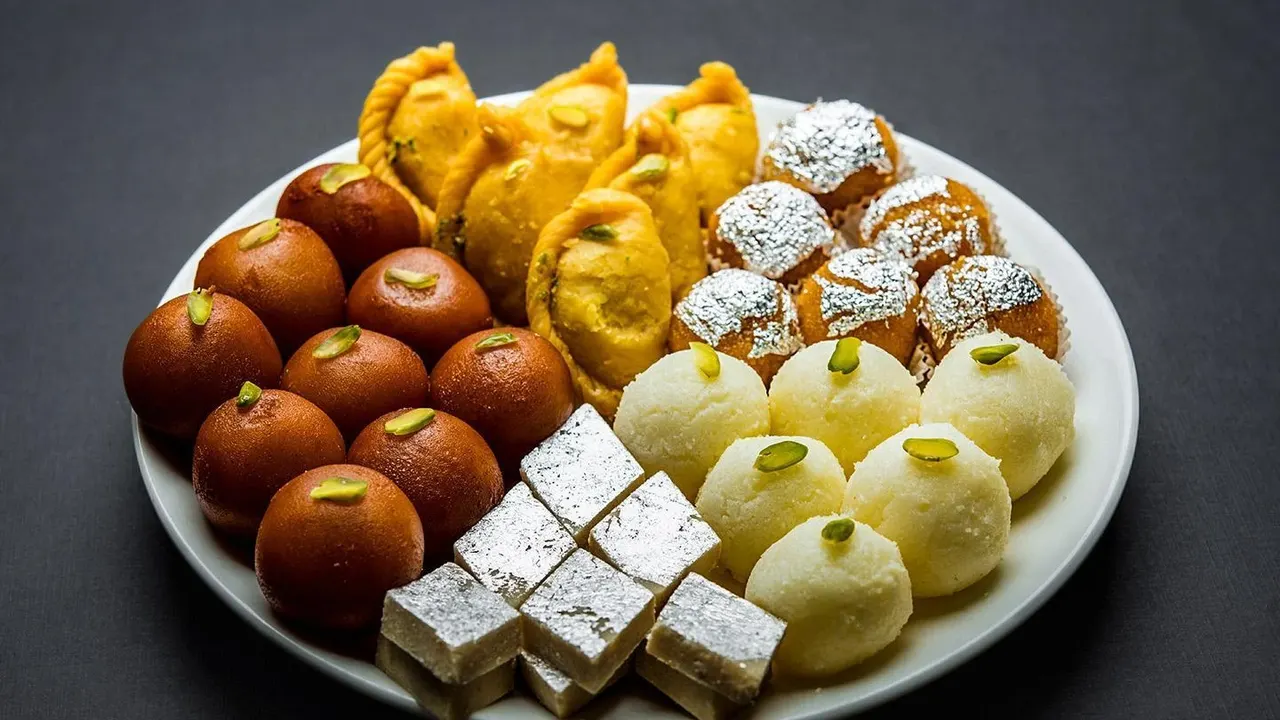
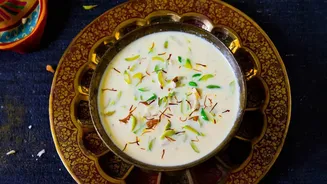
Lord Krishna's legendary love for milk, butter, and curd makes dairy the cornerstone of Janmashtami cooking. Fresh, full-fat milk is essential for making a variety of sweets, including creamy kheer and pedas. Stock up on good quality yoghurt (curd) for making Panchamrit,
a sacred five-ingredient offering that also includes milk, ghee, honey, and sugar. And of course, no Janmashtami is complete without Makhan Mishri, a simple and beloved prasad of fresh white butter mixed with rock sugar, honouring Krishna's childhood nickname, 'Makhan Chor' (butter thief). Ghee, or clarified butter, is the primary cooking medium for frying puris and roasting ingredients for sweets like Panjiri, lending its rich aroma to the festivities.
Flours for Feasting and Fasting
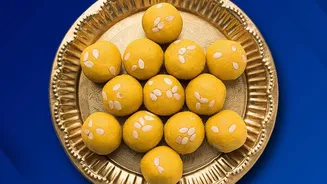
A variety of flours are needed for both the main feast and for those observing a 'vrat' (fast). Whole wheat flour (atta) is fundamental for making puris and the traditional Panjiri, a roasted flour sweet. For those fasting, special flours are used since grains are often avoided. Stock up on water chestnut flour (singhare ka atta), buckwheat flour (kuttu ka atta), and amaranth flour (rajgira ka atta). These are used to make fasting-friendly puris, pakoras, and flatbreads. Gram flour (besan) is also useful for making sweets like Besan Ladoo, while tapioca pearls (sabudana) are used for the popular fasting dish, Sabudana Khichdi.
Sweeteners and Nuts
Sweets are an indispensable part of any Indian festival. Ensure you have plenty of sugar, particularly powdered sugar or unrefined 'desi khand', for making Panjiri and other mithai. Jaggery is a healthier and traditional alternative used in many preparations like Mawa Kheer. A rich assortment of nuts and dry fruits is a must for adding texture and richness. Almonds, cashews, pistachios, and raisins are widely used in almost every sweet dish, from Panjiri to kheer. They are used both within the dish and as a garnish, signifying abundance and festivity.
Aromatic Spices and Flavorings
The distinctive, festive aroma of Janmashtami cooking comes from a select few spices. Green cardamom powder is essential for flavouring nearly every sweet, including kheer and peda. Saffron strands, soaked in a little warm milk, impart a beautiful colour and delicate fragrance to rice dishes and sweets. For Panjiri, especially the fasting version, coriander seed powder (dhaniya) is the star ingredient, providing a unique, earthy flavour. Other spices like dry ginger powder (sonth) and fennel (saunf) can also be used in some Panjiri variations. Don't forget desiccated or grated dry coconut, used in Panjiri and Makhana Paag.
Pantry Staples for Prasad and More
Beyond the specific sweet ingredients, a few other staples are crucial. Phool Makhana (fox nuts or lotus seeds) are a versatile fasting food. They are roasted and added to Panjiri, used to make creamy Makhana Kheer, or prepared as a sweet confection called Makhana Paag. Poha (flattened rice) is another key ingredient, primarily for a savoury dish called Gopalkala, which is a mix of poha, curd, cucumber, and coconut. For savoury fasting dishes, make sure to have Sendha Namak (rock salt), as regular table salt is usually avoided during vrat.