


The Invisible Ingredient
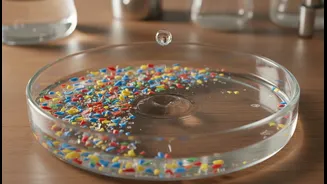
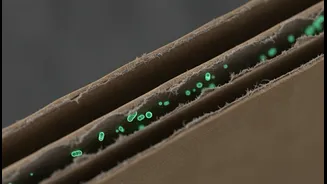
Microplastics are tiny plastic fragments, smaller than a grain of rice, that have found their way into our air, water, and food chain. They come from larger plastic items breaking down over time and are now virtually unavoidable. While the full, long-term
health effects on humans are still being studied, research has begun to raise concerns. These particles can carry chemicals known to be harmful, such as phthalates and BPA. The current scientific evidence does not yet prove that the levels found in food pose a direct risk, but many people are choosing to reduce their exposure as a precaution.
Your Kitchen’s Plastic Problem
One of the primary ways we ingest microplastics is through our food, and our kitchen habits play a significant role. Plastic food containers, wraps, and packaging are major culprits. Over time, and especially with repeated use and washing, these containers can degrade and shed particles into the food they hold. Old, scratched, or damaged containers are particularly problematic, releasing even more particles. This means the very containers we trust to keep our food safe might be contaminating it.
The Danger of Heat
The risk of contamination escalates dramatically with heat. Research shows that microwaving food in plastic containers can cause a massive release of micro- and nanoplastics. One study found that heating a container in a microwave for just three minutes could release millions of particles per square centimetre. Even containers labelled "microwave-safe" are not immune; the label simply means the container won't melt or warp, not that it won't leach particles or chemicals. The simple act of pouring hot dal into a plastic tiffin or reheating leftovers in a plastic box can significantly increase your microplastic intake.
Challenge: A Pantry Makeover
Reducing your exposure doesn't require a complete lifestyle overhaul. Think of it as a challenge with small, achievable goals. The first and most impactful step is to phase out plastic from your food storage rotation, especially for hot foods or liquids. Start by auditing your kitchen. Which plastic containers can be replaced? What are your go-to habits for packing lunch or storing leftovers? Identifying these patterns is the first step toward making meaningful changes.
Embrace Traditional Wisdom
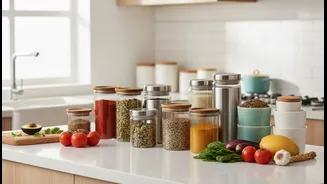
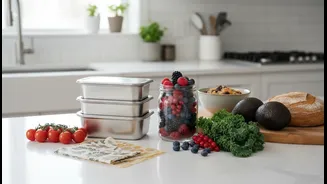
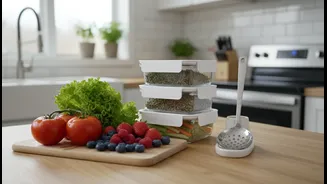
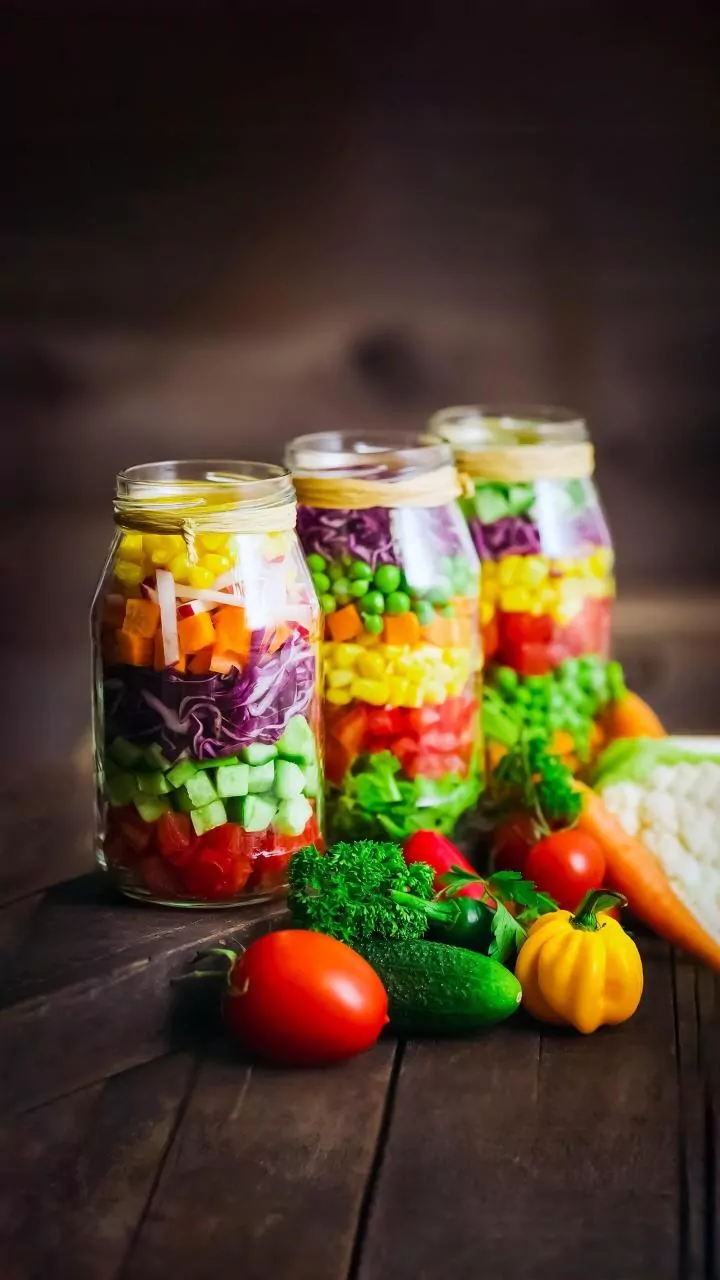
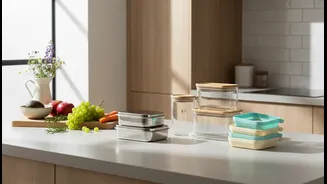
For inspiration, we can look to our own traditions. Long before plastic, Indian kitchens relied on materials that are now being recognized as the healthier choice. Stainless steel dabbas are a perfect example: they are durable, lightweight, easy to clean, and don't react with food, hot or cold. Glass jars are another excellent option for storing everything from dals and spices in the pantry to leftovers in the fridge. Earthen pots, or matkas, have been used for generations to keep water and dairy cool, a testament to sustainable, non-plastic solutions.
Simple Swaps for a Safer Kitchen
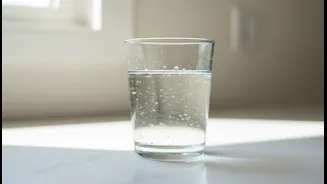
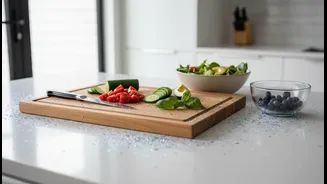
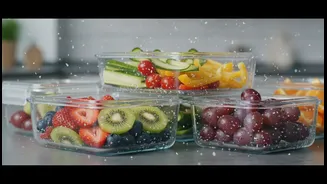
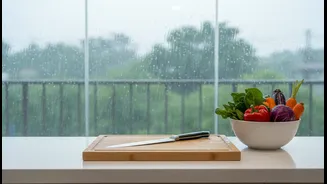
Ready to take the challenge? Here are a few simple swaps to get you started: 1. Reheat Responsibly: Never microwave food in plastic. Transfer it to a glass or ceramic dish first. To prevent splatters, use a paper towel or an inverted plate as a cover instead of plastic wrap. 2. Store Smarter: Invest in a set of glass containers with secure lids for leftovers. Use stainless steel boxes for packing lunches and snacks. They are better for your health and the environment. 3. Rethink Your Tools: Consider your cutting board. Plastic boards can shed fibres into your food as they get worn. A traditional wooden or bamboo cutting board is a great alternative. 4. Drink Differently: Opt for water from a filter stored in a glass jug or steel bottle instead of relying on single-use plastic bottles, which also shed microplastics.