




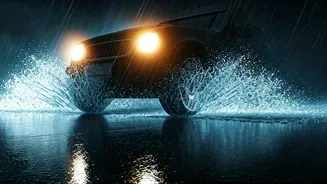


The Double Threat to Your Vision
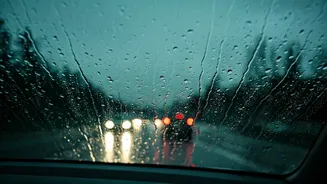
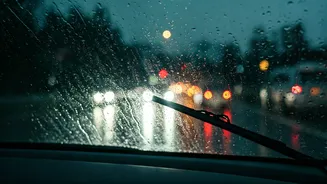
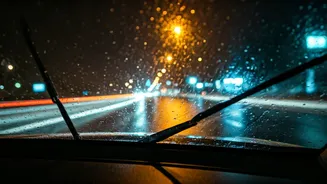
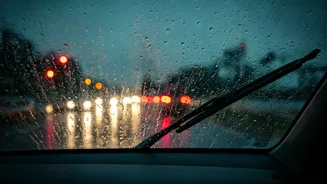
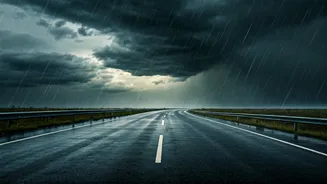
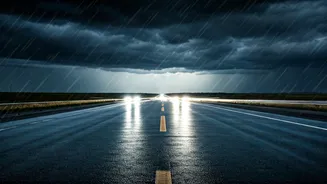
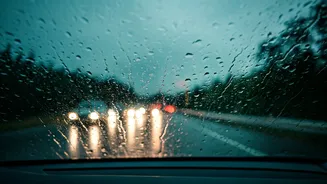
Driving at night already reduces your visual acuity. When rain is added, the danger multiplies. Raindrops on the windshield distort and scatter light, while wet roads turn into mirrors. This creates a phenomenon called 'specular reflection,' where light from
streetlights and oncoming headlights reflects directly into your eyes, causing significant glare that can make it difficult to see lane markings, pedestrians, or debris. The film of water can render the retroreflective properties of road markings almost useless, making the pavement appear darker and effectively invisible. Furthermore, heavy rain itself can absorb and scatter light from your headlamps, reducing their effective range and leaving you with less time to react to hazards. Your car's windows can also fog up due to humidity, further impairing your side and rear visibility.
The Hidden Danger of Hydroplaning
Hydroplaning, or aquaplaning, occurs when a layer of water builds up between your tyres and the road surface, causing a loss of traction and control. At night, it’s much harder to spot the standing water or large puddles that cause it. A vehicle can begin to hydroplane at speeds as low as 35 miles per hour (about 56 km/h) if the water is deep enough. When this happens, it can feel as if the car is floating, and steering becomes light and unresponsive. The natural instinct is to brake hard, but this is the worst thing to do as it can cause the car to skid or spin out of control. Worn tyres with insufficient tread depth are far more susceptible, as they can't channel water away effectively.
Before You Drive: A Pre-Monsoon Check
Preparation is your first line of defence. Before the monsoon hits hard, perform a few essential checks on your vehicle. First, inspect your tyres. Ensure they have adequate tread depth and are inflated to the correct pressure, as this is critical for grip on wet roads. Second, check your wiper blades. If they leave streaks or make noise, replace them. Old, hardened rubber won't clear your windshield effectively. Also, top up your windshield washer fluid. Third, confirm all your lights are working—headlights, taillights, brake lights, and indicators. Clean headlight lenses if they have become yellowed or foggy, as this significantly reduces light output, a critical factor for night driving.
On the Road: A Strategy for Safety
Once you're driving, adjust your habits for the conditions. The most important rule is to slow down; speed limits are for ideal conditions, not a downpour. Reducing your speed gives you more time to react and helps your tyres maintain contact with the road. Double your following distance to at least five seconds to account for increased stopping distances on slick surfaces. Avoid using cruise control, as it can hinder your ability to react if you start to hydroplane. Use your low-beam headlights to be visible to others without creating excessive glare. High beams will reflect off the raindrops and worsen visibility for everyone. If you do start to hydroplane, ease your foot off the accelerator and steer gently in the direction you want to go until you feel the tyres regain traction. Do not slam on the brakes.