







Ever notice how the soundtrack of your city changes with the seasons? One moment it’s quiet, and the next, your morning is filled with a chorus of bird calls. This isn't your imagination; it's a deeply ingrained biological rhythm playing out.
The Spring Awakening
The most
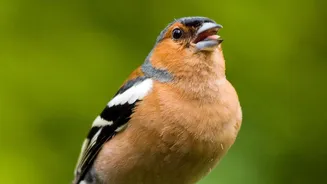
dramatic burst of birdsong happens in spring, and it’s all about reproduction. As days get longer, the increase in light triggers hormonal changes in birds that kickstart their breeding instincts. For male birds, a powerful song serves two primary purposes: to attract a female and to warn rival males to stay away. Think of it as a broadcast to the neighbourhood, announcing, 'I am here, I am healthy, and this is my territory'. Each species has its own unique song, allowing birds to find the right match. The dawn chorus, that symphony of chirps just before sunrise, is particularly intense because it’s a time when birds can communicate without the distraction of foraging for food. In Indian cities, the loud, ascending calls of the Asian Koel become a familiar sound during its breeding season, a classic sign that spring is in full swing.
Autumn's Quieter Echo
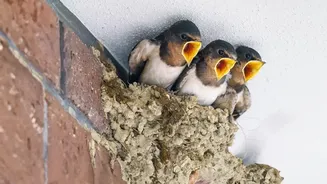
While spring gets all the attention, you might also notice a smaller surge in bird calls during autumn. This is a more complex phenomenon. It’s not typically about attracting a mate for immediate breeding. For many resident birds that don't migrate, autumn singing is about establishing or re-affirming their winter feeding territories. With a leaner season ahead, securing a reliable food source is critical. Another reason is practice. You might be hearing juvenile birds, hatched earlier in the year, rehearsing their songs for the first time. These practice sessions can sound a bit 'substandard' or fragmented compared to the full-throated songs of spring, but they are essential for learning the complex vocalisations needed to survive and reproduce the following year.
More Than Just a Song
Communication isn't purely vocal. Birds also use a variety of physical displays to mark their territory and intimidate rivals. In the competitive spring season, you might see birds like the Red-vented Bulbul becoming more aggressive, chasing others away from prime nesting spots or food sources. These territorial displays can include puffing up their feathers to appear larger, posturing with open beaks, or engaging in aerial chases. Some birds may even attack their own reflections in windows, mistaking them for intruders. These visual cues are just as important as song in the complex social lives of urban birds, helping to establish dominance and maintain order without resorting to constant physical fights.
The City's Influence
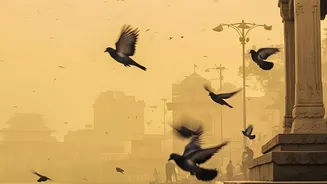
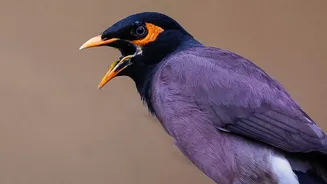
Urban environments add a unique twist to these ancient behaviours. The constant presence of artificial light from streetlamps and buildings can disrupt a bird's natural clock. Research shows that this light pollution can trick birds into singing earlier in the morning or later into the evening, effectively extending their 'day'. Some studies found birds in the brightest areas sing for up to an hour longer each day. Noise pollution also plays a role, forcing some species to sing at a higher pitch or volume to be heard over the drone of traffic. Over time, these urban pressures favour species that can adapt, which is why birds like House Crows, Common Mynas, and Rose-ringed Parakeets are so successful in our cities—they are flexible enough to navigate the challenges of the concrete jungle.