






The Big Protein Question
The fitness and wellness industry has successfully placed protein at the center of every health conversation. From shakes and bars to fortified foods, the market is saturated with products that promise to help you meet your daily protein goals. This has left
many Indians wondering if their regular home-cooked meals are enough, or if they need to invest in supplements to stay healthy, build muscle, or lose weight. The answer, for the vast majority of people, is simpler and cheaper than the marketing campaigns suggest.
What India's Dietary Guidelines Recommend
The Indian Council of Medical Research (ICMR) and the National Institute of Nutrition (NIN) recently released updated dietary guidelines for Indians. A key highlight was the advice against the regular use of protein supplements. According to the ICMR, a healthy adult needs about 0.83 grams of protein per kilogram of body weight per day. For a person weighing 60 kilograms, this comes out to roughly 50 grams of protein daily—a target that can be easily met through a balanced diet. The guidelines explicitly state that prolonged intake of high amounts of protein, especially through powders, is associated with potential health risks like bone mineral loss and kidney damage.
Can You Get Enough Protein From Food?
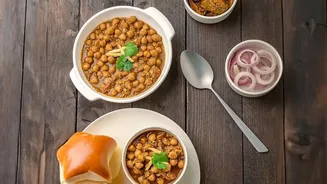
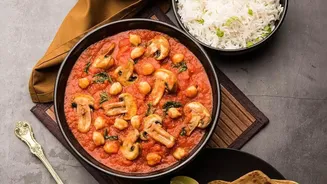
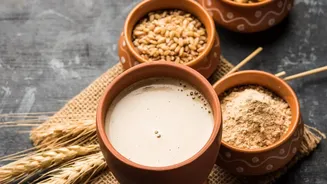
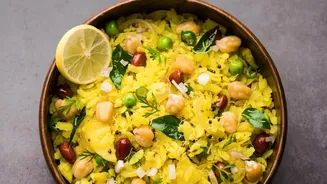
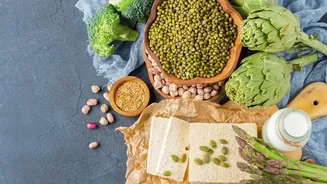
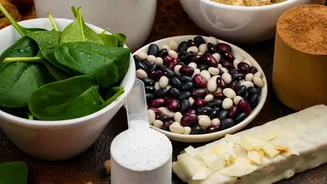
Absolutely. A well-balanced Indian diet, even a vegetarian one, can comfortably provide the required amount of protein. The key is variety. Combining cereals and pulses, such as in a meal of dal and rice or roti, improves the overall quality of the protein consumed. For example, a single cup of cooked dal can provide around 9 grams of protein, while 100 grams of paneer offers about 18 grams. Other excellent sources include soy chunks (which contain a massive 52g of protein per 100g uncooked), chickpeas (chole), kidney beans (rajma), milk, curd, and eggs. For non-vegetarians, lean meats, fish, and poultry are highly effective protein sources. The ICMR notes that for most people, a combination of these everyday foods is sufficient to meet daily needs without any supplements.
Who Might Actually Need Supplements?
While the guidelines discourage routine use, they acknowledge that supplements can be a useful tool in specific situations. Elite athletes or individuals engaged in intense and prolonged resistance training may have higher protein needs, often in the range of 1.2 to 1.6 grams per kilogram of body weight. Even for this group, the ICMR points out that protein intake beyond 1.6 g/kg per day does not contribute significantly to further muscle gain. Others who might benefit under medical supervision include those with severe malnutrition or specific health conditions that impair nutrient absorption. For most gym-goers and moderately active people, however, a food-first approach is highly recommended.
The Hidden Downsides of Powders
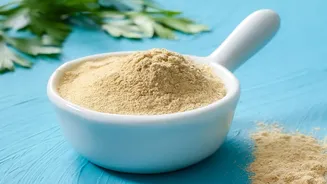
One of the main concerns raised by the ICMR is what else comes with the protein in these supplements. Many protein powders contain added sugars, artificial sweeteners, flavours, and other additives that are not ideal for regular consumption. Furthermore, some studies have flagged that excessive intake of Branched-Chain Amino Acids (BCAAs), which are abundant in popular whey proteins, may be linked to an increased risk of chronic non-communicable diseases. Beyond potential health risks, relying on supplements can create a nutritional imbalance, as whole foods provide a complex package of fibre, vitamins, and minerals that powders lack.