



The Allure of a Green Desert
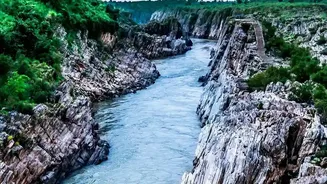
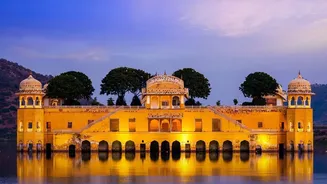
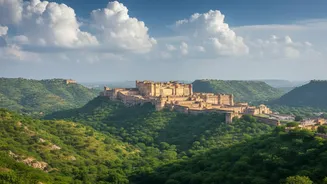
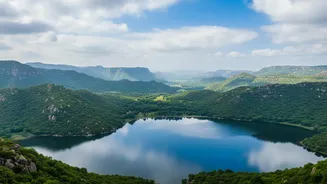
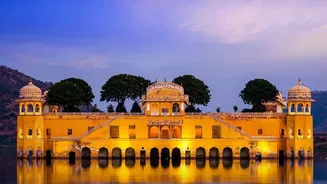
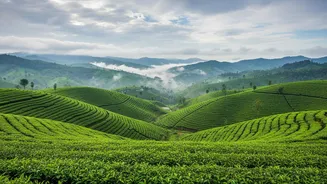
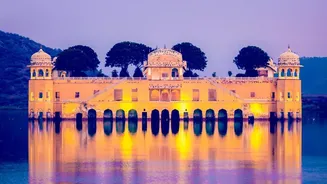
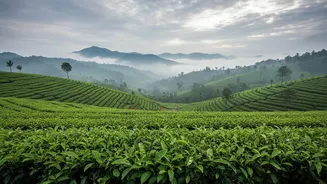
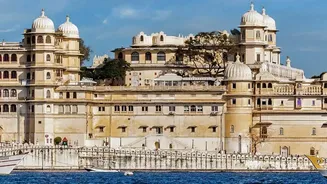
The secret is out: Rajasthan in the monsoon is a spectacle. The arid Aravalli hills turn a surprising, vibrant green, and cities like Udaipur, the 'City of Lakes', see their water bodies swell to picturesque fullness. This transformation is a powerful
magnet for tourists seeking a different perspective of the royal state. Travel experts note a clear trend of travellers planning trips specifically around the rains. The appeal is multi-faceted. Besides the stunning 'green tourism' experience, the monsoon is an off-peak season, meaning significant savings. Hotel rates can drop by 30-60% compared to the peak winter months, and airfares are often cheaper. This combination of unique natural beauty and budget-friendly travel has spurred a notable increase in visitor numbers, giving a welcome boost to the hospitality industry and emerging tourist destinations.
Reality Check: The Challenges of a Downpour
While the romance of a rainy Rajasthan is undeniable, the reality on the ground can be complicated. The state's infrastructure, largely built for an arid climate, is being tested by this new tourism trend and increasingly intense rainfall. Recent monsoon seasons have brought heavy, disruptive rain, leading to waterlogged markets in cities like Jaipur and Dholpur. In late July 2026, severe rainfall in the Udaipur region caused the Wakal River to swell, damaging roads and cutting off connectivity for several villages. In another incident, a house collapsed in Sirohi district due to heavy rains, resulting in a fatality. These events highlight a critical risk: flash floods and impassable roads, particularly in rural areas, can disrupt travel plans and pose safety concerns. Furthermore, popular tourist activities like wildlife safaris are often suspended during the peak monsoon months.
Planning for the Pour: A Question of Readiness
The growing popularity of monsoon getaways raises a crucial question: is Rajasthan truly prepared for this shift? While improved road and air connectivity has made travel easier, the core infrastructure's ability to handle both water and tourists is under scrutiny. The tourism industry, which contributes significantly to the state's economy, has traditionally operated on a seasonal model peaking in winter. This new surge requires a shift in mindset and investment towards all-weather readiness. As of July 2026, a high-level review noted that many government-announced tourism projects were still works in progress, highlighting a potential gap between planning and execution. The challenge is to balance the economic opportunity of year-round tourism with the need for robust disaster management, sustainable development, and ensuring tourist safety without diluting the authentic experience.
Your Monsoon Travel Blueprint
For those still captivated by the idea of a green Rajasthan, a successful trip hinges on smart planning. The first rule is flexibility. Monsoon showers can be intense but are often short, so be prepared to adjust your itinerary. Prioritise destinations in the Aravalli belt like Udaipur, Mount Abu, Bundi, and Kumbhalgarh, which showcase the best of the monsoon transformation. Packing is key: include lightweight rain gear, quick-dry clothing, and sturdy, water-resistant footwear with good grip. Always carry mosquito repellent, as the lush environment brings more insects. Before travelling between cities or to remote areas, check local weather forecasts and road conditions diligently. Booking accommodations with flexible cancellation policies is also a wise move, providing a safety net against unforeseen weather disruptions.