

What Exactly Are Nigella Seeds?
If you've ever enjoyed a piece of fresh naan at an Indian restaurant, you've likely encountered nigella seeds. Known as 'kalonji' in India, these small, matte black, triangular seeds are a staple in many kitchens. Though often mislabelled as 'black onion
seeds', they are not related to the onion family at all. Their unique flavour is where the confusion arises: they have a pungent, slightly bitter taste with notes of onion, black pepper, and even oregano. This complex, savoury profile makes them a fantastic addition to all sorts of dishes, from tempering dals and flavouring pickles to, most famously, topping breads.
Why They Shine in Bread
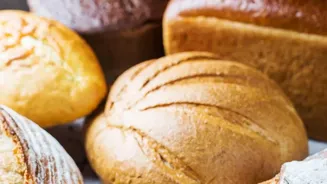
Nigella seeds are a natural partner for bread for several reasons. Their robust flavour doesn't get lost during baking, instead infusing the dough with a warm, aromatic quality. Whether kneaded into the dough or sprinkled on top, they provide a delightful textural contrast to a soft crumb. Toasting the seeds slightly before use, either in a dry pan or by the heat of the oven, enhances their nutty and peppery notes. They pair beautifully with the simple, wheaty flavour of a plain loaf but are also bold enough to stand up to richer doughs. From simple yeasted loaves and pitta breads to quick soda breads, these seeds add a professional touch with minimal effort.
Recipe 1: Simple Yeasted Loaf with Nigella Seeds
This recipe creates a classic, soft white loaf perfect for sandwiches or toast. The nigella seeds are mixed directly into the dough, ensuring their flavour is present in every bite.Ingredients:500g strong white bread flour1 sachet (7g) of fast-action dried yeast1.5 tsp salt2 tbsp nigella seeds (kalonji)1 tbsp olive oil320ml lukewarm waterMethod:1. In a large bowl, mix the flour, yeast, and salt. Add the nigella seeds and combine.2. Make a well in the centre and pour in the olive oil and lukewarm water. Mix until a shaggy dough forms.3. Tip the dough onto a lightly floured surface and knead for 8-10 minutes, until smooth and elastic.4. Place the dough in a lightly oiled bowl, cover, and let it rise in a warm place for about one hour, or until doubled in size.5. Gently punch down the dough, shape it into a loaf, and place it in a greased loaf tin. Cover and let it prove for another 30-45 minutes.6. Preheat your oven to 220°C (200°C Fan). Bake the loaf for 15 minutes, then reduce the temperature to 190°C (170°C Fan) and bake for another 20-25 minutes, or until the loaf is golden and sounds hollow when tapped on the bottom. Cool completely on a wire rack before slicing.
Recipe 2: Quick No-Yeast Nigella Seed Flatbreads
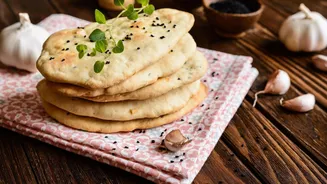
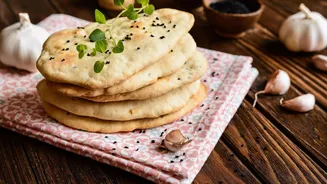
When you need bread in a hurry, this no-yeast recipe is a lifesaver. Based on a simple yogurt dough, these flatbreads are soft, chewy, and ready in under 20 minutes. They are perfect for dipping into curries or serving with grilled meats.Ingredients:250g self-raising flour (or plain flour with 2 tsp baking powder)1/2 tsp salt150g plain Greek yogurt2-3 tbsp milk or water, as needed1 tbsp nigella seedsMelted butter for brushing (optional)Method:1. In a bowl, whisk together the flour and salt. Stir in the yogurt until the mixture starts coming together.2. Add a tablespoon of milk or water at a time until a soft, slightly sticky dough forms. Add the nigella seeds and knead gently on a floured surface for just a minute until combined. Do not overwork the dough.3. Divide the dough into 6 equal portions. Roll each portion out thinly into an oval or round shape.4. Heat a dry, heavy-based frying pan or griddle over a medium-high heat. Cook each flatbread for 1-2 minutes per side, until puffed up and speckled with golden-brown spots.5. As each flatbread is cooked, wrap it in a clean tea towel to keep it warm and soft. If desired, brush the warm flatbreads with a little melted butter before serving.