



The constant noise, relentless pace, and hazardous air of city life take a toll on our mental and physical health. A new trend in travel offers a solution: restorative holidays designed not for sightseeing, but for genuine recovery.
The Hidden Costs of City Living
Living in a bustling
Indian metropolis comes with undeniable energy and opportunity, but it also carries a significant health burden. Daily exposure to traffic noise, light pollution, and, most critically, high levels of air pollution can lead to a state of chronic stress. Studies have increasingly shown a link between urban pollution and adverse mental health outcomes, including heightened anxiety, depression, and cognitive fatigue. The constant sensory overload keeps our nervous systems on high alert, making it difficult to truly rest and recharge. This has led to a growing phenomenon of 'urban burnout', where the very environment we live in drains our vitality, leaving us feeling exhausted, irritable, and disconnected.
What is a Recovery Holiday?
Unlike a conventional vacation packed with activities and sightseeing, a restorative urban recovery holiday is built around the principle of subtraction. It’s about removing the stressors of city life to allow your mind and body to heal. The focus shifts from doing more to simply 'being'. These journeys are characterised by immersion in nature, clean air, quiet surroundings, and often, a digital detox. The goal isn't to collect experiences, but to achieve a state of deep relaxation and rejuvenation. This trend reflects a broader shift in traveller mindset, where wellness is no longer an add-on but the primary purpose of a trip. A significant percentage of Indian travellers now actively seek trips that help them recharge mentally and physically.
The Science of Nature's Cure
The healing power of nature is more than just a feeling; it's backed by science. The concept of 'biophilia' suggests humans have an innate tendency to connect with nature. Spending time in natural environments has been shown to lower levels of the stress hormone cortisol, reduce blood pressure, and calm the nervous system. This practice, known in Japan as 'Shinrin-yoku' or 'forest bathing', involves mindfully immersing oneself in a forest atmosphere. Research indicates that even short periods in nature can significantly improve mood, enhance focus, and boost immune function. These natural settings provide a restorative environment that counters the mental fatigue caused by urban living, a process known as Attention Restoration Theory.
Finding Your Oasis in India
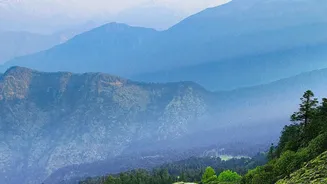
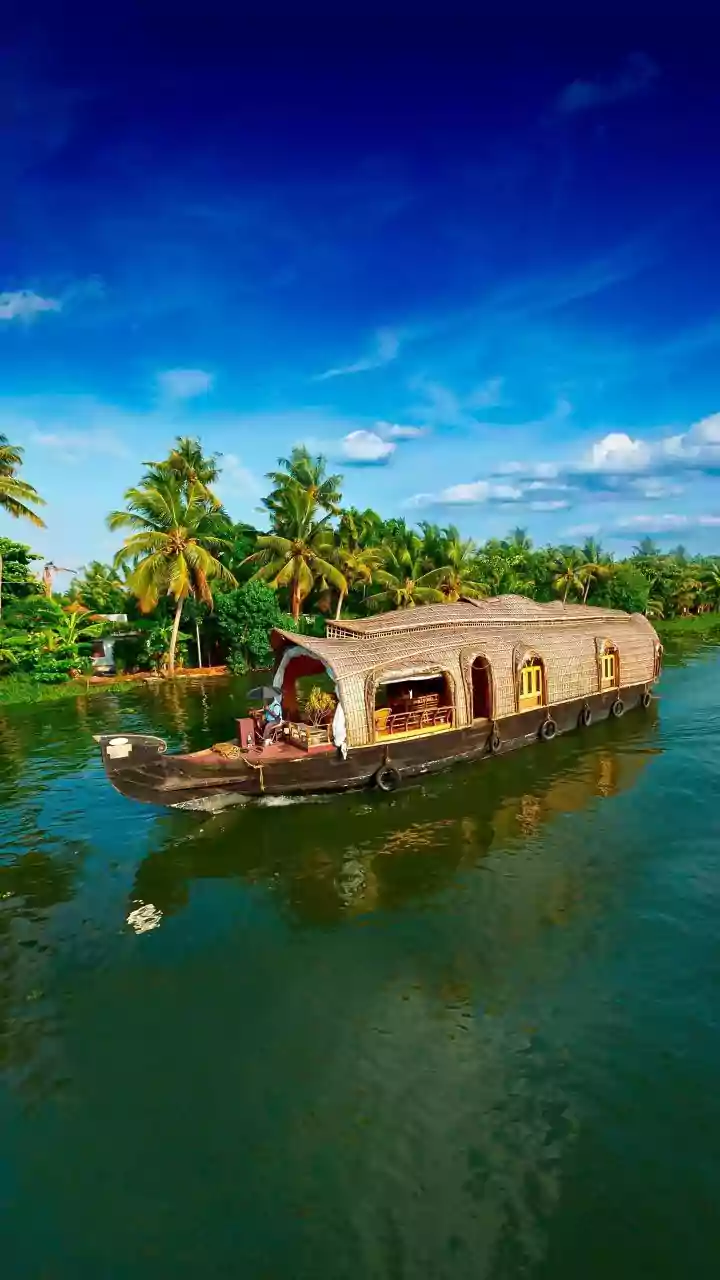
India offers a diverse tapestry of landscapes perfect for a restorative escape. The key is to choose destinations that prioritise peace and nature over crowds and commerce. This approach is often called 'slow travel', where the emphasis is on mindful immersion rather than rushing through a checklist. Consider the tranquil backwaters of Kerala, where you can drift on a houseboat and watch village life unfold at a gentle pace. The Himalayan foothills, in places like Rishikesh or Dharamshala, offer spiritual solace, yoga retreats, and crisp mountain air. For a more rustic experience, the serene valleys of Himachal Pradesh, such as Tirthan or Spiti, provide a profound sense of isolation and connection to the landscape. Even closer to major cities, dedicated wellness resorts nestled in the Sahyadris near Mumbai and Pune offer curated detox and relaxation programs in lush, green surroundings. Coastal destinations like Gokarna in Karnataka or quiet stretches of South Goa offer the calming sounds of the sea away from the main tourist hubs.
How to Make Your Trip Truly Restorative
Simply booking a trip to a quiet place isn't enough; the right mindset is crucial. To truly benefit from a recovery holiday, set clear intentions. Plan for a digital detox by informing friends and family that you'll be offline and then sticking to it. Instead of a packed itinerary, leave your days unstructured. Allow for spontaneity—read a book, take a long walk without a destination, or simply sit and observe your surroundings. Engage in mindful activities like yoga, meditation, or journaling to process your thoughts and reconnect with yourself. Opt for slow, immersive experiences like a local cooking class, a visit to a village market, or bird watching. The goal is to slow your internal rhythm to match the unhurried pace of the natural world around you.